Thursday, March 20, 2025

Easing PMS Naturally: How Magnesium Can Help Relieve Your Symptoms

Female Hormonal Balance

Premenstrual syndrome (PMS) affects millions of women worldwide, causing a range of physical and emotional symptoms that can disrupt daily life. From bloating and cramps to mood swings and fatigue, PMS can feel overwhelming. While there are many treatments available, one natural solution stands out: magnesium. This essential mineral has been shown to alleviate many PMS symptoms, making it a powerful ally for women seeking relief. Let’s explore how magnesium can help you manage PMS and improve your quality of life.

*This page contains affiliate links. If you click and purchase, I may earn a commission at no extra cost to you.*

What is Magnesium and Why is it Important for PMS Relief?

Magnesium is a vital mineral involved in over 300 biochemical reactions in the body, including muscle relaxation, nerve signaling, and hormone regulation. It’s particularly important for women experiencing PMS, as it helps balance hormones, reduce inflammation, and ease muscle tension. Studies suggest that many women with PMS have lower magnesium levels, which may contribute to the severity of their symptoms.
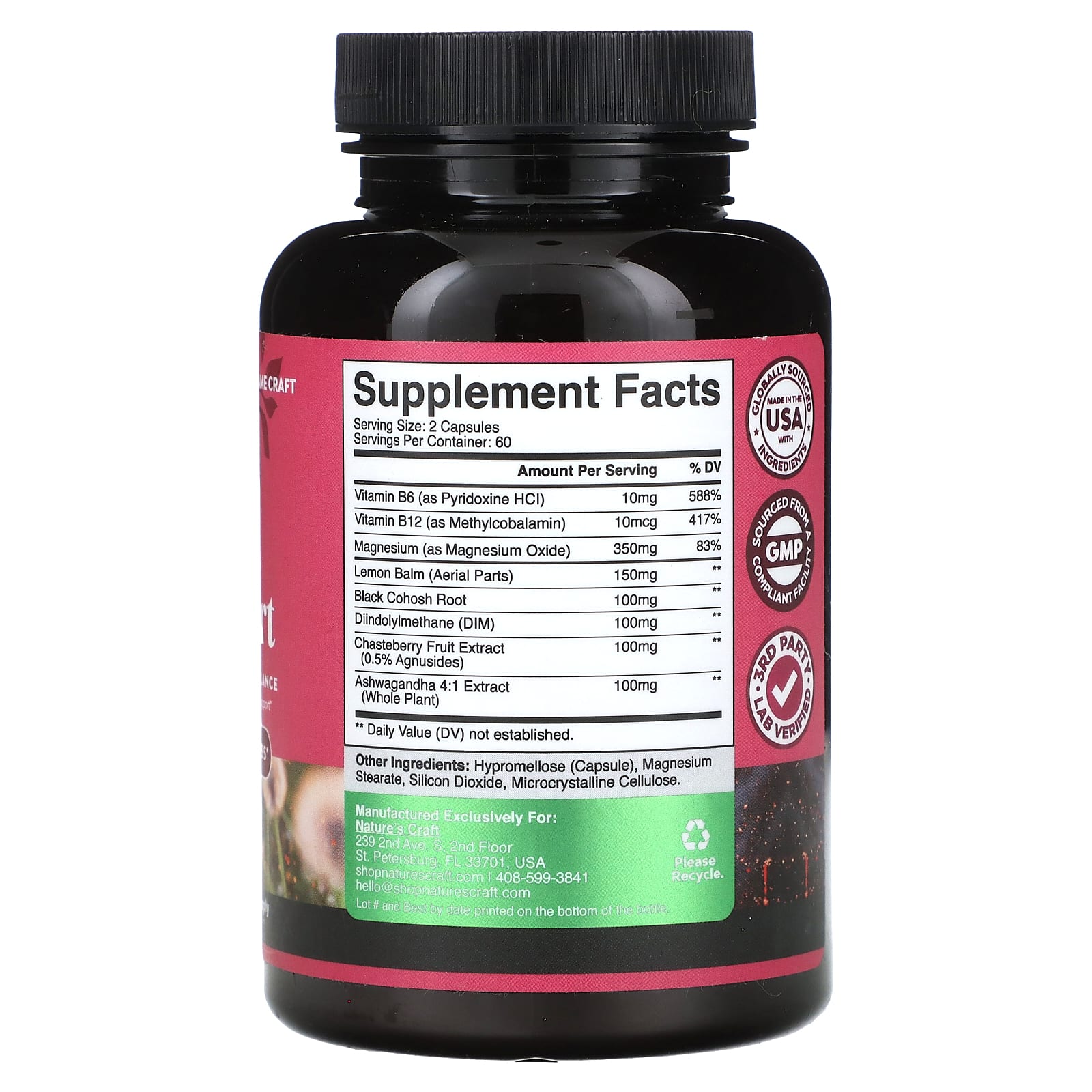
PMS supplements for women including Vitamin B6 and Vitex berry

How Magnesium Helps with PMS Symptoms

Here’s a closer look at the science-backed ways magnesium can help alleviate PMS symptoms:

1. Reduces Bloating and Water Retention

Bloating and water retention are common PMS complaints. Magnesium helps regulate fluid balance in the body by acting as a natural diuretic, reducing bloating and discomfort. It also helps relax the smooth muscles of the digestive tract, easing abdominal pressure.

2. Eases Menstrual Cramps

Menstrual cramps are caused by the contraction of the uterine muscles. Magnesium acts as a natural muscle relaxant, helping to ease these contractions and reduce pain. Studies have shown that magnesium supplementation can significantly reduce the severity of menstrual cramps.

3. Improves Mood and Reduces Irritability

Mood swings, irritability, and anxiety are hallmark symptoms of PMS. Magnesium helps regulate neurotransmitters like serotonin and GABA, which play a key role in mood regulation. By supporting these neurotransmitters, magnesium can help stabilize mood and reduce emotional symptoms.

4. Alleviates Headaches and Migraines

Many women experience headaches or migraines as part of their PMS. Magnesium helps relax blood vessels and reduce inflammation, which can prevent or alleviate these headaches. Research has shown that magnesium supplementation can reduce the frequency and severity of menstrual migraines.

5. Reduces Fatigue and Boosts Energy

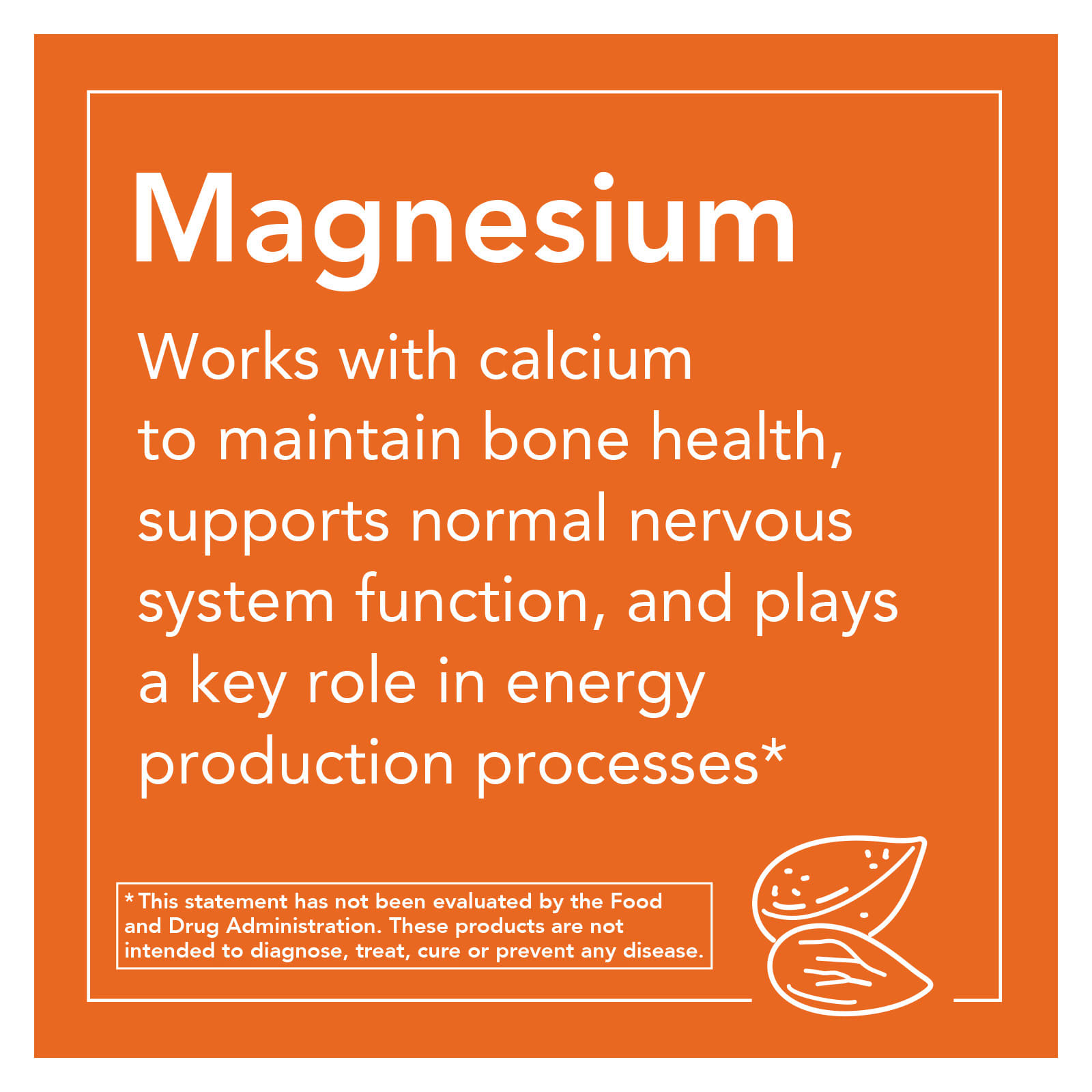
Fatigue is a common PMS symptom that can leave you feeling drained and unmotivated. Magnesium plays a key role in energy production, helping your body convert food into ATP, the molecule that fuels your cells. By supporting energy metabolism, magnesium can help combat fatigue and keep you feeling energized.

6. Supports Hormonal Balance

PMS is often linked to hormonal fluctuations, particularly changes in estrogen and progesterone levels. Magnesium helps regulate these hormones and supports the liver in metabolizing excess estrogen, which can reduce the severity of PMS symptoms.

Signs You Might Be Deficient in Magnesium

If you’re struggling with severe PMS symptoms, it’s worth considering whether you might be deficient in magnesium. Common signs of magnesium deficiency include:

  • Frequent muscle cramps or spasms
  • Fatigue and low energy
  • Irritability or mood swings
  • Headaches or migraines
  • Difficulty sleeping

How to Incorporate Magnesium for PMS Relief

There are several ways to increase your magnesium intake to support PMS relief:

  • Diet: Include magnesium-rich foods like leafy greens (spinach, kale), nuts and seeds (almonds, pumpkin seeds), whole grains (quinoa, brown rice), and legumes (black beans, chickpeas).
  • Supplements: Magnesium citrate, glycinate, and malate are popular forms that are particularly effective for PMS relief.
  • Topical Applications: Magnesium oil or Epsom salt baths can help you absorb magnesium through the skin while promoting relaxation.

What the Research Says

Several studies have highlighted the connection between magnesium and PMS relief:

  • A 2010 study published in Journal of Women’s Health found that magnesium supplementation significantly reduced PMS symptoms, including bloating, cramps, and mood swings.
  • Research in Obstetrics and Gynecology showed that magnesium, when combined with vitamin B6, was particularly effective in alleviating emotional PMS symptoms like irritability and anxiety.

Conclusion

If you’re struggling with the physical and emotional symptoms of PMS, magnesium could be the natural solution you’ve been searching for. From reducing bloating and cramps to improving mood and energy levels, magnesium plays a multifaceted role in alleviating PMS symptoms. By addressing potential deficiencies and incorporating magnesium into your routine, you can take a significant step toward better menstrual health and overall well-being.

References:

  1. Facchinetti, F., Borella, P., Sances, G., Fioroni, L., Nappi, R. E., & Genazzani, A. R. (1991). Oral magnesium successfully relieves premenstrual mood changes. Obstetrics and Gynecology, 78(2), 177-181. https://pubmed.ncbi.nlm.nih.gov/2067759/
  2. Walker, A. F., De Souza, M. C., Vickers, M. F., Abeyasekera, S., Collins, M. L., & Trinca, L. A. (1998). Magnesium supplementation alleviates premenstrual symptoms of fluid retention. Journal of Women’s Health, 7(9), 1157-1165. https://doi.org/10.1089/jwh.1998.7.1157

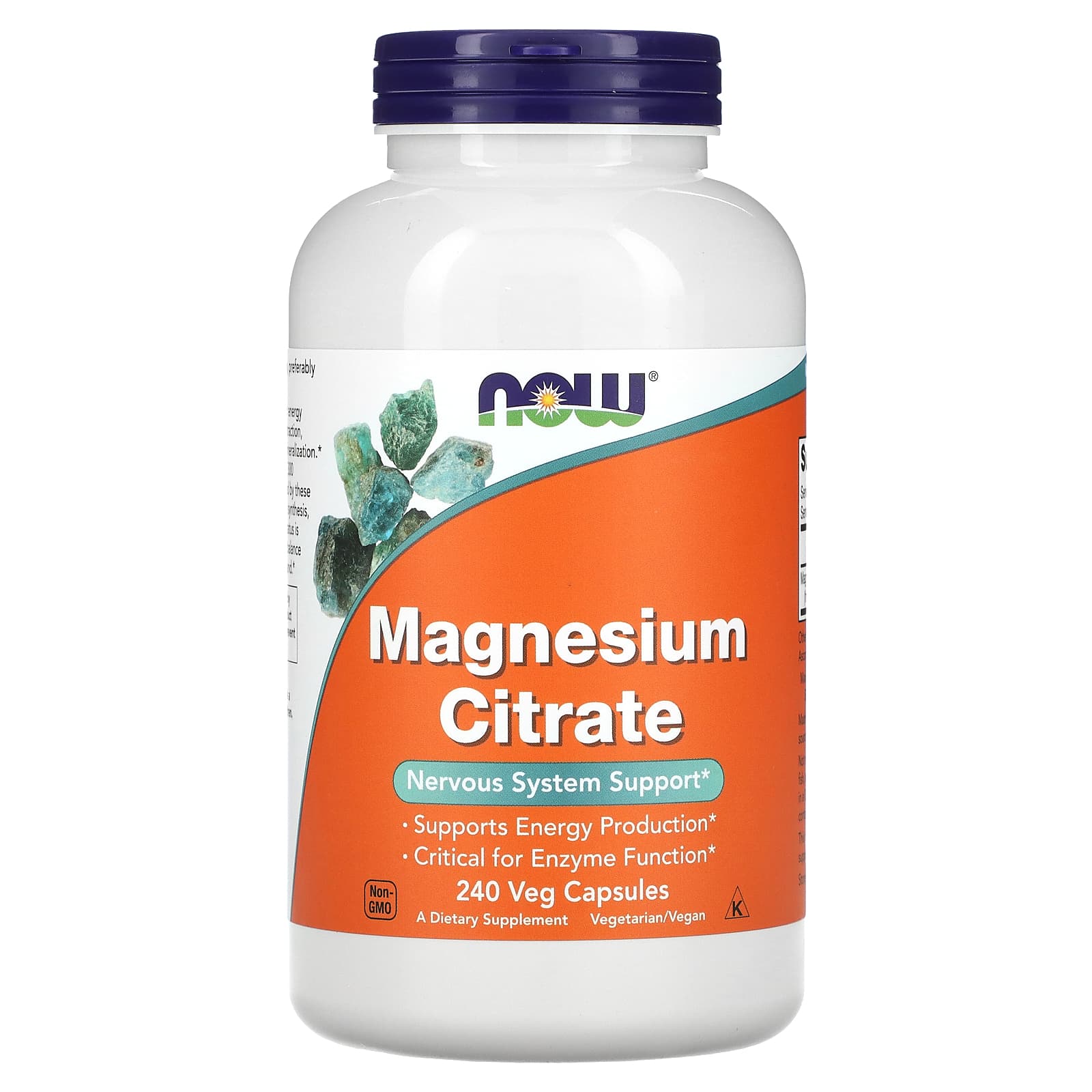
Feeling Exhausted? How Magnesium Can Help Combat Fatigue

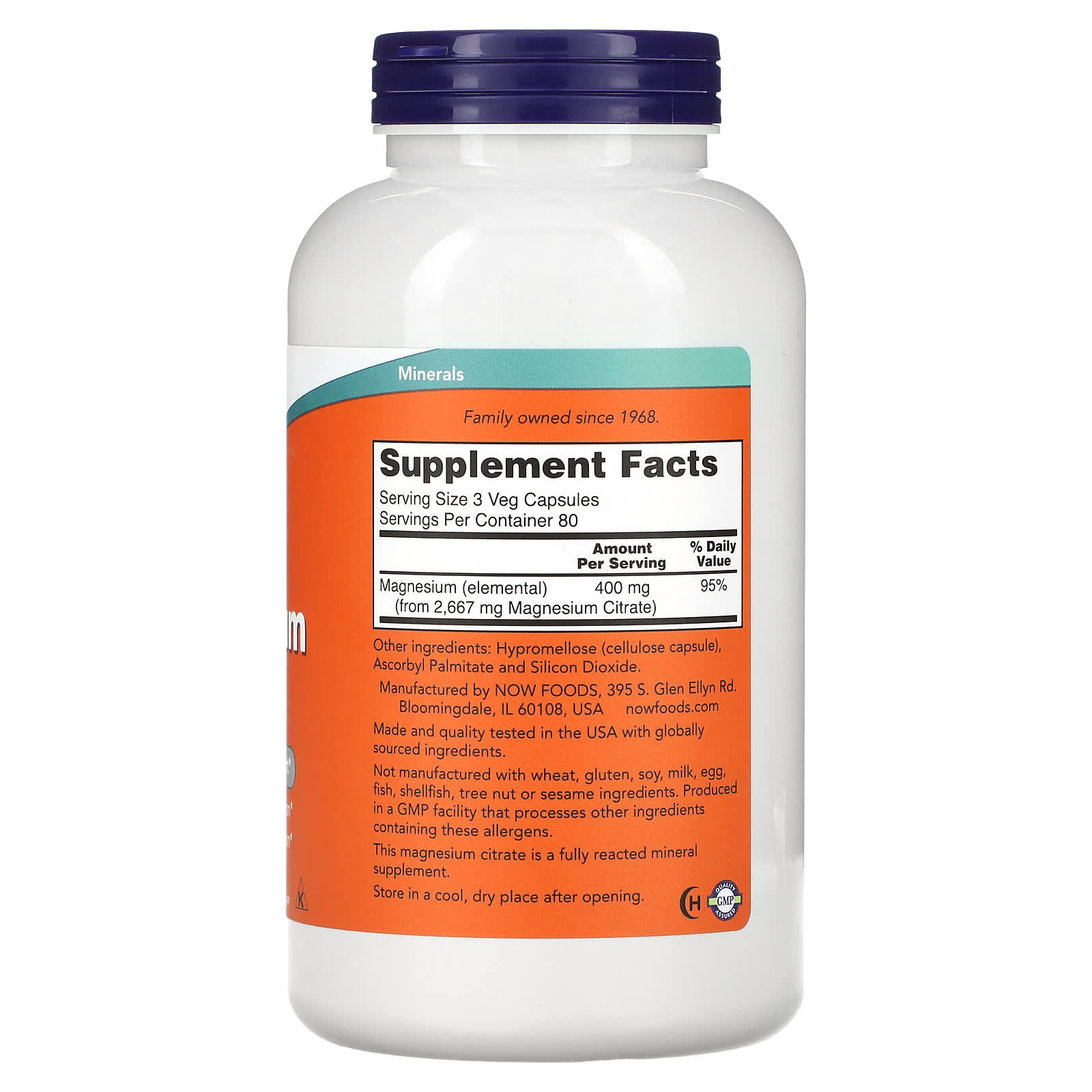
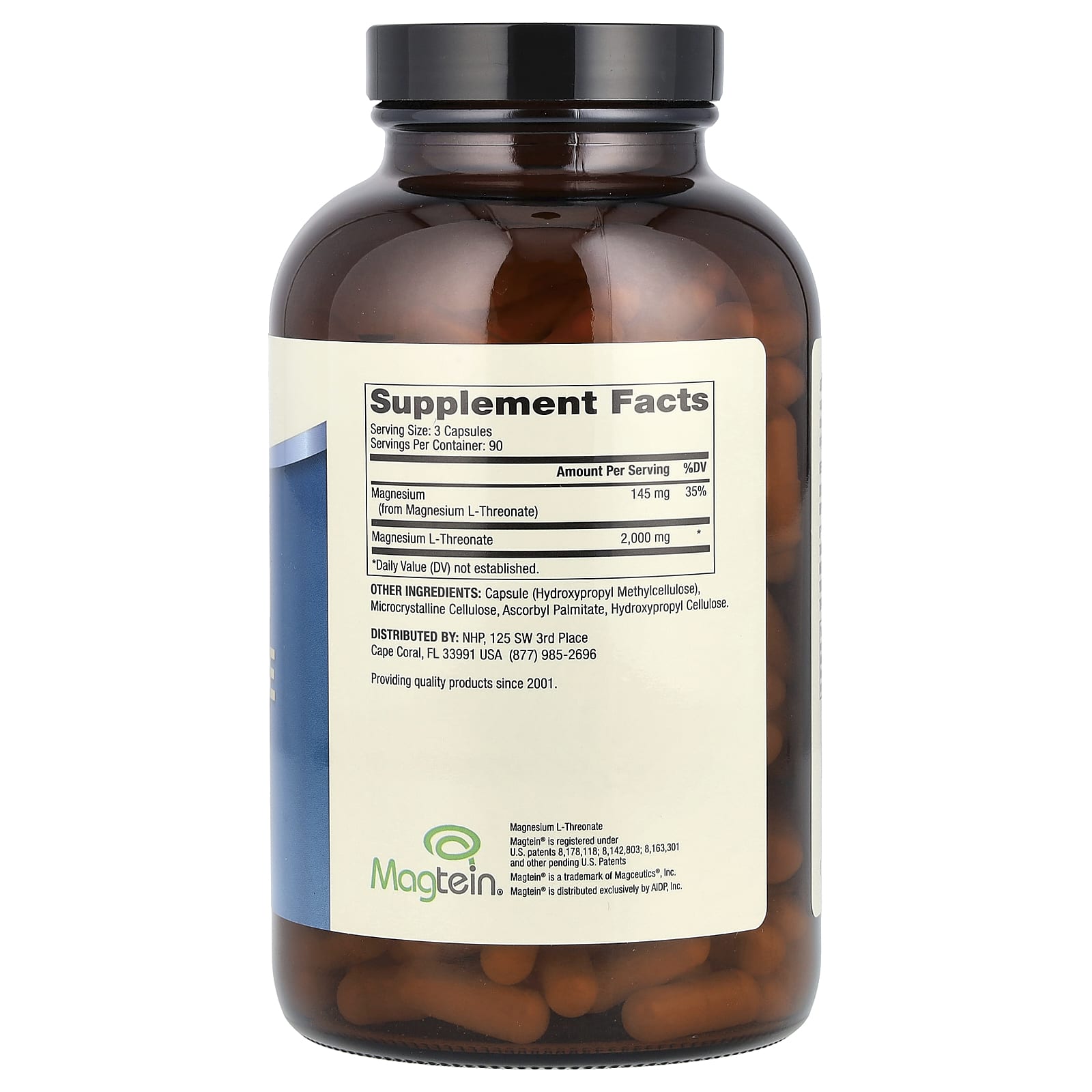
400 mg, 240 Veg Capsules

Fatigue is a common complaint that can stem from a variety of causes, including stress, poor sleep, and nutritional deficiencies. If you’re constantly feeling tired, even after a full night’s rest, the culprit might be a lack of magnesium. This essential mineral plays a critical role in energy production, muscle function, and overall vitality. Let’s explore how magnesium can help you fight fatigue and reclaim your energy.

What is Magnesium and Why is it Important for Energy?

Magnesium is a vital mineral involved in over 300 biochemical reactions in the body, including those that produce energy. It’s essential for converting food into ATP (adenosine triphosphate), the molecule that fuels your cells. Magnesium also supports muscle and nerve function, helps regulate blood sugar levels, and plays a role in stress management. Despite its importance, studies suggest that nearly 50% of Americans don’t get enough magnesium in their diets, which can lead to chronic fatigue and low energy levels.

*This page contains affiliate links. If you click and purchase, I may earn a commission at no extra cost to you.*

How Magnesium Helps Combat Fatigue

Here’s a closer look at the science-backed ways magnesium can help you overcome fatigue:

NOW Foods, Magnesium Citrate

1. Boosts Energy Production

Magnesium is a key player in the production of ATP, the primary source of energy for your cells. It helps activate enzymes that convert carbohydrates, fats, and proteins into ATP. Without adequate magnesium, your body struggles to produce energy efficiently, leaving you feeling tired and sluggish.

2. Regulates Blood Sugar Levels

Fluctuations in blood sugar levels can lead to energy crashes and fatigue. Magnesium helps regulate insulin, the hormone responsible for glucose uptake, ensuring that your cells have a steady supply of energy. Studies have shown that magnesium supplementation can improve blood sugar control and reduce fatigue in individuals with insulin resistance or type 2 diabetes.

3. Supports Muscle Function

Fatigue isn’t just mental—it can also be physical. Magnesium helps relax muscles and prevent cramps, spasms, and soreness, which can drain your energy. By supporting muscle function, magnesium can help you feel more energized and less fatigued after physical activity.

4. Improves Sleep Quality

Poor sleep is a major contributor to fatigue. Magnesium helps regulate melatonin, the hormone responsible for sleep, and relaxes your muscles, making it easier to fall asleep and stay asleep. Better sleep means more energy during the day.

5. Reduces Stress and Anxiety

Chronic stress can deplete your energy reserves and leave you feeling exhausted. Magnesium helps regulate cortisol, the body’s primary stress hormone, and supports the production of GABA, a neurotransmitter that promotes relaxation. By reducing stress and anxiety, magnesium can help you feel more energized and focused.

Magnesium is a required cofactor for an estimated 300 enzymes

Signs You Might Be Deficient in Magnesium

If you’re struggling with fatigue, it’s worth considering whether you might be deficient in magnesium. Common signs of magnesium deficiency include:

  • Persistent tiredness or low energy
  • Muscle weakness or cramps
  • Difficulty sleeping
  • Irritability or mood swings
  • Frequent headaches or migraines

How to Incorporate Magnesium for Better Energy

There are several ways to increase your magnesium intake to combat fatigue:

  • Diet: Include magnesium-rich foods like leafy greens (spinach, kale), nuts and seeds (almonds, pumpkin seeds), whole grains (quinoa, brown rice), and legumes (black beans, chickpeas).
  • Supplements: Magnesium citrate, glycinate, and malate are popular forms that are particularly effective for boosting energy.
  • Topical Applications: Magnesium oil or Epsom salt baths can help you absorb magnesium through the skin while promoting relaxation.

What the Research Says

Several studies have highlighted the connection between magnesium and energy levels:

  • A 2012 study published in Nutrients found that magnesium supplementation improved energy metabolism and reduced fatigue in participants with low magnesium levels.
  • Research in the Journal of the American College of Nutrition showed that magnesium supplementation improved physical performance and reduced fatigue in athletes.

Conclusion

If you’re constantly feeling tired and drained, magnesium could be the natural solution you’ve been searching for. From boosting energy production and regulating blood sugar levels to improving sleep quality and reducing stress, magnesium plays a multifaceted role in combating fatigue. By addressing potential deficiencies and incorporating magnesium into your routine, you can take a significant step toward better energy and overall well-being.

References:

  1. Nielsen, F. H., & Lukaski, H. C. (2006). Update on the relationship between magnesium and exercise. Magnesium Research, 19(3), 180-189. https://www.jle.com/en/revues/mrh/e-docs/update_on_the_relationship_between_magnesium_and_exercise_269825/article.phtml
  2. Zhang, Y., Xun, P., Wang, R., Mao, L., & He, K. (2017). Can magnesium enhance exercise performance? Nutrients, 9(9), 946. https://doi.org/10.3390/nu9090946

Tired of Migraines? How Magnesium Can Help Relieve Your Headaches

Magnesium oxide is a supplement often used to treat migraine and constipation

Migraines and headaches are more than just a nuisance—they can be debilitating, affecting your ability to work, socialize, and enjoy life. While there are many potential triggers for migraines, one often-overlooked factor is magnesium deficiency. Magnesium, an essential mineral involved in hundreds of biochemical processes, plays a key role in preventing and alleviating migraines and headaches. Let’s explore how magnesium can help you find relief and improve your quality of life.

*This page contains affiliate links. If you click and purchase, I may earn a commission at no extra cost to you.*

What is Magnesium and Why is it Important for Migraine Relief?

Magnesium is a vital mineral that supports muscle function, nerve signaling, and energy production. It’s also crucial for brain health, as it helps regulate neurotransmitters and blood vessel function. Magnesium deficiency has been linked to an increased risk of migraines and headaches, likely due to its role in stabilizing nerve activity and reducing inflammation. Studies suggest that nearly 50% of migraine sufferers have low magnesium levels, making supplementation a potential game-changer for relief.

aiding a variety of health complications from migraine headaches

How Magnesium Helps with Migraines and Headaches

Here’s a closer look at the science-backed ways magnesium can help prevent and alleviate migraines and headaches:

1. Regulates Neurotransmitters

Migraines are often linked to abnormal brain activity, including the release of certain neurotransmitters like serotonin. Magnesium helps regulate these neurotransmitters, preventing the overexcitation of nerve cells that can trigger migraines. By stabilizing nerve activity, magnesium can reduce the frequency and severity of migraines.

2. Relaxes Blood Vessels

During a migraine, blood vessels in the brain can constrict and then dilate, causing pain and inflammation. Magnesium helps relax blood vessels, improving blood flow and reducing the risk of migraine attacks. This vasodilatory effect can also help alleviate tension headaches, which are often caused by restricted blood flow.

3. Reduces Inflammation

Inflammation is a key factor in migraines and headaches. Magnesium has anti-inflammatory properties that help reduce the release of inflammatory substances in the brain, such as CGRP (calcitonin gene-related peptide), which is strongly associated with migraines.

4. Balances Cortisol Levels

Stress is a common trigger for migraines and tension headaches. Magnesium helps regulate cortisol, the body’s primary stress hormone, reducing the likelihood of stress-induced headaches. By promoting relaxation, magnesium can also help prevent migraines triggered by tension and anxiety.

5. Prevents Cortical Spreading Depression (CSD)

Cortical spreading depression (CSD) is a wave of electrical activity in the brain that is thought to trigger migraines. Magnesium helps stabilize electrical activity in the brain, preventing CSD and reducing the risk of migraines.

Signs You Might Be Deficient in Magnesium

If you suffer from frequent migraines or headaches, it’s worth considering whether you might be deficient in magnesium. Common signs of magnesium deficiency include:

  • Frequent migraines or tension headaches
  • Muscle cramps or spasms
  • Fatigue and low energy
  • Irritability or anxiety
  • Difficulty sleeping

How to Incorporate Magnesium for Migraine Relief

There are several ways to increase your magnesium intake to support migraine and headache relief:

  • Diet: Include magnesium-rich foods like leafy greens (spinach, kale), nuts and seeds (almonds, pumpkin seeds), whole grains (quinoa, brown rice), and legumes (black beans, chickpeas).
  • Supplements: Magnesium citrate, glycinate, and oxide are popular forms that are particularly effective for migraine relief.
  • Topical Applications: Magnesium oil or Epsom salt baths can help you absorb magnesium through the skin while promoting relaxation.

What the Research Says

Numerous studies have highlighted the connection between magnesium and migraine relief:

  • A 2012 study published in Headache: The Journal of Head and Face Pain found that magnesium supplementation significantly reduced the frequency and severity of migraines in participants.
  • Research in Neurological Sciences showed that intravenous magnesium sulfate provided rapid relief for acute migraine attacks, particularly in individuals with low magnesium levels.

Conclusion

If you’re struggling with migraines or headaches, magnesium could be the natural solution you’ve been searching for. From regulating neurotransmitters and relaxing blood vessels to reducing inflammation and preventing cortical spreading depression, magnesium plays a multifaceted role in alleviating and preventing migraines. By addressing potential deficiencies and incorporating magnesium into your routine, you can take a significant step toward better headache management and improved quality of life.

References:

  1. Chiu, H. Y., Yeh, T. H., Huang, Y. C., & Chen, P. Y. (2016). Effects of intravenous and oral magnesium on reducing migraine: A meta-analysis of randomized controlled trials. Pain Physician, 19(1), E97-E112. https://www.painphysicianjournal.com/linkout?issn=1533-3159&vol=19&page=E97
  2. Mauskop, A., & Varughese, J. (2012). Why all migraine patients should be treated with magnesium. Journal of Neural Transmission, 119(5), 575-579. https://doi.org/10.1007/s00702-012-0790-2

Strong Bones for Life: How Magnesium Supports Bone Health

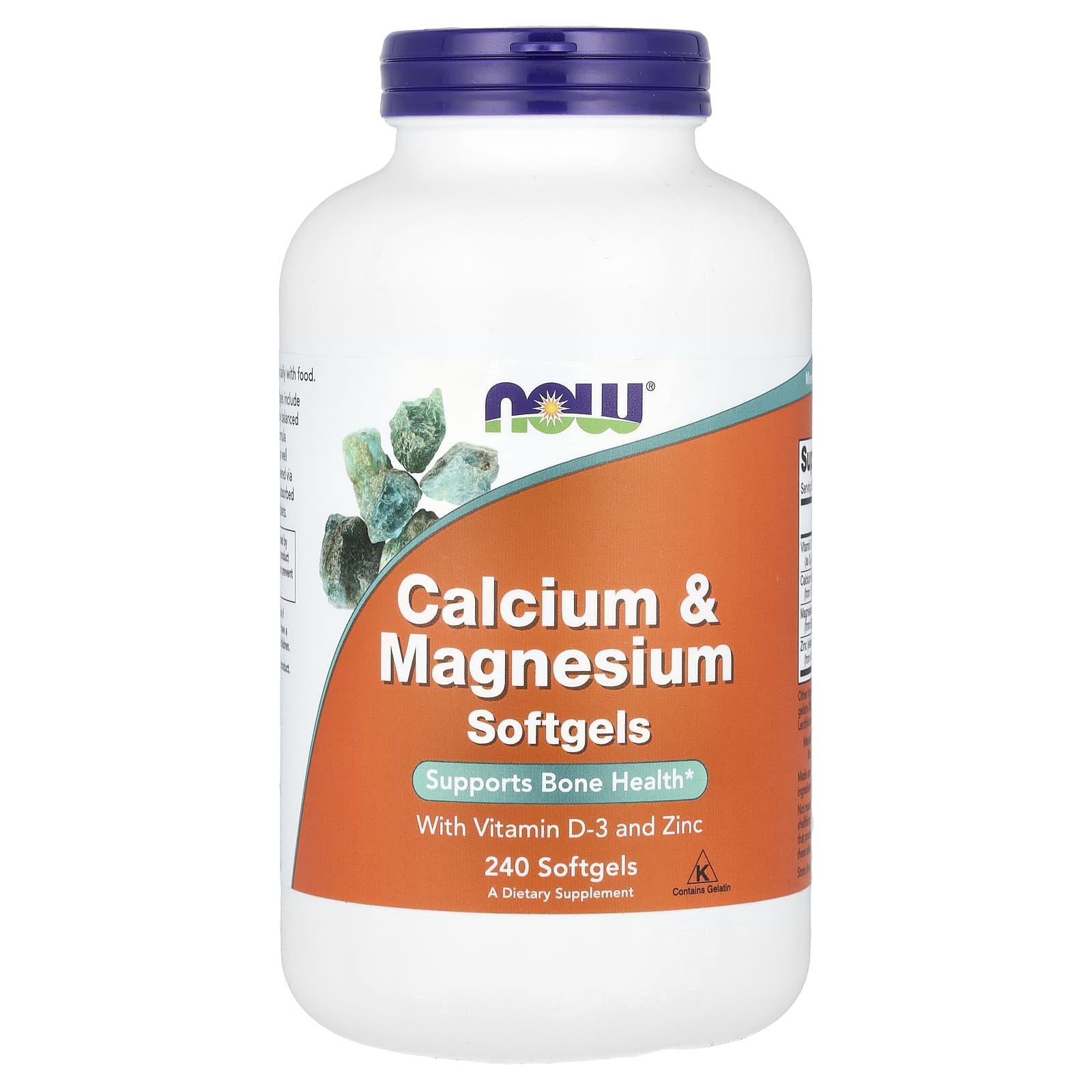
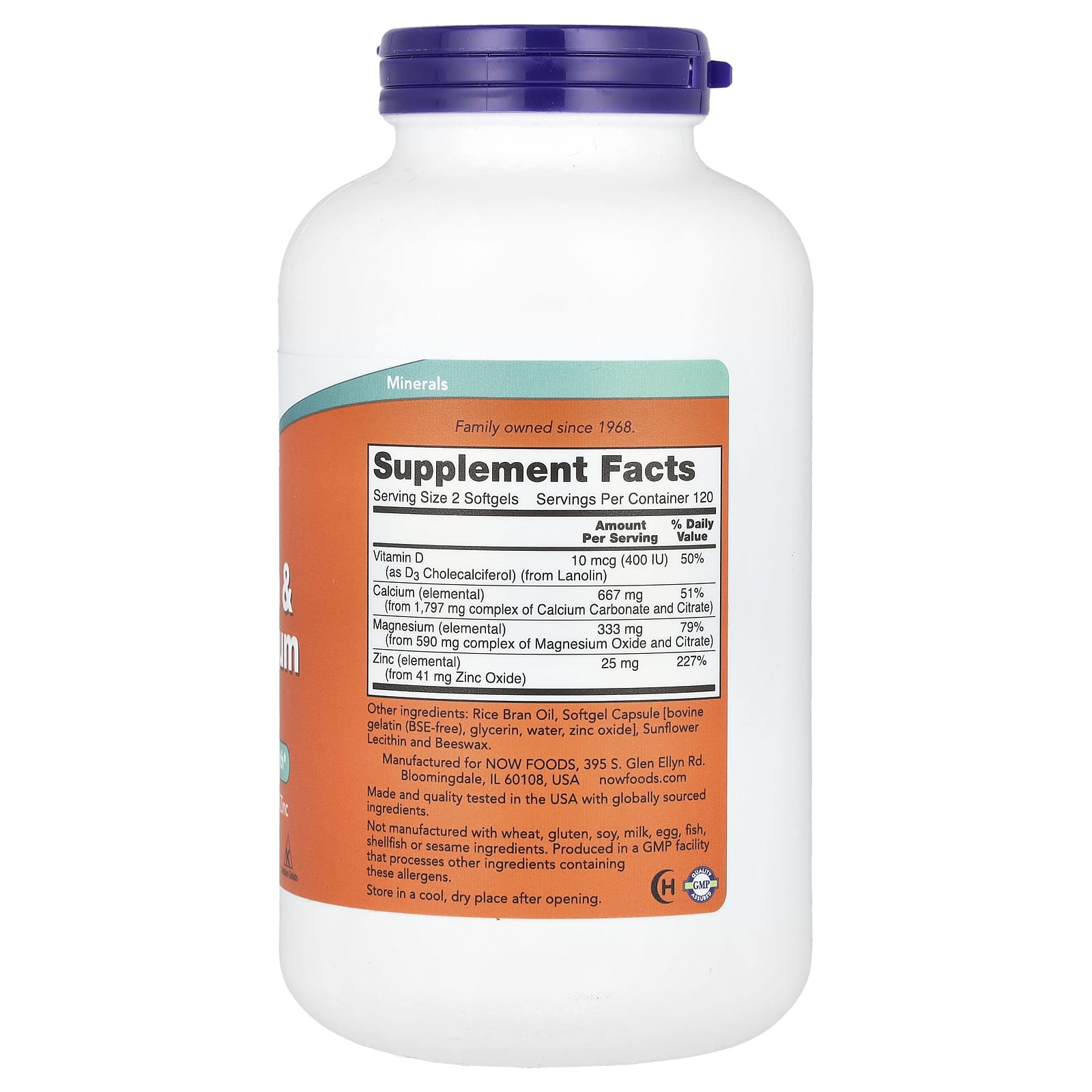
This formula supports strong bones and teeth

When it comes to bone health, calcium often takes center stage. But did you know that magnesium is just as important for maintaining strong, healthy bones? This essential mineral plays a critical role in bone formation, density, and overall skeletal health. Unfortunately, many people overlook magnesium, leading to deficiencies that can compromise bone strength over time. Let’s explore how magnesium can help support your bone health and why it deserves a place in your wellness routine.

*This page contains affiliate links. If you click and purchase, I may earn a commission at no extra cost to you.*

What is Magnesium and Why is it Important for Bone Health?

Magnesium is a vital mineral involved in over 300 biochemical reactions in the body, including energy production, muscle function, and nerve signaling. It’s also essential for bone health, as it helps regulate calcium levels, supports bone density, and plays a role in the activation of vitamin D. Without adequate magnesium, your bones may become weak and brittle, increasing the risk of fractures and osteoporosis.

How Magnesium Supports Bone Health

includes vitamin D-3 and zinc

Here’s a closer look at the science-backed ways magnesium can help with bone health:

1. Enhances Calcium Absorption

Calcium is the primary building block of bones, but it can’t do its job without magnesium. Magnesium helps convert vitamin D into its active form, which is necessary for calcium absorption in the gut. Without enough magnesium, calcium may not be properly utilized, leading to weaker bones.

2. Supports Bone Density

Bone density is a key indicator of bone strength and health. Magnesium plays a direct role in bone formation by stimulating the activity of osteoblasts, the cells responsible for building new bone. Studies have shown that higher magnesium intake is associated with greater bone mineral density, reducing the risk of osteoporosis and fractures.

3. Regulates Parathyroid Hormone

Parathyroid hormone (PTH) helps regulate calcium levels in the blood, but excessive PTH can lead to bone loss. Magnesium helps keep PTH levels in check, ensuring that calcium is properly distributed to the bones rather than being leached from them.

4. Reduces Inflammation

Chronic inflammation can contribute to bone loss and osteoporosis. Magnesium has anti-inflammatory properties that help protect bones from damage caused by inflammation. By reducing inflammation, magnesium supports overall bone health.

5. Prevents Osteoporosis

Osteoporosis, a condition characterized by weak and brittle bones, is a major concern, especially for older adults. Magnesium helps maintain bone strength and density, reducing the risk of osteoporosis. Research has shown that magnesium supplementation can improve bone health in individuals at risk for osteoporosis.

Signs You Might Be Deficient in Magnesium

If you’re concerned about your bone health, it’s worth considering whether you might be deficient in magnesium. Common signs of magnesium deficiency include:

  • Frequent bone fractures or breaks
  • Joint pain or stiffness
  • Muscle cramps or spasms
  • Fatigue and low energy
  • Weak or brittle nails

How to Incorporate Magnesium for Better Bone Health

There are several ways to increase your magnesium intake to support bone health:

  • Diet: Include magnesium-rich foods like leafy greens (spinach, kale), nuts and seeds (almonds, pumpkin seeds), whole grains (quinoa, brown rice), and legumes (black beans, chickpeas).
  • Supplements: Magnesium citrate, glycinate, and malate are popular forms that are particularly effective for bone health.
  • Topical Applications: Magnesium oil or Epsom salt baths can help you absorb magnesium through the skin while promoting relaxation.

What the Research Says

Several studies have highlighted the connection between magnesium and bone health:

  • A 2014 study published in Osteoporosis International found that higher dietary magnesium intake was associated with greater bone mineral density in both men and women.
  • Research in the Journal of the American College of Nutrition showed that magnesium supplementation improved bone health markers in postmenopausal women with osteoporosis.

Conclusion

Magnesium is a powerful ally in the fight for strong, healthy bones. From enhancing calcium absorption and supporting bone density to reducing inflammation and preventing osteoporosis, this essential mineral plays a multifaceted role in promoting bone health. By addressing potential deficiencies and incorporating magnesium into your routine, you can take a proactive step toward better bone health and overall well-being.

References:

  1. Castiglioni, S., Cazzaniga, A., Albisetti, W., & Maier, J. A. (2013). Magnesium and osteoporosis: Current state of knowledge and future research directions. Nutrients, 5(8), 3022-3033. https://doi.org/10.3390/nu5083022
  2. Rude, R. K., Singer, F. R., & Gruber, H. E. (2009). Skeletal and hormonal effects of magnesium deficiency. Journal of the American College of Nutrition, 28(2), 131-141. https://doi.org/10.1080/07315724.2009.10719764

Managing Metabolic Health: How Magnesium Can Make a Difference

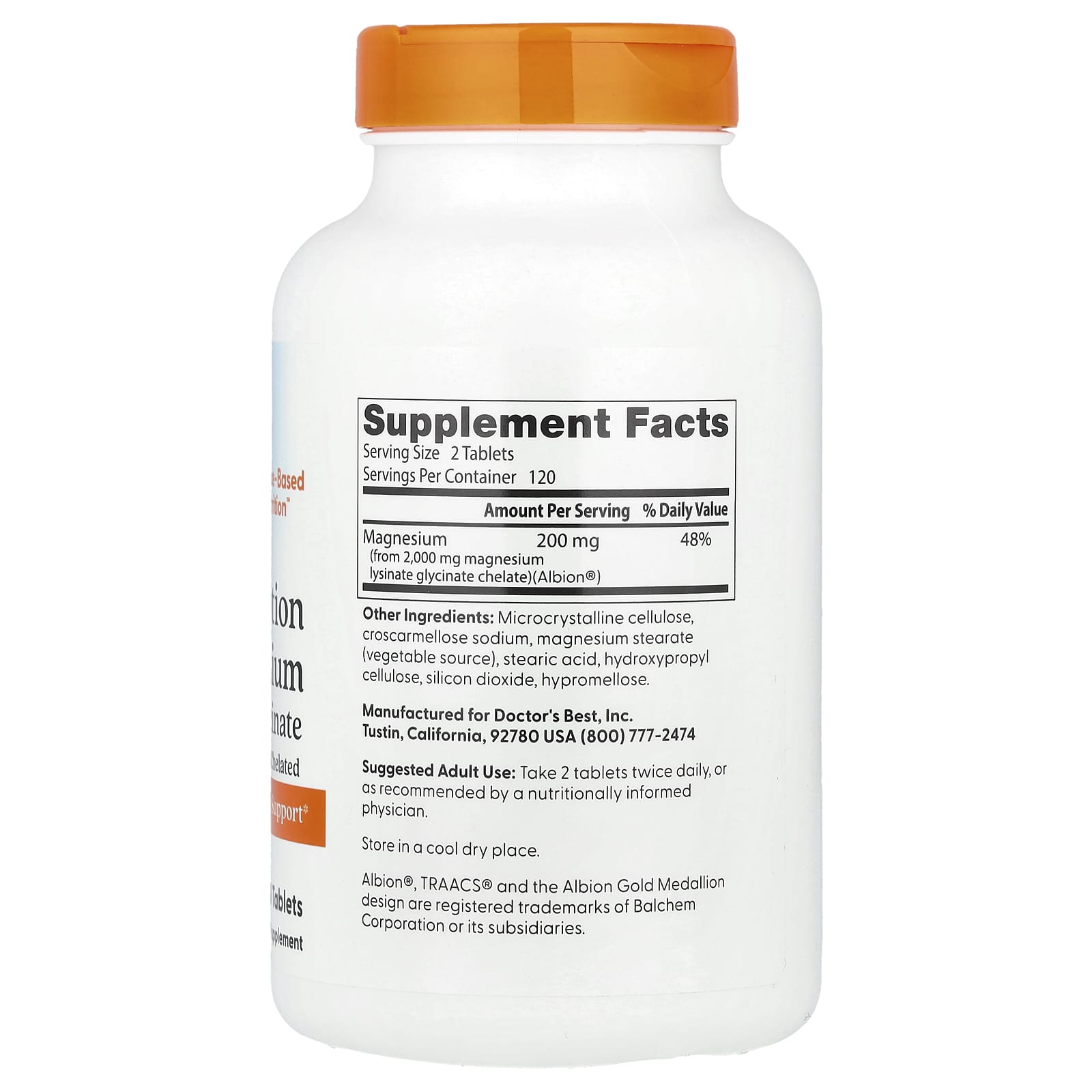
our high absorption magnesium is the ultimate multitasker

Metabolic conditions like type 2 diabetes, insulin resistance, and metabolic syndrome are on the rise, affecting millions of people worldwide. These conditions not only impact blood sugar levels but also increase the risk of heart disease, stroke, and other serious health issues. While diet, exercise, and medication are key to managing metabolic health, one often-overlooked nutrient can play a significant role: magnesium. This essential mineral is involved in hundreds of biochemical processes, many of which directly impact metabolism. Let’s explore how magnesium can help support metabolic health.

*This page contains affiliate links. If you click and purchase, I may earn a commission at no extra cost to you.*

What is Magnesium and Why is it Important for Metabolic Health?

Magnesium is a vital mineral that supports muscle function, nerve signaling, and energy production. It’s also crucial for metabolic health, as it plays a key role in glucose metabolism, insulin sensitivity, and energy regulation. Magnesium helps convert food into energy, regulates blood sugar levels, and supports the function of insulin, the hormone responsible for glucose uptake. Despite its importance, studies suggest that nearly 50% of Americans don’t get enough magnesium in their diets, which can contribute to metabolic dysfunction.

top rated magnesium supplement at iHerb

How Magnesium Supports Metabolic Health

Here’s a closer look at the science-backed ways magnesium can help with metabolic conditions:

1. Improves Insulin Sensitivity

Insulin resistance, a hallmark of type 2 diabetes and metabolic syndrome, occurs when the body’s cells don’t respond effectively to insulin. Magnesium plays a critical role in insulin signaling and glucose uptake. Studies have shown that magnesium supplementation can improve insulin sensitivity, helping to regulate blood sugar levels and reduce the risk of diabetes.

2. Regulates Blood Sugar Levels

Magnesium is involved in the metabolism of carbohydrates and the regulation of blood sugar levels. It helps activate enzymes that control glucose metabolism, ensuring that sugar is properly utilized for energy. Research has shown that higher magnesium intake is associated with better blood sugar control and a reduced risk of type 2 diabetes.

3. Reduces Inflammation

Chronic inflammation is a key driver of metabolic conditions like insulin resistance and type 2 diabetes. Magnesium has anti-inflammatory properties that help reduce markers of inflammation in the body. By lowering inflammation, magnesium can improve metabolic health and reduce the risk of complications.

4. Supports Weight Management

Obesity is a major risk factor for metabolic syndrome and type 2 diabetes. Magnesium helps regulate energy production and fat metabolism, making it easier to maintain a healthy weight. Studies have shown that magnesium supplementation can improve body composition and reduce fat mass in individuals with metabolic conditions.

5. Lowers the Risk of Metabolic Syndrome

Metabolic syndrome is a cluster of conditions that increase the risk of heart disease, stroke, and diabetes. Magnesium helps regulate blood pressure, improve lipid profiles, and support insulin sensitivity, all of which are key components of metabolic health. Research has shown that higher magnesium intake is associated with a lower risk of metabolic syndrome.

Signs You Might Be Deficient in Magnesium

If you’re concerned about your metabolic health, it’s worth considering whether you might be deficient in magnesium. Common signs of magnesium deficiency include:

  • High blood sugar levels
  • Insulin resistance
  • Fatigue and low energy
  • Frequent cravings for sugary foods
  • High blood pressure

How to Incorporate Magnesium for Better Metabolic Health

There are several ways to increase your magnesium intake to support metabolic health:

  • Diet: Include magnesium-rich foods like leafy greens (spinach, kale), nuts and seeds (almonds, pumpkin seeds), whole grains (quinoa, brown rice), and legumes (black beans, chickpeas).
  • Supplements: Magnesium citrate, glycinate, and oxide are popular forms that can help you meet your daily needs.
  • Topical Applications: Magnesium oil or Epsom salt baths can also be effective ways to absorb magnesium through the skin.

What the Research Says

Numerous studies have highlighted the connection between magnesium and metabolic health:

  • A 2015 meta-analysis published in Diabetes Care found that higher magnesium intake was associated with a significantly reduced risk of type 2 diabetes.
  • Research in the Journal of Human Nutrition and Dietetics showed that magnesium supplementation improved insulin sensitivity and blood sugar control in individuals with metabolic syndrome.

Conclusion

Magnesium is a powerful ally in the fight against metabolic conditions. From improving insulin sensitivity and regulating blood sugar levels to reducing inflammation and supporting weight management, this essential mineral plays a multifaceted role in promoting metabolic health. By addressing potential deficiencies and incorporating magnesium into your routine, you can take a proactive step toward better metabolic health and overall well-being.

References:

  1. Dong, J. Y., Xun, P., He, K., & Qin, L. Q. (2011). Magnesium intake and risk of type 2 diabetes: Meta-analysis of prospective cohort studies. Diabetes Care, 34(9), 2116-2122. https://doi.org/10.2337/dc11-0518
  2. Guerrero-Romero, F., & Rodríguez-Morán, M. (2011). Magnesium improves the beta-cell function to compensate variation of insulin sensitivity: Double-blind, randomized clinical trial. European Journal of Clinical Investigation, 41(4), 405-410. https://doi.org/10.1111/j.1365-2362.2010.02422.x

Tired of Muscle Cramps and Soreness? How Magnesium Can Help

Enhanced Bioavailability Magnesium Supplementation

Muscle problems like cramps, spasms, and soreness can be incredibly frustrating, whether you’re an athlete, a fitness enthusiast, or someone who simply leads an active lifestyle. These issues can disrupt your daily routine, hinder your performance, and even cause significant discomfort. Fortunately, there’s a natural solution that can help: magnesium. This essential mineral plays a critical role in muscle function and recovery, making it a powerful ally for anyone dealing with muscle-related issues.

*This page contains affiliate links. If you click and purchase, I may earn a commission at no extra cost to you.*

What is Magnesium and Why is it Important for Muscle Health?

Magnesium is the fourth most abundant mineral in the human body and is involved in over 300 biochemical reactions. It’s essential for muscle contraction and relaxation, nerve signaling, and energy production. Magnesium helps regulate calcium levels in muscle cells, which is crucial for proper muscle function. Without enough magnesium, your muscles may struggle to relax, leading to cramps, spasms, and soreness.

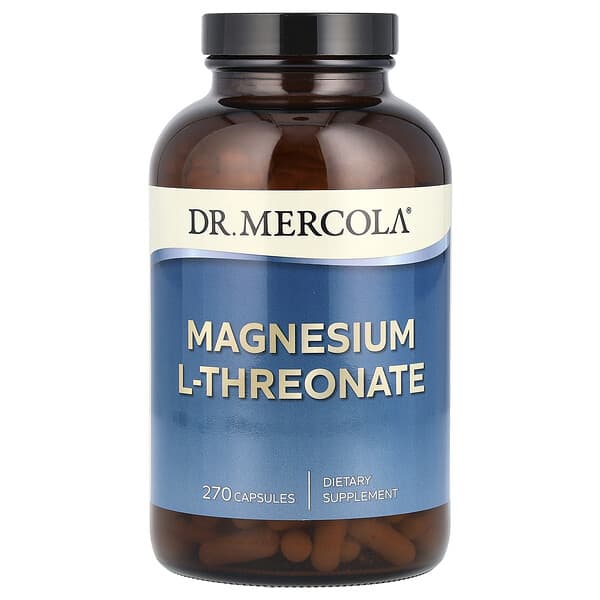
has been shown to effectively raise your brain’s magnesium levels

How Magnesium Supports Muscle Health

Here’s a closer look at the science-backed ways magnesium can help with muscle problems:

1. Prevents Muscle Cramps

Muscle cramps are often caused by an imbalance of electrolytes, including magnesium. Magnesium helps regulate calcium and potassium levels in muscle cells, ensuring proper contraction and relaxation. Studies have shown that magnesium supplementation can reduce the frequency and severity of muscle cramps, particularly in athletes and older adults.

2. Reduces Muscle Soreness

After an intense workout, delayed onset muscle soreness (DOMS) can leave you feeling stiff and achy. Magnesium helps reduce inflammation and supports muscle recovery, making it easier to bounce back after exercise. Research has shown that magnesium supplementation can alleviate muscle soreness and improve recovery time.

3. Relieves Muscle Spasms

Muscle spasms, or involuntary contractions, can be painful and disruptive. Magnesium acts as a natural muscle relaxant, helping to calm overactive muscles and prevent spasms. This is particularly beneficial for individuals who experience conditions like restless leg syndrome (RLS) or nighttime leg cramps.

4. Supports Muscle Function

Magnesium is essential for the proper functioning of muscles. It helps convert glucose into energy, which is necessary for muscle contraction. Without adequate magnesium, your muscles may fatigue more quickly, leading to poor performance and increased risk of injury.

5. Improves Exercise Performance

For athletes and fitness enthusiasts, magnesium can be a game-changer. It helps maintain electrolyte balance, supports energy production, and reduces muscle fatigue. Studies have shown that magnesium supplementation can improve exercise performance, particularly in activities that require endurance and strength.

Signs You Might Be Deficient in Magnesium

If you’re experiencing frequent muscle problems, it’s worth considering whether you might be deficient in magnesium. Common signs of magnesium deficiency include:

  • Frequent muscle cramps or spasms
  • Muscle weakness or fatigue
  • Slow recovery after exercise
  • Restless legs or nighttime leg cramps
  • General muscle soreness or stiffness

How to Incorporate Magnesium for Better Muscle Health

There are several ways to increase your magnesium intake to support muscle health:

  • Diet: Include magnesium-rich foods like leafy greens (spinach, kale), nuts and seeds (almonds, pumpkin seeds), whole grains (quinoa, brown rice), and legumes (black beans, chickpeas).
  • Supplements: Magnesium citrate, glycinate, and malate are popular forms that are particularly effective for muscle health.
  • Topical Applications: Magnesium oil or Epsom salt baths can help you absorb magnesium through the skin while promoting muscle relaxation.

What the Research Says

Several studies have highlighted the connection between magnesium and muscle health:

  • A 2017 study published in Nutrients found that magnesium supplementation reduced muscle soreness and improved recovery in athletes after intense exercise.
  • Research in the Journal of Sports Science & Medicine showed that magnesium supplementation improved muscle performance and reduced fatigue in athletes.

Conclusion

If you’re struggling with muscle cramps, soreness, or spasms, magnesium could be the natural solution you’ve been searching for. From regulating muscle contraction and relaxation to reducing inflammation and supporting recovery, magnesium plays a multifaceted role in promoting muscle health. By addressing potential deficiencies and incorporating magnesium into your routine, you can take a significant step toward better muscle function and overall well-being.

References:

  1. Setaro, L., Santos-Silva, P. R., Nakano, E. Y., Sales, C. H., Nunes, N., Greve, J. M., & Colli, C. (2017). Magnesium status and the physical performance of volleyball players: Effects of magnesium supplementation. Journal of Sports Science & Medicine, 16(3), 383-389. https://www.ncbi.nlm.nih.gov/pmc/articles/PMC5579607/
  2. Zhang, Y., Xun, P., Wang, R., Mao, L., & He, K. (2017). Can magnesium enhance exercise performance? Nutrients, 9(9), 946. https://doi.org/10.3390/nu9090946

Feeling Anxious or Depressed? How Magnesium Can Support Your Mental Health

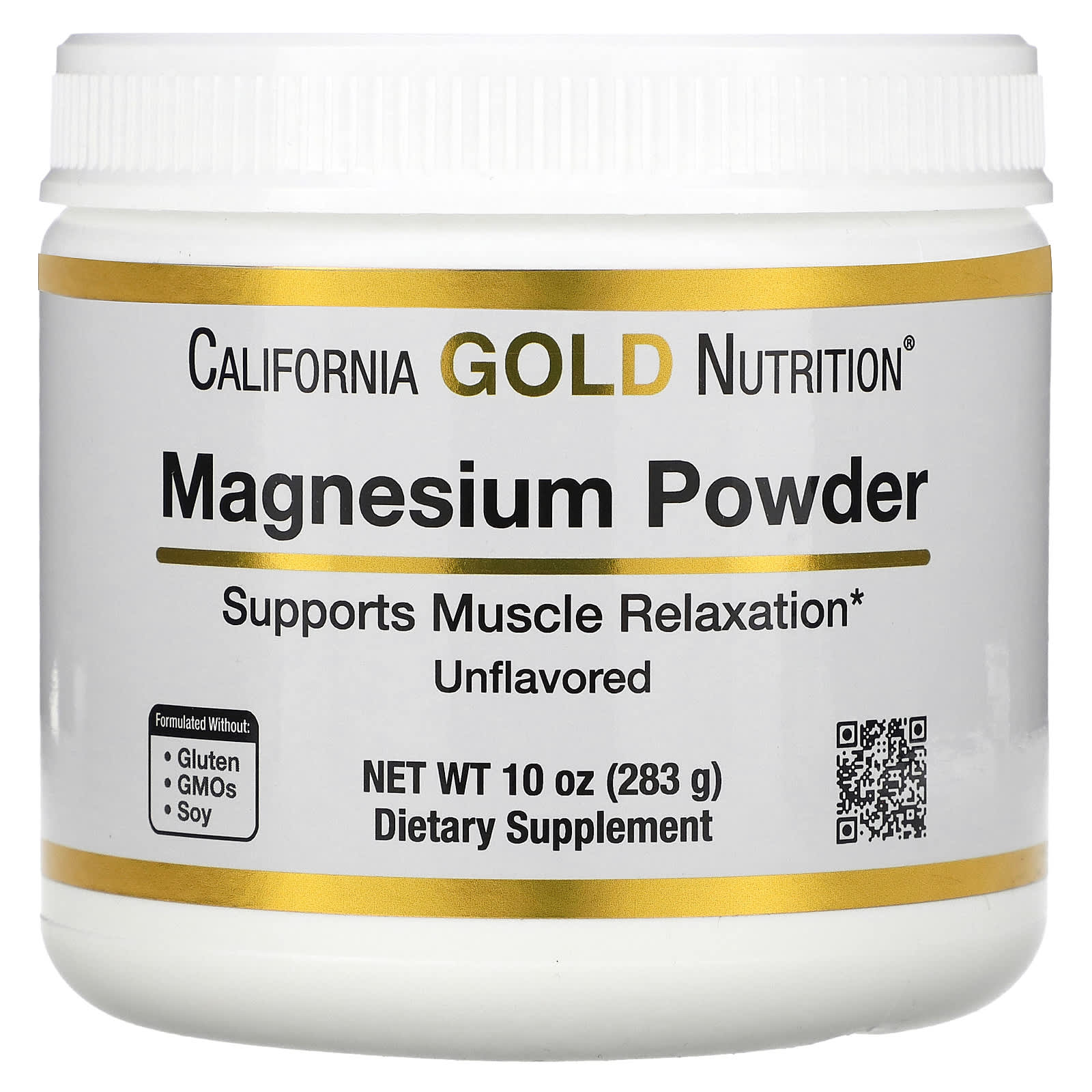
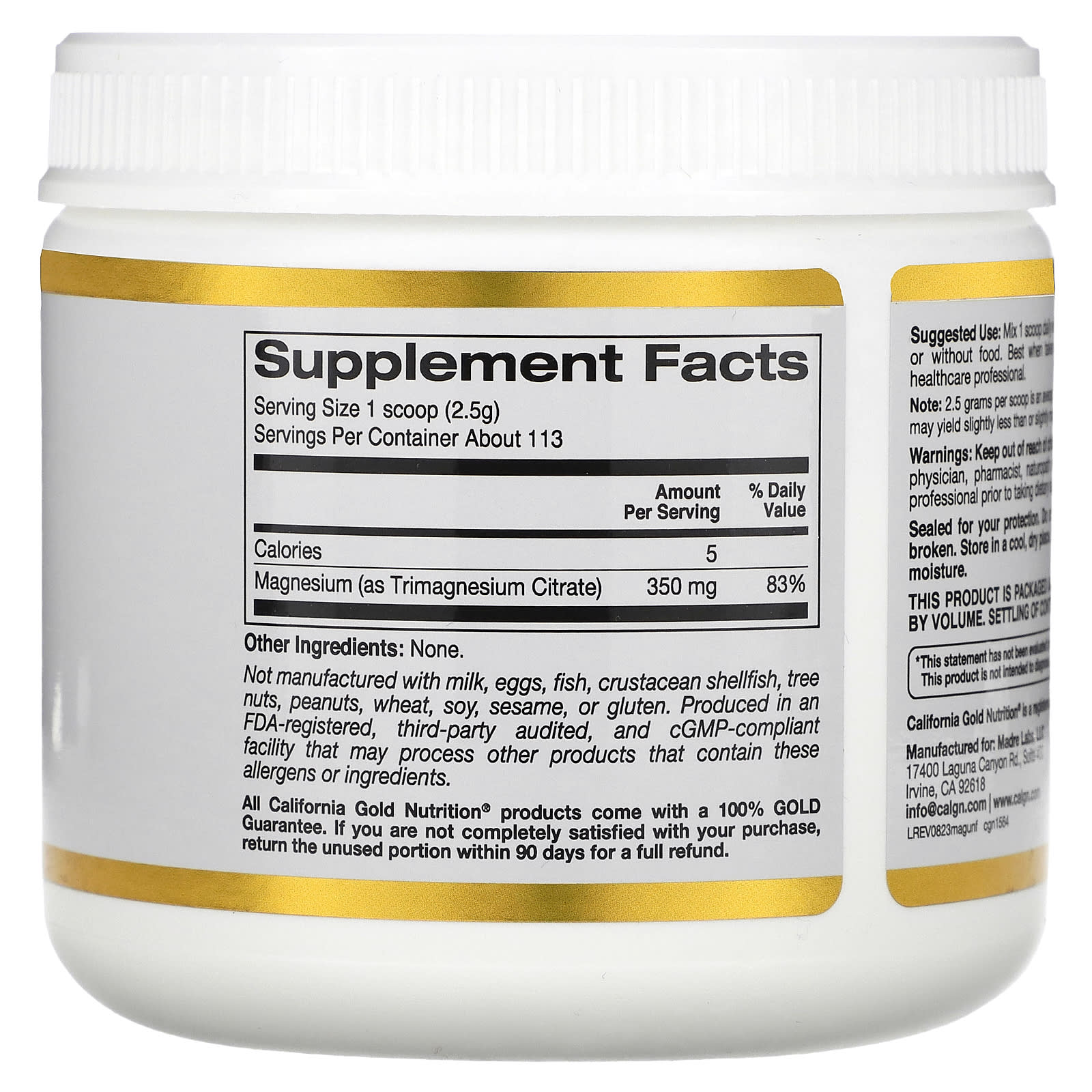
California Gold Nutrition, Magnesium Powder Beverage

Mental health is just as important as physical health, yet millions of people struggle with anxiety, depression, and stress every day. While therapy, medication, and lifestyle changes are common approaches to managing mental health, one often-overlooked nutrient can play a significant role: magnesium. This essential mineral is involved in hundreds of biochemical processes, many of which directly impact brain function and emotional well-being. Let’s explore how magnesium can help support your mental health.

*This page contains affiliate links. If you click and purchase, I may earn a commission at no extra cost to you.*

What is Magnesium and Why is it Important for Mental Health?

Magnesium is a vital mineral that supports muscle function, nerve signaling, and energy production. It’s also crucial for brain health, as it helps regulate neurotransmitters, the chemicals that transmit signals in the brain. Magnesium plays a key role in managing stress, anxiety, and depression by balancing cortisol levels and supporting the production of mood-regulating neurotransmitters like serotonin and GABA. Unfortunately, many people are deficient in magnesium due to poor diet, stress, or certain medical conditions, which can negatively impact mental health.

How Magnesium Supports Mental Health

Here’s a closer look at the science-backed ways magnesium can help with mental health:

Magnesium Powder Beverage

1. Reduces Anxiety

Magnesium is often referred to as the "relaxation mineral" because of its ability to calm the nervous system. It regulates the production of stress hormones like cortisol and supports the function of GABA, a neurotransmitter that promotes relaxation. Studies have shown that magnesium supplementation can significantly reduce symptoms of anxiety and improve overall mood.

2. Alleviates Depression

Low magnesium levels have been linked to an increased risk of depression. Magnesium helps regulate serotonin, a neurotransmitter that plays a key role in mood regulation. Research has shown that magnesium supplementation can be as effective as some antidepressant medications in reducing symptoms of depression.

3. Manages Stress

Chronic stress can deplete magnesium levels, creating a vicious cycle that exacerbates mental health issues. Magnesium helps regulate the body’s stress response by balancing cortisol levels and promoting relaxation. By reducing stress, magnesium can help improve overall mental well-being.

4. Improves Sleep Quality

Poor sleep is closely linked to mental health issues like anxiety and depression. Magnesium helps regulate melatonin, the hormone responsible for sleep, and relaxes your muscles, making it easier to fall asleep and stay asleep. Better sleep can lead to improved mood and reduced stress levels.

5. Supports Brain Function

Magnesium is essential for maintaining healthy brain function. It supports neuroplasticity, the brain’s ability to adapt and form new connections, which is crucial for learning and memory. Magnesium also protects the brain from oxidative stress and inflammation, both of which are linked to mental health disorders.

Signs You Might Be Deficient in Magnesium

If you’re struggling with mental health issues, it’s worth considering whether you might be deficient in magnesium. Common signs of magnesium deficiency include:

  • Anxiety or irritability
  • Depression or low mood
  • Difficulty sleeping
  • Fatigue and low energy
  • Muscle cramps or spasms

California Gold Magnesium Supplements

How to Incorporate Magnesium for Better Mental Health

There are several ways to increase your magnesium intake to support mental health:

  • Diet: Include magnesium-rich foods like leafy greens (spinach, kale), nuts and seeds (almonds, pumpkin seeds), whole grains (quinoa, brown rice), and legumes (black beans, chickpeas).
  • Supplements: Magnesium glycinate and magnesium citrate are highly bioavailable forms that are particularly effective for mental health.
  • Topical Applications: Magnesium oil or Epsom salt baths can help you absorb magnesium through the skin while promoting relaxation.

What the Research Says

Several studies have highlighted the connection between magnesium and mental health:

  • A 2017 study published in PLOS ONE found that magnesium supplementation significantly reduced symptoms of depression and anxiety in adults with mild-to-moderate depression.
  • Research in Neuropharmacology showed that magnesium deficiency can lead to increased anxiety and stress-related behaviors, while supplementation can reverse these effects.

Conclusion

If you’re struggling with anxiety, depression, or stress, magnesium could be the natural solution you’ve been searching for. From regulating neurotransmitters and reducing stress to improving sleep and supporting brain function, magnesium plays a multifaceted role in promoting mental well-being. By addressing potential deficiencies and incorporating magnesium into your routine, you can take a significant step toward better mental health.

References:

  1. Tarleton, E. K., Littenberg, B., MacLean, C. D., Kennedy, A. G., & Daley, C. (2017). Role of magnesium supplementation in the treatment of depression: A randomized clinical trial. PLOS ONE, 12(6), e0180067. https://doi.org/10.1371/journal.pone.0180067
  2. Pochwat, B., Szewczyk, B., Sowa-Kućma, M., Siwek, A., Doboszewska, U., Piekoszewski, W., ... & Nowak, G. (2014). Antidepressant-like activity of magnesium in the chronic mild stress model in rats: Alterations in the NMDA receptor subunits. Neuropharmacology, 82, 397-405. https://doi.org/10.1016/j.neuropharm.2014.01.022

Collagen Makes Up 30% of Your Body's Protein Content

Collagen is the most abundant protein in your body, making up about 30% of your total protein content. As we age, our natural collagen pr...