Fatigue is a common complaint that can stem from a variety of causes, including stress, poor sleep, and nutritional deficiencies. If you’re constantly feeling tired, even after a full night’s rest, the culprit might be a lack of magnesium. This essential mineral plays a critical role in energy production, muscle function, and overall vitality. Let’s explore how magnesium can help you fight fatigue and reclaim your energy.
What is Magnesium and Why is it Important for Energy?
Magnesium is a vital mineral involved in over 300 biochemical reactions in the body, including those that produce energy. It’s essential for converting food into ATP (adenosine triphosphate), the molecule that fuels your cells. Magnesium also supports muscle and nerve function, helps regulate blood sugar levels, and plays a role in stress management. Despite its importance, studies suggest that nearly 50% of Americans don’t get enough magnesium in their diets, which can lead to chronic fatigue and low energy levels.
*This page contains affiliate links. If you click and purchase, I may earn a commission at no extra cost to you.*
How Magnesium Helps Combat Fatigue
Here’s a closer look at the science-backed ways magnesium can help you overcome fatigue:
1. Boosts Energy Production
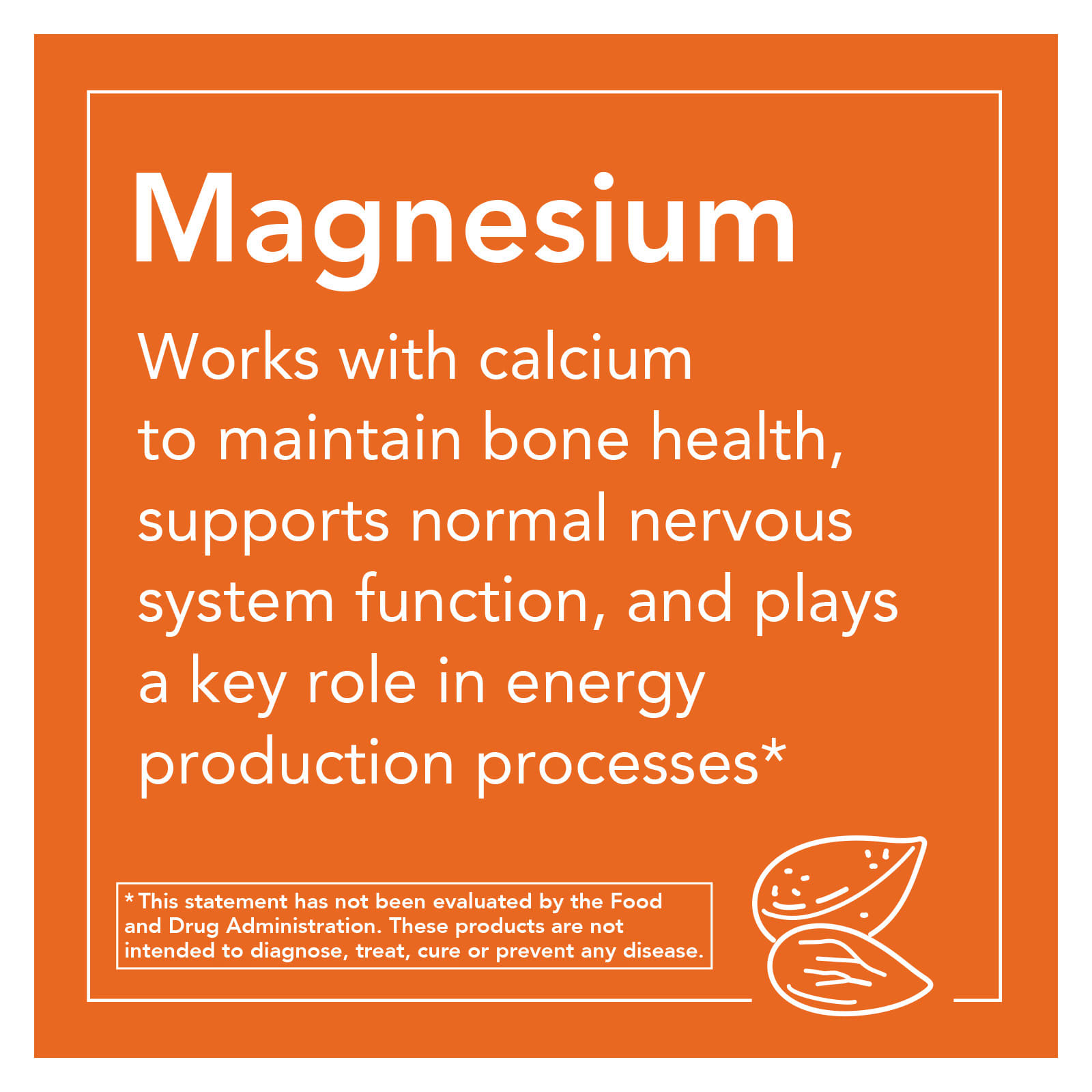
Magnesium is a key player in the production of ATP, the primary source of energy for your cells. It helps activate enzymes that convert carbohydrates, fats, and proteins into ATP. Without adequate magnesium, your body struggles to produce energy efficiently, leaving you feeling tired and sluggish.
2. Regulates Blood Sugar Levels
Fluctuations in blood sugar levels can lead to energy crashes and fatigue. Magnesium helps regulate insulin, the hormone responsible for glucose uptake, ensuring that your cells have a steady supply of energy. Studies have shown that magnesium supplementation can improve blood sugar control and reduce fatigue in individuals with insulin resistance or type 2 diabetes.
3. Supports Muscle Function
Fatigue isn’t just mental—it can also be physical. Magnesium helps relax muscles and prevent cramps, spasms, and soreness, which can drain your energy. By supporting muscle function, magnesium can help you feel more energized and less fatigued after physical activity.
4. Improves Sleep Quality
Poor sleep is a major contributor to fatigue. Magnesium helps regulate melatonin, the hormone responsible for sleep, and relaxes your muscles, making it easier to fall asleep and stay asleep. Better sleep means more energy during the day.
5. Reduces Stress and Anxiety
Chronic stress can deplete your energy reserves and leave you feeling exhausted. Magnesium helps regulate cortisol, the body’s primary stress hormone, and supports the production of GABA, a neurotransmitter that promotes relaxation. By reducing stress and anxiety, magnesium can help you feel more energized and focused.
Signs You Might Be Deficient in Magnesium
If you’re struggling with fatigue, it’s worth considering whether you might be deficient in magnesium. Common signs of magnesium deficiency include:
- Persistent tiredness or low energy
- Muscle weakness or cramps
- Difficulty sleeping
- Irritability or mood swings
- Frequent headaches or migraines
How to Incorporate Magnesium for Better Energy
There are several ways to increase your magnesium intake to combat fatigue:
- Diet: Include magnesium-rich foods like leafy greens (spinach, kale), nuts and seeds (almonds, pumpkin seeds), whole grains (quinoa, brown rice), and legumes (black beans, chickpeas).
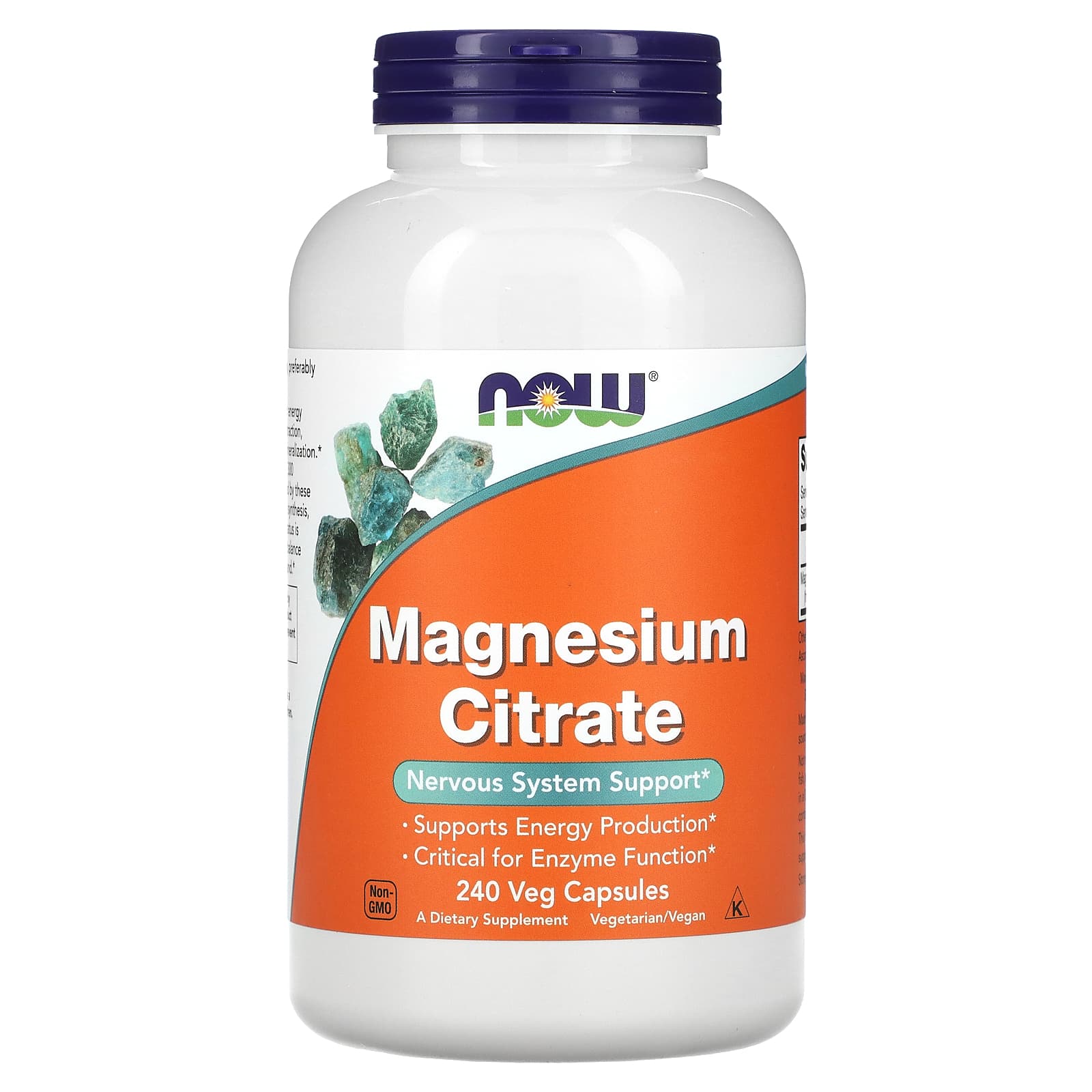
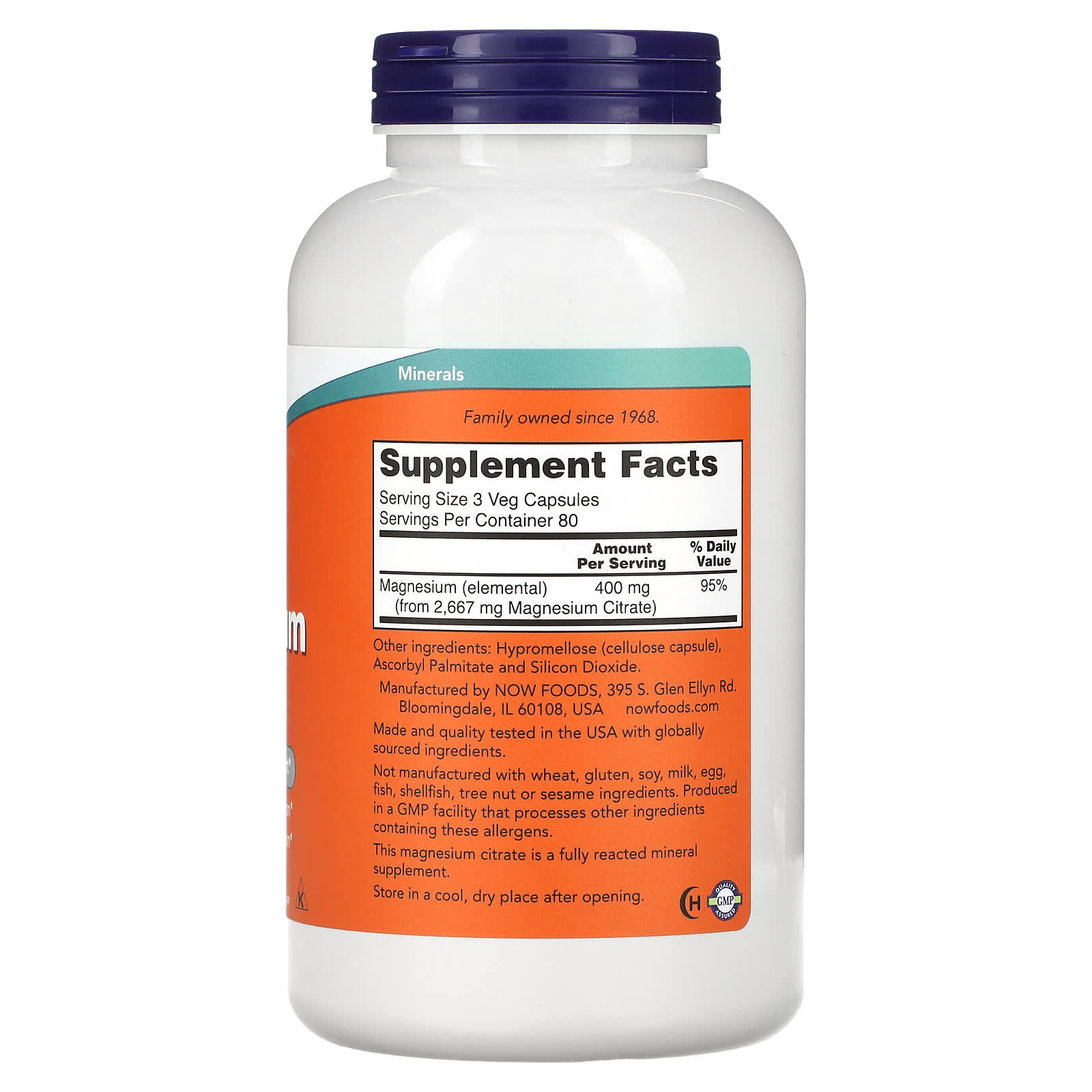
- Supplements: Magnesium citrate, glycinate, and malate are popular forms that are particularly effective for boosting energy.
- Topical Applications: Magnesium oil or Epsom salt baths can help you absorb magnesium through the skin while promoting relaxation.
What the Research Says
Several studies have highlighted the connection between magnesium and energy levels:
- A 2012 study published in Nutrients found that magnesium supplementation improved energy metabolism and reduced fatigue in participants with low magnesium levels.
- Research in the Journal of the American College of Nutrition showed that magnesium supplementation improved physical performance and reduced fatigue in athletes.
Conclusion
If you’re constantly feeling tired and drained, magnesium could be the natural solution you’ve been searching for. From boosting energy production and regulating blood sugar levels to improving sleep quality and reducing stress, magnesium plays a multifaceted role in combating fatigue. By addressing potential deficiencies and incorporating magnesium into your routine, you can take a significant step toward better energy and overall well-being.
References:
- Nielsen, F. H., & Lukaski, H. C. (2006). Update on the relationship between magnesium and exercise. Magnesium Research, 19(3), 180-189. https://www.jle.com/en/revues/mrh/e-docs/update_on_the_relationship_between_magnesium_and_exercise_269825/article.phtml
- Zhang, Y., Xun, P., Wang, R., Mao, L., & He, K. (2017). Can magnesium enhance exercise performance? Nutrients, 9(9), 946. https://doi.org/10.3390/nu9090946




No comments:
Post a Comment