Muscle problems like cramps, spasms, and soreness can be incredibly frustrating, whether you’re an athlete, a fitness enthusiast, or someone who simply leads an active lifestyle. These issues can disrupt your daily routine, hinder your performance, and even cause significant discomfort. Fortunately, there’s a natural solution that can help: magnesium. This essential mineral plays a critical role in muscle function and recovery, making it a powerful ally for anyone dealing with muscle-related issues.
*This page contains affiliate links. If you click and purchase, I may earn a commission at no extra cost to you.*
What is Magnesium and Why is it Important for Muscle Health?
Magnesium is the fourth most abundant mineral in the human body and is involved in over 300 biochemical reactions. It’s essential for muscle contraction and relaxation, nerve signaling, and energy production. Magnesium helps regulate calcium levels in muscle cells, which is crucial for proper muscle function. Without enough magnesium, your muscles may struggle to relax, leading to cramps, spasms, and soreness.
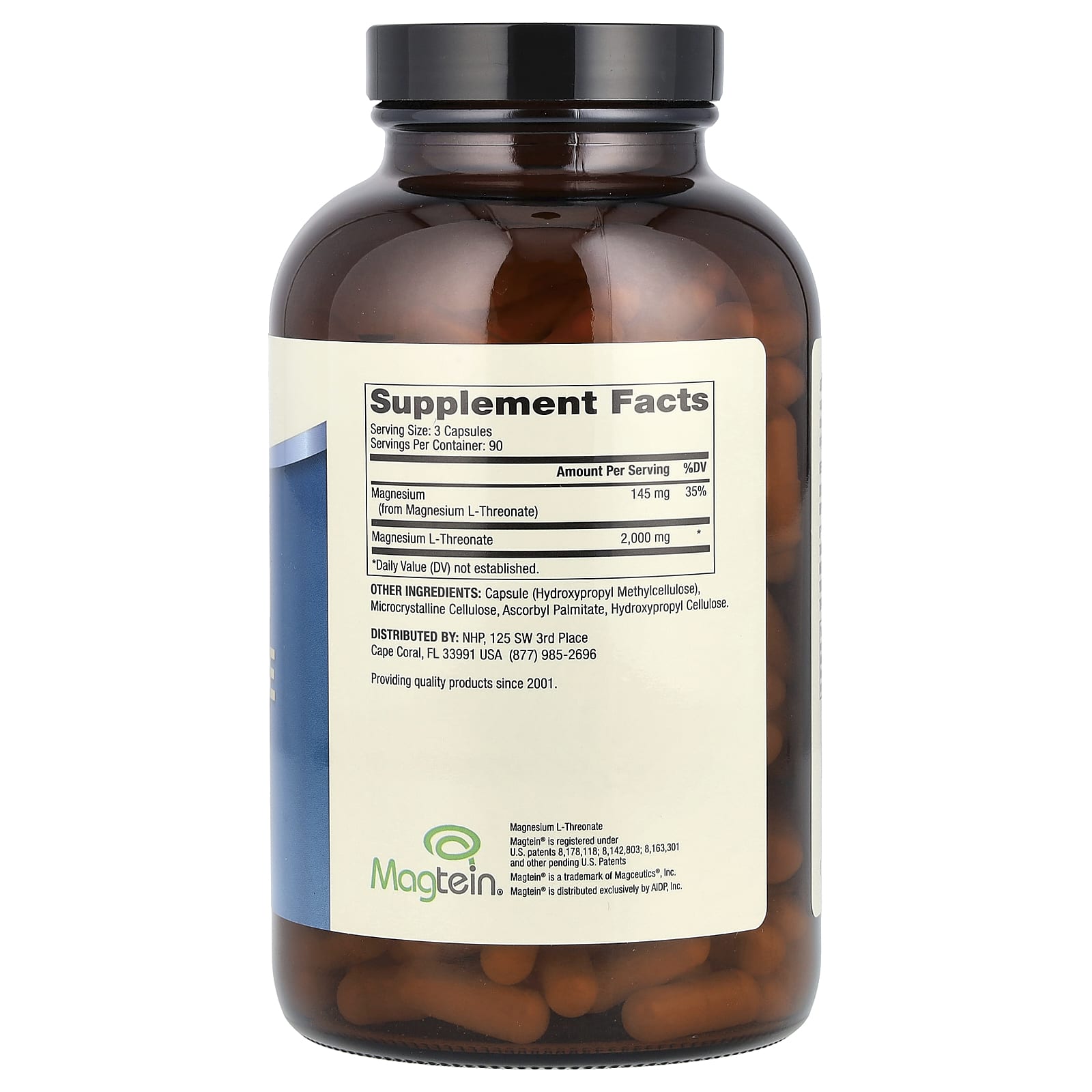
How Magnesium Supports Muscle Health
Here’s a closer look at the science-backed ways magnesium can help with muscle problems:
1. Prevents Muscle Cramps
Muscle cramps are often caused by an imbalance of electrolytes, including magnesium. Magnesium helps regulate calcium and potassium levels in muscle cells, ensuring proper contraction and relaxation. Studies have shown that magnesium supplementation can reduce the frequency and severity of muscle cramps, particularly in athletes and older adults.
2. Reduces Muscle Soreness
After an intense workout, delayed onset muscle soreness (DOMS) can leave you feeling stiff and achy. Magnesium helps reduce inflammation and supports muscle recovery, making it easier to bounce back after exercise. Research has shown that magnesium supplementation can alleviate muscle soreness and improve recovery time.
3. Relieves Muscle Spasms
Muscle spasms, or involuntary contractions, can be painful and disruptive. Magnesium acts as a natural muscle relaxant, helping to calm overactive muscles and prevent spasms. This is particularly beneficial for individuals who experience conditions like restless leg syndrome (RLS) or nighttime leg cramps.
4. Supports Muscle Function
Magnesium is essential for the proper functioning of muscles. It helps convert glucose into energy, which is necessary for muscle contraction. Without adequate magnesium, your muscles may fatigue more quickly, leading to poor performance and increased risk of injury.
5. Improves Exercise Performance
For athletes and fitness enthusiasts, magnesium can be a game-changer. It helps maintain electrolyte balance, supports energy production, and reduces muscle fatigue. Studies have shown that magnesium supplementation can improve exercise performance, particularly in activities that require endurance and strength.
Signs You Might Be Deficient in Magnesium
If you’re experiencing frequent muscle problems, it’s worth considering whether you might be deficient in magnesium. Common signs of magnesium deficiency include:
- Frequent muscle cramps or spasms
- Muscle weakness or fatigue
- Slow recovery after exercise
- Restless legs or nighttime leg cramps
- General muscle soreness or stiffness
How to Incorporate Magnesium for Better Muscle Health
There are several ways to increase your magnesium intake to support muscle health:
- Diet: Include magnesium-rich foods like leafy greens (spinach, kale), nuts and seeds (almonds, pumpkin seeds), whole grains (quinoa, brown rice), and legumes (black beans, chickpeas).
- Supplements: Magnesium citrate, glycinate, and malate are popular forms that are particularly effective for muscle health.
- Topical Applications: Magnesium oil or Epsom salt baths can help you absorb magnesium through the skin while promoting muscle relaxation.
What the Research Says
Several studies have highlighted the connection between magnesium and muscle health:
- A 2017 study published in Nutrients found that magnesium supplementation reduced muscle soreness and improved recovery in athletes after intense exercise.
- Research in the Journal of Sports Science & Medicine showed that magnesium supplementation improved muscle performance and reduced fatigue in athletes.
Conclusion
If you’re struggling with muscle cramps, soreness, or spasms, magnesium could be the natural solution you’ve been searching for. From regulating muscle contraction and relaxation to reducing inflammation and supporting recovery, magnesium plays a multifaceted role in promoting muscle health. By addressing potential deficiencies and incorporating magnesium into your routine, you can take a significant step toward better muscle function and overall well-being.
References:
- Setaro, L., Santos-Silva, P. R., Nakano, E. Y., Sales, C. H., Nunes, N., Greve, J. M., & Colli, C. (2017). Magnesium status and the physical performance of volleyball players: Effects of magnesium supplementation. Journal of Sports Science & Medicine, 16(3), 383-389. https://www.ncbi.nlm.nih.gov/pmc/articles/PMC5579607/
- Zhang, Y., Xun, P., Wang, R., Mao, L., & He, K. (2017). Can magnesium enhance exercise performance? Nutrients, 9(9), 946. https://doi.org/10.3390/nu9090946



No comments:
Post a Comment