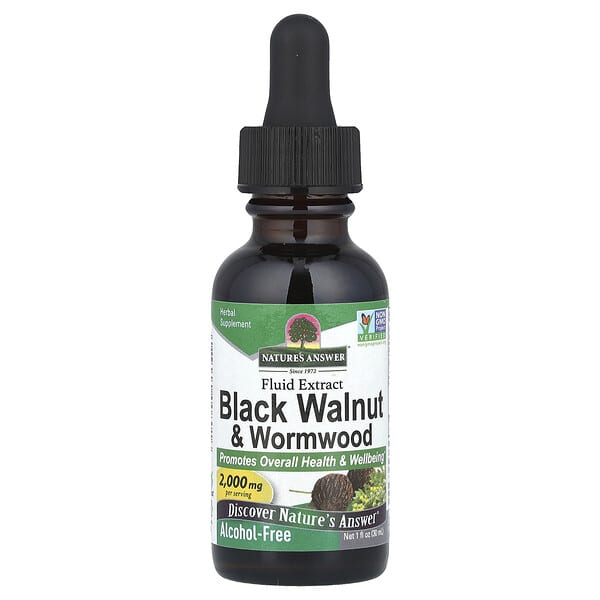
Black walnut (Juglans nigra), a native North American tree, has been used for centuries in traditional medicine for its potent antimicrobial and antiparasitic properties. While the nuts are a nutritious food, it’s the green hulls (and to a lesser extent, the leaves and bark) that are prized for their medicinal effects. Today, research confirms black walnut’s ability to fight parasites, balance gut health, and even address stubborn skin conditions. Let’s dive into the science and safe usage of this powerful herb.
*This page contains affiliate links. If you click and purchase, I may earn a commission at no extra cost to you.*
Key Compounds in Black Walnut
Black walnut’s benefits come from its unique phytochemical profile:
- Juglone (antiparasitic, antifungal, and antitumor properties)
- Tannins (astringent, wound-healing, and anti-inflammatory)
- Polyphenols (antioxidants that combat oxidative stress)
- Organic iodine (supports thyroid and immune function)
Note: Juglone can be toxic in high doses. Always use standardized extracts or follow professional guidance.

Proven Health Benefits of Black Walnut
1. Eliminates Intestinal Parasites
Black walnut is a star player in herbal parasite protocols. Its juglone content paralyzes parasites like pinworms, tapeworms, and Giardia, making them easier to expel. A 2014 study highlighted its efficacy against helminths (parasitic worms).
2. Fights Candida and Fungal Infections
Juglone exhibits strong antifungal activity. A 2014 study found black walnut extract effective against Candida albicans and even drug-resistant fungal strains.
3. Supports Gut Health and SIBO
Black walnut’s tannins help reduce intestinal inflammation and overgrowth of harmful bacteria. It’s often combined with wormwood and cloves for SIBO (Small Intestinal Bacterial Overgrowth) protocols.
4. Promotes Skin Health
Topically, black walnut hull tincture or powder can address:
- Ringworm and athlete’s foot (thanks to its antifungal properties)
- Eczema and psoriasis (due to its anti-inflammatory effects)
- Warts (applied carefully to avoid skin irritation)
5. Acts as a Natural Antibacterial
Research in the Journal of Medicinal Food (2015) showed black walnut’s effectiveness against Staphylococcus aureus and E. coli.
6. May Support Cardiovascular Health
While more research is needed, black walnut’s polyphenols may help reduce LDL cholesterol and improve circulation, similar to English walnuts.
How to Use Black Walnut Safely
Forms & Dosage:
- Tincture (alcohol extract): 10–30 drops in water, 1–3x daily (for parasites or infections)
- Capsules (dried hull powder): 500–1,000 mg, 2x daily
- Topical application: Diluted tincture or salve for fungal skin conditions (patch test first)
- Tea: Steep 1 tsp dried hulls in hot water for 5–10 mins (bitter; best combined with other herbs)
Safety & Side Effects
Black walnut is powerful but requires caution:
- Avoid during pregnancy (may stimulate contractions).
- Limit use to 2–4 weeks for parasite cleanses (long-term use may disrupt gut flora).
- Potential interactions: May enhance effects of blood thinners (consult your doctor).
- Allergies: Do not use if allergic to tree nuts.
- Skin staining: The hulls can temporarily dye skin brown.
Final Thoughts
Black walnut is a versatile herbal remedy, particularly valued for its antiparasitic and antifungal properties. For best results, pair it with other antiparasitic herbs like wormwood and cloves in a structured cleanse, or use it topically for stubborn skin infections. Always prioritize quality sourcing and professional guidance for internal use.
References:
- Sharma, P., et al. (2014). "Anthelmintic Activity of Juglans nigra Against Gastrointestinal Nematodes." Journal of Parasitic Diseases. PMC4054082
- Salem, M. Z., et al. (2015). "Antibacterial and Antifungal Properties of Black Walnut Extracts." Journal of Medicinal Food. DOI: 10.1089/jmf.2014.0079




No comments:
Post a Comment