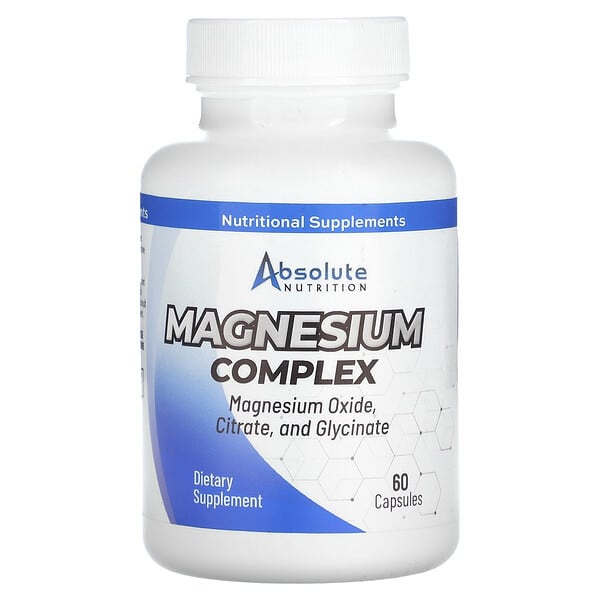
Migraines and headaches are more than just a nuisance—they can be debilitating, affecting your ability to work, socialize, and enjoy life. While there are many potential triggers for migraines, one often-overlooked factor is magnesium deficiency. Magnesium, an essential mineral involved in hundreds of biochemical processes, plays a key role in preventing and alleviating migraines and headaches. Let’s explore how magnesium can help you find relief and improve your quality of life.
*This page contains affiliate links. If you click and purchase, I may earn a commission at no extra cost to you.*
What is Magnesium and Why is it Important for Migraine Relief?
Magnesium is a vital mineral that supports muscle function, nerve signaling, and energy production. It’s also crucial for brain health, as it helps regulate neurotransmitters and blood vessel function. Magnesium deficiency has been linked to an increased risk of migraines and headaches, likely due to its role in stabilizing nerve activity and reducing inflammation. Studies suggest that nearly 50% of migraine sufferers have low magnesium levels, making supplementation a potential game-changer for relief.
How Magnesium Helps with Migraines and Headaches
Here’s a closer look at the science-backed ways magnesium can help prevent and alleviate migraines and headaches:
1. Regulates Neurotransmitters
Migraines are often linked to abnormal brain activity, including the release of certain neurotransmitters like serotonin. Magnesium helps regulate these neurotransmitters, preventing the overexcitation of nerve cells that can trigger migraines. By stabilizing nerve activity, magnesium can reduce the frequency and severity of migraines.
2. Relaxes Blood Vessels
During a migraine, blood vessels in the brain can constrict and then dilate, causing pain and inflammation. Magnesium helps relax blood vessels, improving blood flow and reducing the risk of migraine attacks. This vasodilatory effect can also help alleviate tension headaches, which are often caused by restricted blood flow.
3. Reduces Inflammation
Inflammation is a key factor in migraines and headaches. Magnesium has anti-inflammatory properties that help reduce the release of inflammatory substances in the brain, such as CGRP (calcitonin gene-related peptide), which is strongly associated with migraines.
4. Balances Cortisol Levels
Stress is a common trigger for migraines and tension headaches. Magnesium helps regulate cortisol, the body’s primary stress hormone, reducing the likelihood of stress-induced headaches. By promoting relaxation, magnesium can also help prevent migraines triggered by tension and anxiety.
5. Prevents Cortical Spreading Depression (CSD)
Cortical spreading depression (CSD) is a wave of electrical activity in the brain that is thought to trigger migraines. Magnesium helps stabilize electrical activity in the brain, preventing CSD and reducing the risk of migraines.
Signs You Might Be Deficient in Magnesium
If you suffer from frequent migraines or headaches, it’s worth considering whether you might be deficient in magnesium. Common signs of magnesium deficiency include:
- Frequent migraines or tension headaches
- Muscle cramps or spasms
- Fatigue and low energy
- Irritability or anxiety
- Difficulty sleeping
How to Incorporate Magnesium for Migraine Relief
There are several ways to increase your magnesium intake to support migraine and headache relief:
- Diet: Include magnesium-rich foods like leafy greens (spinach, kale), nuts and seeds (almonds, pumpkin seeds), whole grains (quinoa, brown rice), and legumes (black beans, chickpeas).
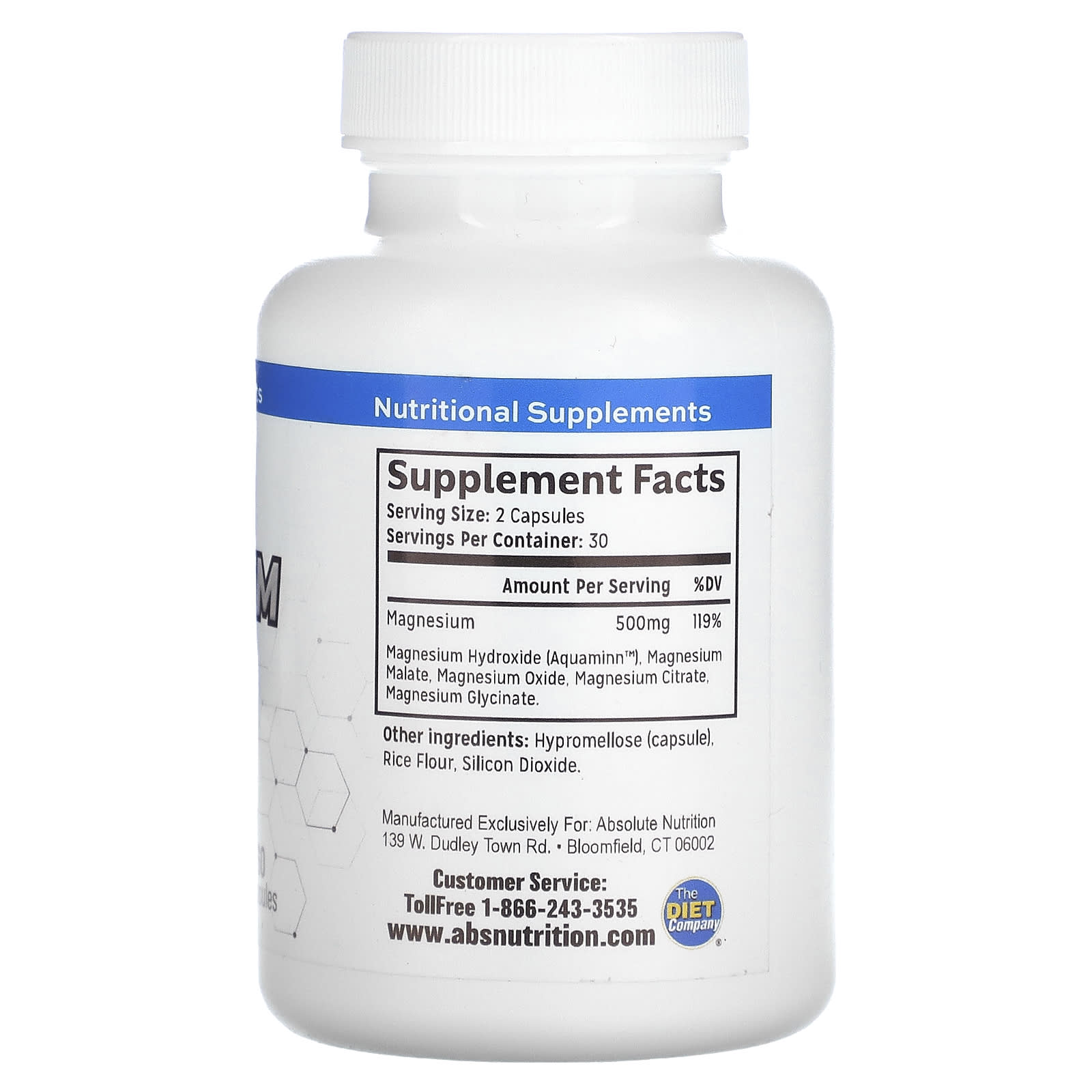
- Supplements: Magnesium citrate, glycinate, and oxide are popular forms that are particularly effective for migraine relief.
- Topical Applications: Magnesium oil or Epsom salt baths can help you absorb magnesium through the skin while promoting relaxation.
What the Research Says
Numerous studies have highlighted the connection between magnesium and migraine relief:
- A 2012 study published in Headache: The Journal of Head and Face Pain found that magnesium supplementation significantly reduced the frequency and severity of migraines in participants.
- Research in Neurological Sciences showed that intravenous magnesium sulfate provided rapid relief for acute migraine attacks, particularly in individuals with low magnesium levels.
Conclusion
If you’re struggling with migraines or headaches, magnesium could be the natural solution you’ve been searching for. From regulating neurotransmitters and relaxing blood vessels to reducing inflammation and preventing cortical spreading depression, magnesium plays a multifaceted role in alleviating and preventing migraines. By addressing potential deficiencies and incorporating magnesium into your routine, you can take a significant step toward better headache management and improved quality of life.
References:
- Chiu, H. Y., Yeh, T. H., Huang, Y. C., & Chen, P. Y. (2016). Effects of intravenous and oral magnesium on reducing migraine: A meta-analysis of randomized controlled trials. Pain Physician, 19(1), E97-E112. https://www.painphysicianjournal.com/linkout?issn=1533-3159&vol=19&page=E97
- Mauskop, A., & Varughese, J. (2012). Why all migraine patients should be treated with magnesium. Journal of Neural Transmission, 119(5), 575-579. https://doi.org/10.1007/s00702-012-0790-2




No comments:
Post a Comment