Mental health is just as important as physical health, yet millions of people struggle with anxiety, depression, and stress every day. While therapy, medication, and lifestyle changes are common approaches to managing mental health, one often-overlooked nutrient can play a significant role: magnesium. This essential mineral is involved in hundreds of biochemical processes, many of which directly impact brain function and emotional well-being. Let’s explore how magnesium can help support your mental health.
*This page contains affiliate links. If you click and purchase, I may earn a commission at no extra cost to you.*
What is Magnesium and Why is it Important for Mental Health?
Magnesium is a vital mineral that supports muscle function, nerve signaling, and energy production. It’s also crucial for brain health, as it helps regulate neurotransmitters, the chemicals that transmit signals in the brain. Magnesium plays a key role in managing stress, anxiety, and depression by balancing cortisol levels and supporting the production of mood-regulating neurotransmitters like serotonin and GABA. Unfortunately, many people are deficient in magnesium due to poor diet, stress, or certain medical conditions, which can negatively impact mental health.
How Magnesium Supports Mental Health
Here’s a closer look at the science-backed ways magnesium can help with mental health:
1. Reduces Anxiety
Magnesium is often referred to as the "relaxation mineral" because of its ability to calm the nervous system. It regulates the production of stress hormones like cortisol and supports the function of GABA, a neurotransmitter that promotes relaxation. Studies have shown that magnesium supplementation can significantly reduce symptoms of anxiety and improve overall mood.
2. Alleviates Depression
Low magnesium levels have been linked to an increased risk of depression. Magnesium helps regulate serotonin, a neurotransmitter that plays a key role in mood regulation. Research has shown that magnesium supplementation can be as effective as some antidepressant medications in reducing symptoms of depression.
3. Manages Stress
Chronic stress can deplete magnesium levels, creating a vicious cycle that exacerbates mental health issues. Magnesium helps regulate the body’s stress response by balancing cortisol levels and promoting relaxation. By reducing stress, magnesium can help improve overall mental well-being.
4. Improves Sleep Quality
Poor sleep is closely linked to mental health issues like anxiety and depression. Magnesium helps regulate melatonin, the hormone responsible for sleep, and relaxes your muscles, making it easier to fall asleep and stay asleep. Better sleep can lead to improved mood and reduced stress levels.
5. Supports Brain Function
Magnesium is essential for maintaining healthy brain function. It supports neuroplasticity, the brain’s ability to adapt and form new connections, which is crucial for learning and memory. Magnesium also protects the brain from oxidative stress and inflammation, both of which are linked to mental health disorders.
Signs You Might Be Deficient in Magnesium
If you’re struggling with mental health issues, it’s worth considering whether you might be deficient in magnesium. Common signs of magnesium deficiency include:
- Anxiety or irritability
- Depression or low mood
- Difficulty sleeping
- Fatigue and low energy
- Muscle cramps or spasms
How to Incorporate Magnesium for Better Mental Health
There are several ways to increase your magnesium intake to support mental health:
- Diet: Include magnesium-rich foods like leafy greens (spinach, kale), nuts and seeds (almonds, pumpkin seeds), whole grains (quinoa, brown rice), and legumes (black beans, chickpeas).
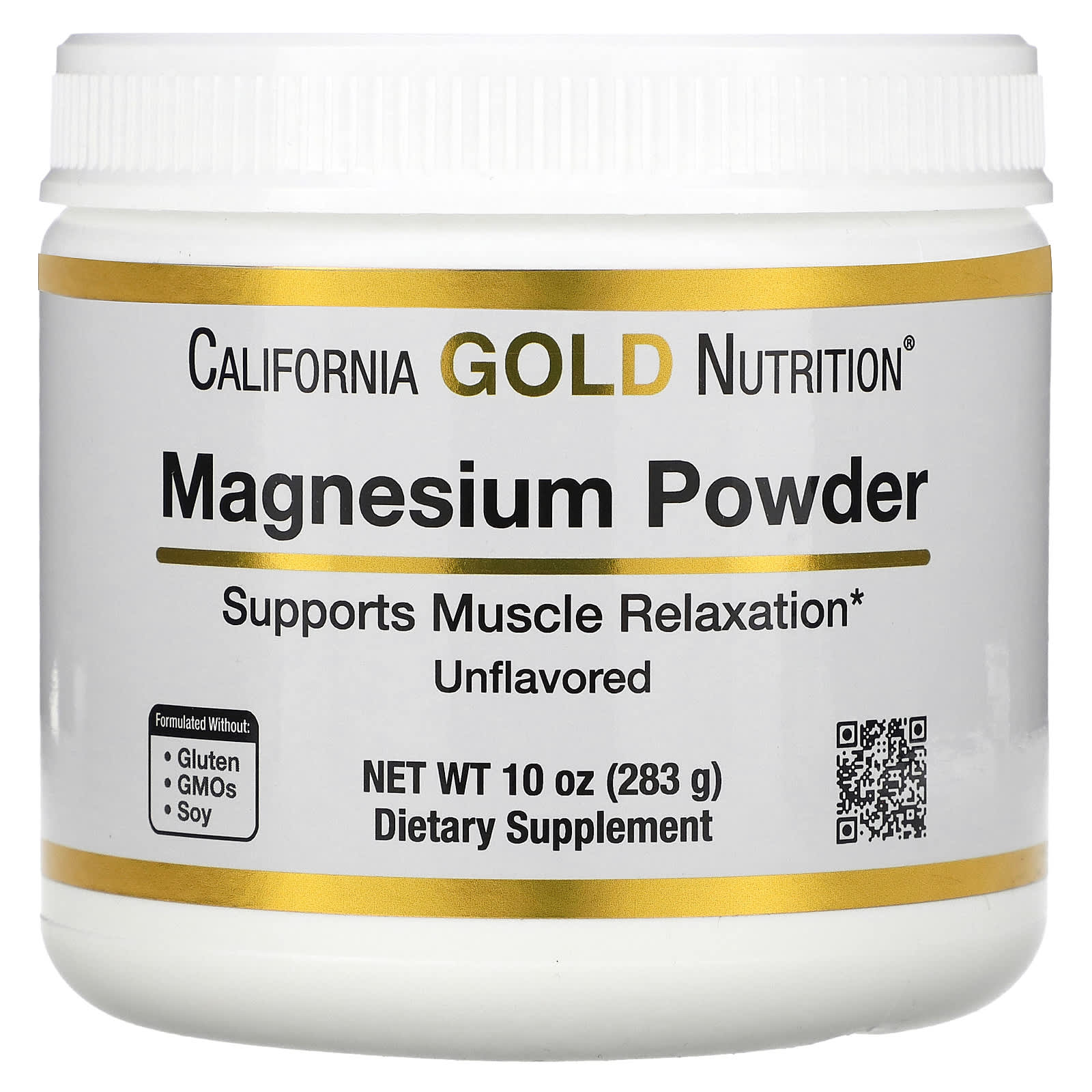
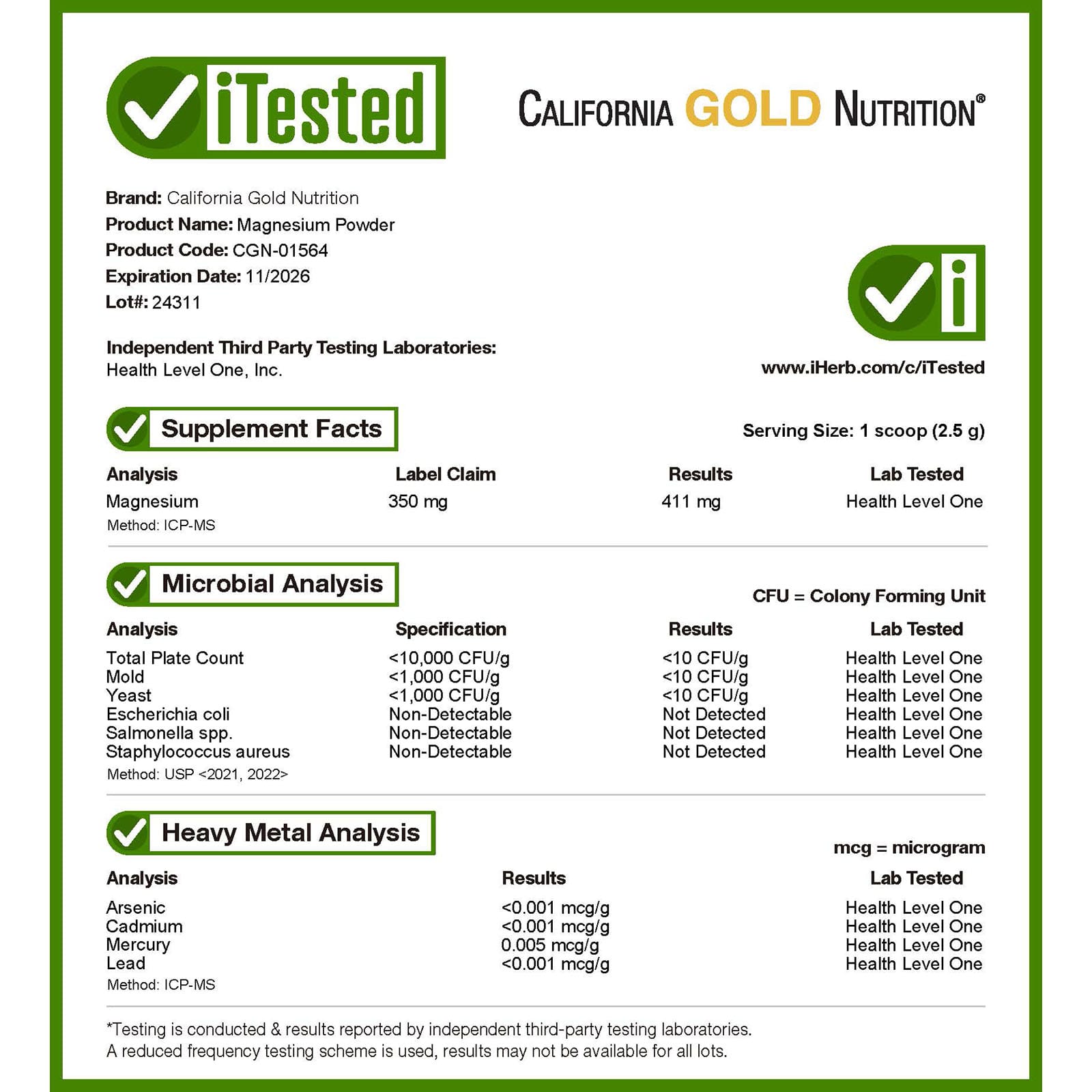
- Supplements: Magnesium glycinate and magnesium citrate are highly bioavailable forms that are particularly effective for mental health.
- Topical Applications: Magnesium oil or Epsom salt baths can help you absorb magnesium through the skin while promoting relaxation.
What the Research Says
Several studies have highlighted the connection between magnesium and mental health:
- A 2017 study published in PLOS ONE found that magnesium supplementation significantly reduced symptoms of depression and anxiety in adults with mild-to-moderate depression.
- Research in Neuropharmacology showed that magnesium deficiency can lead to increased anxiety and stress-related behaviors, while supplementation can reverse these effects.
Conclusion
If you’re struggling with anxiety, depression, or stress, magnesium could be the natural solution you’ve been searching for. From regulating neurotransmitters and reducing stress to improving sleep and supporting brain function, magnesium plays a multifaceted role in promoting mental well-being. By addressing potential deficiencies and incorporating magnesium into your routine, you can take a significant step toward better mental health.
References:
- Tarleton, E. K., Littenberg, B., MacLean, C. D., Kennedy, A. G., & Daley, C. (2017). Role of magnesium supplementation in the treatment of depression: A randomized clinical trial. PLOS ONE, 12(6), e0180067. https://doi.org/10.1371/journal.pone.0180067
- Pochwat, B., Szewczyk, B., Sowa-Kućma, M., Siwek, A., Doboszewska, U., Piekoszewski, W., ... & Nowak, G. (2014). Antidepressant-like activity of magnesium in the chronic mild stress model in rats: Alterations in the NMDA receptor subunits. Neuropharmacology, 82, 397-405. https://doi.org/10.1016/j.neuropharm.2014.01.022




No comments:
Post a Comment