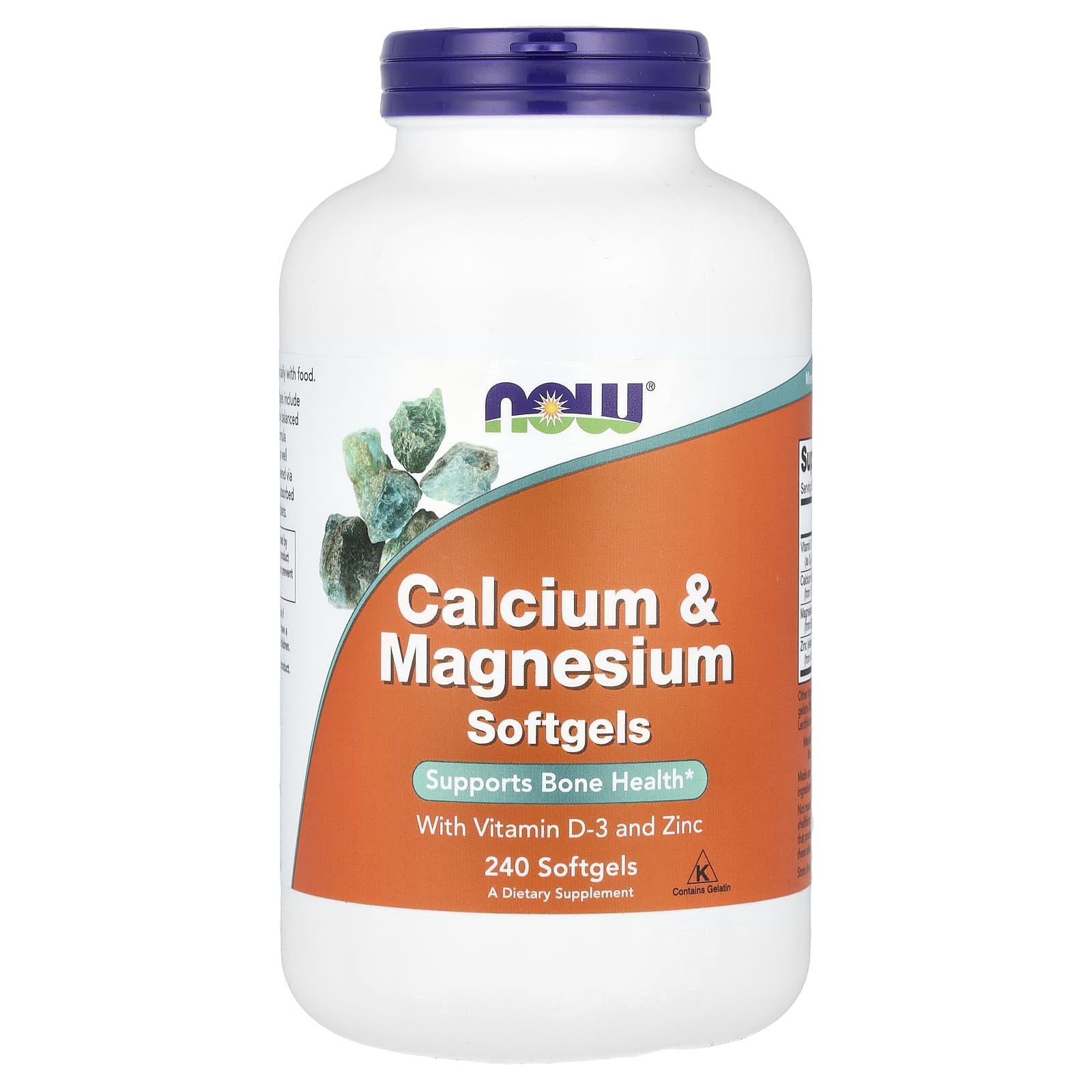
When it comes to bone health, calcium often takes center stage. But did you know that magnesium is just as important for maintaining strong, healthy bones? This essential mineral plays a critical role in bone formation, density, and overall skeletal health. Unfortunately, many people overlook magnesium, leading to deficiencies that can compromise bone strength over time. Let’s explore how magnesium can help support your bone health and why it deserves a place in your wellness routine.
*This page contains affiliate links. If you click and purchase, I may earn a commission at no extra cost to you.*
What is Magnesium and Why is it Important for Bone Health?
Magnesium is a vital mineral involved in over 300 biochemical reactions in the body, including energy production, muscle function, and nerve signaling. It’s also essential for bone health, as it helps regulate calcium levels, supports bone density, and plays a role in the activation of vitamin D. Without adequate magnesium, your bones may become weak and brittle, increasing the risk of fractures and osteoporosis.
How Magnesium Supports Bone Health
Here’s a closer look at the science-backed ways magnesium can help with bone health:
1. Enhances Calcium Absorption
Calcium is the primary building block of bones, but it can’t do its job without magnesium. Magnesium helps convert vitamin D into its active form, which is necessary for calcium absorption in the gut. Without enough magnesium, calcium may not be properly utilized, leading to weaker bones.
2. Supports Bone Density
Bone density is a key indicator of bone strength and health. Magnesium plays a direct role in bone formation by stimulating the activity of osteoblasts, the cells responsible for building new bone. Studies have shown that higher magnesium intake is associated with greater bone mineral density, reducing the risk of osteoporosis and fractures.
3. Regulates Parathyroid Hormone
Parathyroid hormone (PTH) helps regulate calcium levels in the blood, but excessive PTH can lead to bone loss. Magnesium helps keep PTH levels in check, ensuring that calcium is properly distributed to the bones rather than being leached from them.
4. Reduces Inflammation
Chronic inflammation can contribute to bone loss and osteoporosis. Magnesium has anti-inflammatory properties that help protect bones from damage caused by inflammation. By reducing inflammation, magnesium supports overall bone health.
5. Prevents Osteoporosis
Osteoporosis, a condition characterized by weak and brittle bones, is a major concern, especially for older adults. Magnesium helps maintain bone strength and density, reducing the risk of osteoporosis. Research has shown that magnesium supplementation can improve bone health in individuals at risk for osteoporosis.
Signs You Might Be Deficient in Magnesium
If you’re concerned about your bone health, it’s worth considering whether you might be deficient in magnesium. Common signs of magnesium deficiency include:
- Frequent bone fractures or breaks
- Joint pain or stiffness
- Muscle cramps or spasms
- Fatigue and low energy
- Weak or brittle nails
How to Incorporate Magnesium for Better Bone Health
There are several ways to increase your magnesium intake to support bone health:
- Diet: Include magnesium-rich foods like leafy greens (spinach, kale), nuts and seeds (almonds, pumpkin seeds), whole grains (quinoa, brown rice), and legumes (black beans, chickpeas).
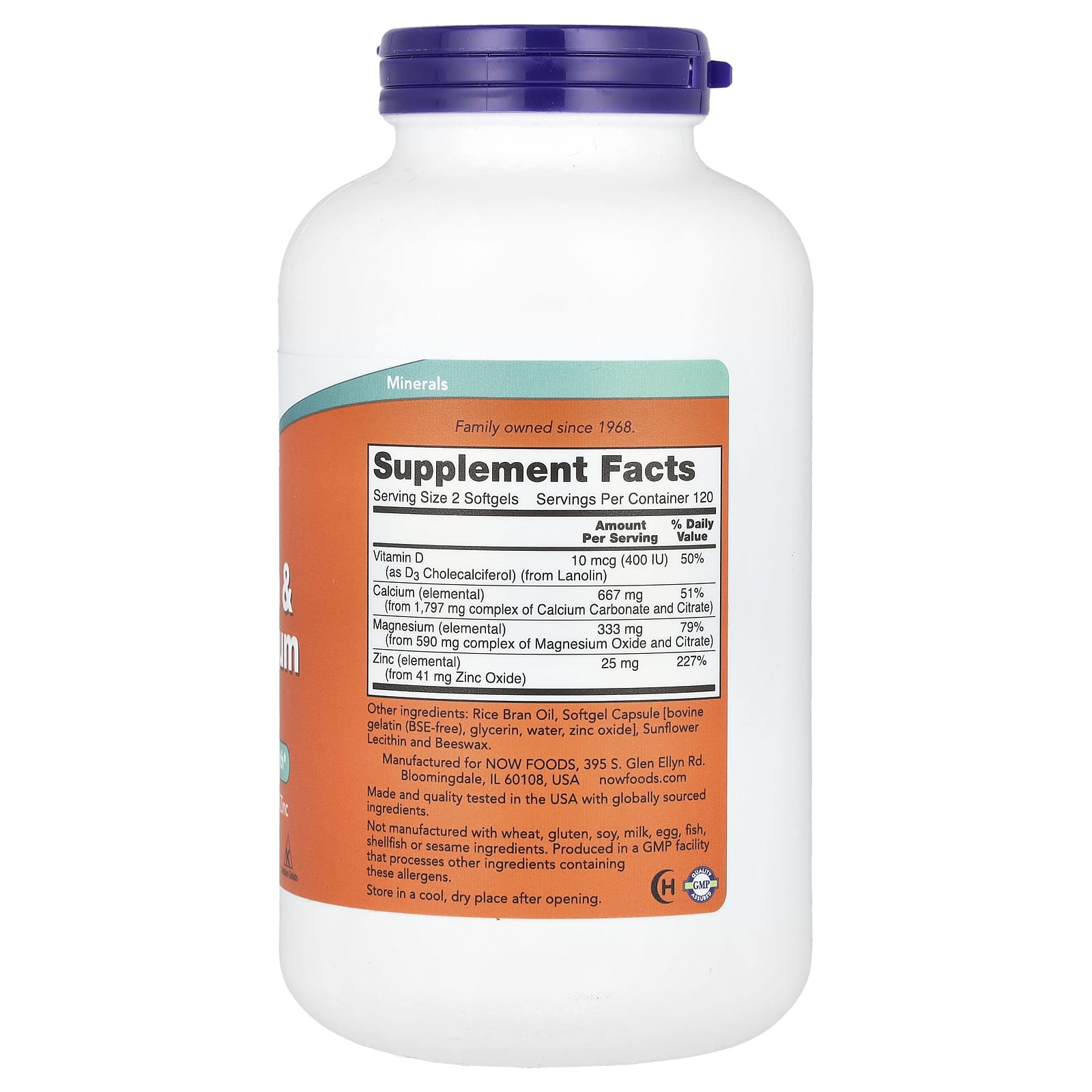
- Supplements: Magnesium citrate, glycinate, and malate are popular forms that are particularly effective for bone health.
- Topical Applications: Magnesium oil or Epsom salt baths can help you absorb magnesium through the skin while promoting relaxation.
What the Research Says
Several studies have highlighted the connection between magnesium and bone health:
- A 2014 study published in Osteoporosis International found that higher dietary magnesium intake was associated with greater bone mineral density in both men and women.
- Research in the Journal of the American College of Nutrition showed that magnesium supplementation improved bone health markers in postmenopausal women with osteoporosis.
Conclusion
Magnesium is a powerful ally in the fight for strong, healthy bones. From enhancing calcium absorption and supporting bone density to reducing inflammation and preventing osteoporosis, this essential mineral plays a multifaceted role in promoting bone health. By addressing potential deficiencies and incorporating magnesium into your routine, you can take a proactive step toward better bone health and overall well-being.
References:
- Castiglioni, S., Cazzaniga, A., Albisetti, W., & Maier, J. A. (2013). Magnesium and osteoporosis: Current state of knowledge and future research directions. Nutrients, 5(8), 3022-3033. https://doi.org/10.3390/nu5083022
- Rude, R. K., Singer, F. R., & Gruber, H. E. (2009). Skeletal and hormonal effects of magnesium deficiency. Journal of the American College of Nutrition, 28(2), 131-141. https://doi.org/10.1080/07315724.2009.10719764




No comments:
Post a Comment