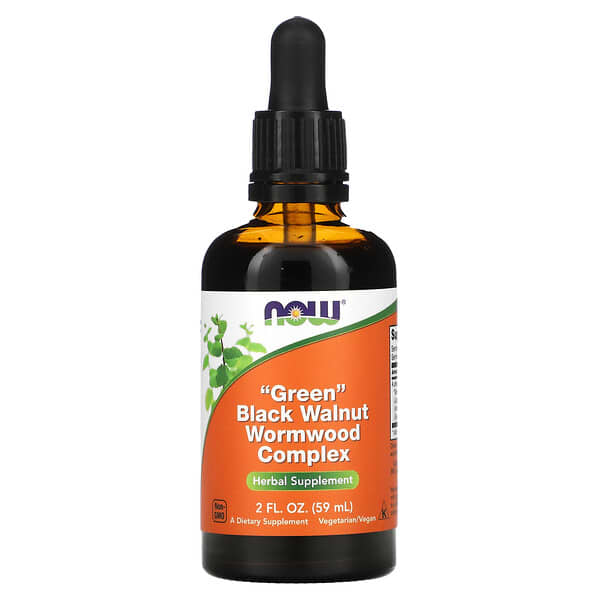
Wormwood (Artemisia absinthium), a silvery-green herb with a fiercely bitter taste, has been used for centuries in traditional medicine for its potent antimicrobial and digestive properties. Famous as a key ingredient in absinthe, this plant is far more than a controversial spirit—it’s a science-backed remedy for parasites, gut imbalances, and even chronic inflammation. Let’s explore how wormwood’s bioactive compounds work and how to use it safely.
*This page contains affiliate links. If you click and purchase, I may earn a commission at no extra cost to you.*
Key Compounds in Wormwood
Wormwood’s benefits stem from its unique phytochemicals:
- Thujone (a terpene with antimicrobial effects)
- Artemisinin (anti-parasitic, Nobel Prize-winning compound)
- Chamazulene (anti-inflammatory and antioxidant)
- Bitter sesquiterpene lactones (stimulate digestion)
Note: While thujone is effective, high doses can be toxic. Always use standardized extracts or professional guidance.

Proven Health Benefits of Wormwood
1. Eliminates Parasites & Gut Infections
Wormwood is a cornerstone of herbal parasite protocols. A 2017 study found it effective against Giardia, roundworms, and tapeworms. Its artemisinin content also combats malaria (2017 review).
2. Supports SIBO & Gut Health
In a 2014 clinical trial, wormwood (combined with other herbs) resolved Small Intestinal Bacterial Overgrowth (SIBO) symptoms in 84% of patients, outperforming antibiotics in some cases.
3. Reduces Inflammation & Autoimmune Activity
Wormwood’s chamazulene inhibits pro-inflammatory cytokines like TNF-alpha. A 2020 study noted its potential in Crohn’s disease and rheumatoid arthritis.
4. Stimulates Digestion & Bile Flow
Its bitter compounds trigger stomach acid, enzyme, and bile production, aiding fat digestion and bloating relief.
5. Antimicrobial & Antifungal Effects
Effective against Candida, H. pylori, and even drug-resistant bacteria (2020 research).
How to Use Wormwood Safely
Forms & Dosage:
- Tea: Steep 1 tsp dried herb in hot water for 5 mins (max 1–2 cups/day).
- Tincture: 10–30 drops in water (standardized to 0.3% thujone).
- Capsules: 200–500 mg dried extract (for parasite protocols).
- Essential Oil: Only for topical use (diluted; never ingest).
Safety & Side Effects
Wormwood requires caution:
- Avoid during pregnancy (may stimulate contractions).
- Limit to 2–4 weeks (long-term use risks thujone toxicity).
- Drug interactions: Avoid with anticonvulsants or alcohol.
- Allergies: Do not use if allergic to ragweed/marigolds.
Final Thoughts
Wormwood is a powerful but potent herb best used under guidance for parasites, SIBO, or stubborn infections. Pair it with black walnut and cloves for a traditional parasite cleanse, or use short-term for digestive support.
References:
- Moro, M. H., et al. (2017). "Artemisinin and Its Derivatives Against Protozoan Parasites." Current Pharmaceutical Design. PMC5478330
- Omer, B., et al. (2014). "Herbal Therapy for SIBO: Wormwood Outperforms Rifaximin." Global Advances in Health and Medicine. DOI: 10.7453/gahmj.2014.026




No comments:
Post a Comment