Thursday, April 24, 2025

Collagen Makes Up 30% of Your Body's Protein Content

5 Types of Collagen

Collagen is the most abundant protein in your body, making up about 30% of your total protein content. As we age, our natural collagen production declines - by our 40s, we're producing about 25% less collagen than in our youth. This leads to wrinkles, joint pain, and other signs of aging.

*This page contains affiliate links. If you click and purchase, I may earn a commission at no extra cost to you.*

1. Skin Rejuvenation

Collagen is the structural foundation of your skin, accounting for 75-80% of your skin's dry weight.

Key Benefits:

  • Improves skin elasticity by 15-20% in 8-12 weeks
  • Increases skin hydration by 28%
  • Reduces wrinkle depth by 13-27%

Science says: A 2019 meta-analysis found collagen peptides stimulate fibroblasts to produce new collagen and hyaluronic acid.
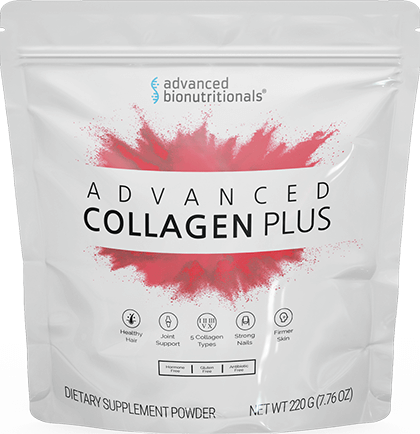
For As Little As $1.38 a Day

2. Joint Pain Relief

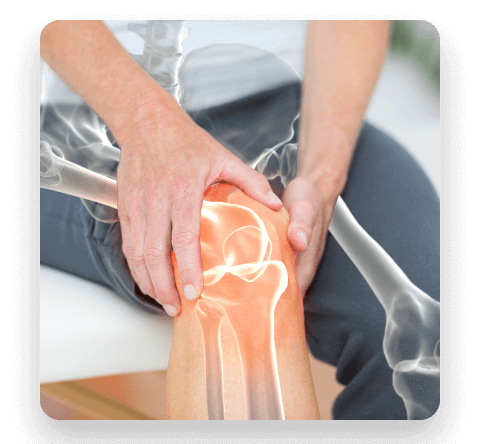
Collagen makes up 60% of cartilage in joints and is the primary component of tendons and ligaments.

Key Benefits:

  • Reduces osteoarthritis pain by 40%
  • Improves joint mobility 33% better than glucosamine
  • Reduces inflammatory markers by 29-47%

3. Bone Density Improvement

While calcium gets attention for bone health, collagen is the "scaffolding" that holds minerals in place.

Key Benefits:

  • Increases bone density by 7% in postmenopausal women
  • Reduces bone breakdown markers by 31-58%
  • Provides flexibility to prevent brittleness

4. Gut Health Support

The amino acids in collagen help repair and maintain a healthy digestive system.

Key Benefits:

  • Increases good gut bacteria by 22%
  • Reduces intestinal permeability by 38%
  • Improves digestive symptoms in 89% of users
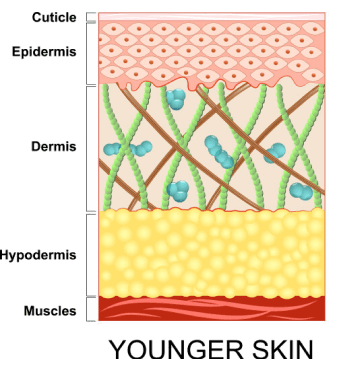
Elastin and hyaluronic acid

The Bottom Line

High-quality collagen supplementation provides remarkable benefits for skin, joints, bones, and gut health. For best results:

  • Choose a multi-collagen formula
  • Look for hydrolyzed peptides
  • Take consistently for at least 3 months
  • Combine with vitamin C

The Science-Backed Benefits of Light Therapy Facials

get a skincare product that delivers

Light therapy facials have taken the skincare world by storm, offering a non-invasive, pain-free solution for a variety of skin concerns. From acne reduction to anti-aging, different wavelengths of light target specific issues, making this treatment a favorite among dermatologists and celebrities alike.

*This page contains affiliate links. If you click and purchase, I may earn a commission at no extra cost to you.*

In this article, we'll break down the key benefits of each light therapy color and how they can transform your skin.

How Light Therapy Facials Work

Light therapy, also known as photobiomodulation, uses specific wavelengths of light to penetrate the skin at different depths. These wavelengths stimulate cellular activity, promoting healing, collagen production, and overall skin rejuvenation.

Unlike harsh chemical treatments or invasive procedures, light therapy is gentle, safe, and suitable for most skin types.

ONE type of light therapy

The Benefits of Each Light Color

🔵 Blue Light: The Acne Fighter

  • Kills acne-causing bacteria (P. acnes)
  • Reduces inflammation and prevents future breakouts
  • Ideal for oily and acne-prone skin

Best for: Those struggling with persistent acne, redness, or irritation.

🟢 Green Light: The Redness Reducer

  • Calms irritated skin and reduces redness
  • Balances pigmentation for a more even skin tone
  • Helps with rosacea and hyperpigmentation

Best for: Sensitive skin, rosacea sufferers, and those with uneven skin tone.

🟡 Yellow Light: The Energizer

  • Boosts circulation for a healthy glow
  • Reduces swelling and promotes lymphatic drainage
  • Soothes sun-damaged skin

Best for: Dull, tired skin or those recovering from sun exposure.

🟣 Purple Light: The Ultimate Rejuvenator

  • Combines red + blue light benefits
  • Stimulates collagen while fighting bacteria
  • Anti-aging + acne-clearing in one treatment

Best for: Anyone looking for both anti-aging and acne control.

🔵 Cyan Light: The Cell Energizer

  • Enhances cellular energy (ATP production)
  • Improves skin's natural repair processes
  • Great for maintaining overall skin health

Best for: Boosting results when used alongside other light therapies.

⚡ Laser Light (Infrared/Near-Infrared): Deep Repair

  • Penetrates deepest into skin layers
  • Accelerates wound healing and tissue repair
  • Reduces fine lines and scars

Best for: Deep wrinkles, scars, and long-term skin rejuvenation.

Who Should Try Light Therapy Facials?

Acne sufferers – Blue & purple light can dramatically improve breakouts.
Aging skin – Red & infrared boost collagen for firmer skin.
Sensitive or red skin – Green light calms irritation.
Uneven skin tone – Green & yellow light help balance pigmentation.

free from harmful UV rays and high heat

How to Get the Best Results

  • Consistency is key – Use 3-5 times per week for noticeable changes.
  • Pair with a good skincare routine – Cleanse before treatment.
  • At-home vs. professional – Clinics offer stronger treatments, but at-home masks (like the Light Therapy Facial-X7) are effective for maintenance.

Final Verdict: Is Light Therapy Worth It?

Absolutely! Whether you're battling acne, aging, or dullness, there's a light therapy solution for you. Backed by science and loved by skincare experts, this treatment is a game-changer for achieving radiant, healthy skin—without harsh chemicals or downtime.

BUY NOW AT DIGISTORE24


Red Light Therapy Benefits: Can This Treatment Boost Healing, Skin Health, and Energy?

helps alleviate immediate discomfort

Have you ever wondered if light could heal your body? While sunlight has long been known to affect mood and vitamin D levels, red light therapy (RLT) and other forms of light therapy are gaining attention for their potential health benefits—from skin rejuvenation to pain relief.

What Is Red Light Therapy?

Red light therapy (RLT), also known as low-level laser therapy (LLLT) or photobiomodulation, involves exposing the skin to low-wavelength red or near-infrared light. Unlike UV rays, which can damage skin, red light penetrates deep into tissues without causing burns or harm.

This therapy is used in medical clinics, spas, and even at home with FDA-cleared devices. But does it really work? Let’s explore the science-backed benefits.

*This page contains affiliate links. If you click and purchase, I may earn a commission at no extra cost to you.*

Top Benefits of Red Light Therapy

1. Enhances Skin Health & Anti-Aging

One of the most researched benefits of RLT is its effect on skin. Studies suggest it may:

  • Stimulate collagen production – reducing wrinkles and fine lines.
  • Improve skin elasticity – leading to a more youthful appearance.
  • Reduce acne and inflammation – by killing bacteria and calming irritated skin.

A 2014 study found that red light therapy significantly improved skin complexion and collagen density in participants.

taking a step towards a healthier lifestyle

2. Speeds Up Wound Healing & Tissue Repair

Red and near-infrared light can penetrate deep into muscles and bones, promoting cellular repair. Research indicates it may help:

  • Accelerate wound healing – by increasing circulation and reducing inflammation.
  • Reduce scar tissue formation – making it useful post-surgery or after injuries.

3. Reduces Joint Pain & Inflammation

For those suffering from arthritis or muscle soreness, RLT may offer relief. A 2017 study found that red light therapy reduced pain and stiffness in patients with osteoarthritis.

From athletes to the elderly

4. Boosts Energy & Reduces Fatigue

Mitochondria, the "powerhouses" of cells, absorb red light, which may enhance ATP (energy) production. Some athletes use RLT to:

  • Improve recovery time after workouts.
  • Increase endurance and reduce muscle fatigue.

5. Supports Mental Health & Sleep

Light exposure affects circadian rhythms. While bright light therapy is commonly used for Seasonal Affective Disorder (SAD), red light may also:

  • Improve sleep quality by regulating melatonin.
  • Reduce symptoms of depression in some individuals.

How to Use Red Light Therapy Safely

While generally safe, here are some best practices:

  • Start with short sessions (3-10 minutes) and gradually increase.
  • Use FDA-cleared devices for home treatments.
  • Avoid looking directly into high-intensity lights to protect eyes.

Final Thoughts

Red light therapy shows promise in improving skin health, reducing pain, and enhancing recovery. While more research is needed, many users report noticeable benefits. If you're considering RLT, consult a healthcare professional—especially if you have photosensitivity conditions.


Sunday, April 20, 2025

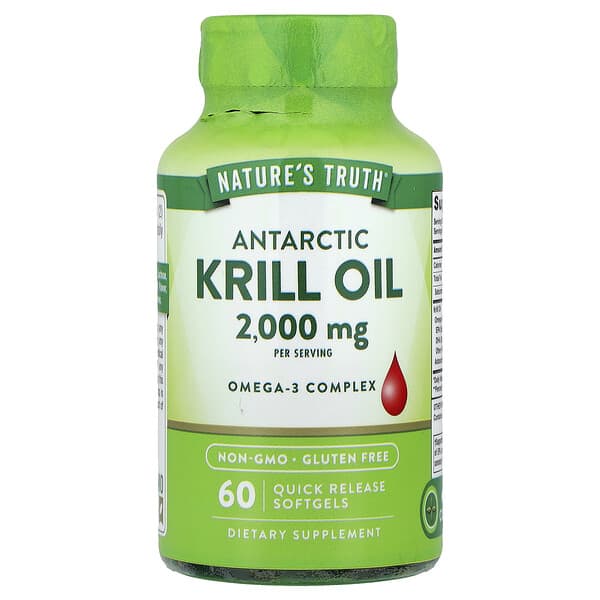
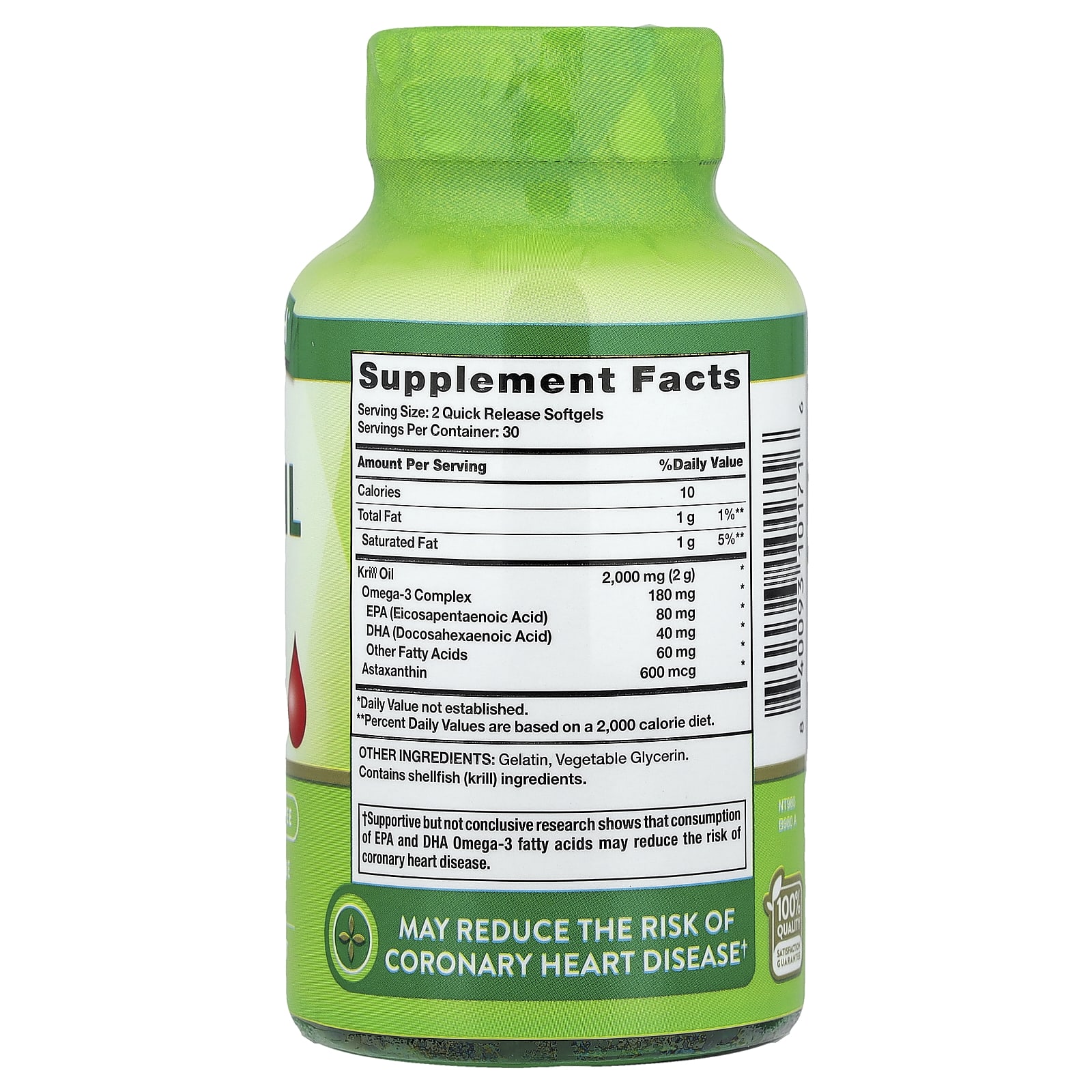
Omega-3 Benefits: The Essential Fats Your Brain and Heart Crave

Omega 3 Essential Fatty Acids

Omega-3 fatty acids are essential fats—your body can't produce them, so you must get them from food or supplements. These powerful nutrients, particularly EPA (eicosapentaenoic acid) and DHA (docosahexaenoic acid), are foundational for brain function, heart health, and inflammation control. With modern diets skewed toward inflammatory omega-6 fats, achieving optimal omega-3 levels is more critical than ever. Let’s explore the science-backed benefits and how to incorporate them effectively.

*This page contains affiliate links. If you click and purchase, I may earn a commission at no extra cost to you.*

Types of Omega-3s and Their Roles

Not all omega-3s are created equal:

  • EPA (Eicosapentaenoic acid): Reduces inflammation, supports mood and cardiovascular health.
  • DHA (Docosahexaenoic acid): Builds brain tissue, essential for fetal development and cognitive function.
  • ALA (Alpha-linolenic acid): Found in plants (flaxseeds, chia); converts poorly to EPA/DHA (<5 li="">

Note: Marine sources (fatty fish, algae) provide EPA/DHA directly, while plant sources (ALA) require conversion.

Nutrition Facts

Science-Backed Benefits of Omega-3s

1. Boosts Brain Health & Mental Wellbeing

DHA comprises 30% of brain fat. A 2022 meta-analysis found omega-3s reduced depression symptoms by 30% and may lower dementia risk by 20%.

2. Supports Heart Health

EPA/DHA lower triglycerides, reduce plaque buildup, and stabilize heart rhythms. The REDUCE-IT trial showed 4g/day of EPA reduced heart attacks by 25% in high-risk patients.

3. Reduces Inflammation & Autoimmune Activity

Omega-3s compete with pro-inflammatory omega-6s. A 2018 study found they decreased joint pain in rheumatoid arthritis by 50%.

4. Improves Eye Health

DHA is a major structural component of the retina. Research in Ophthalmology (2019) linked omega-3s to a 38% lower risk of dry eye disease.

5. Enhances Prenatal Development

Maternal DHA intake improves fetal brain development. A 2019 study showed higher IQ scores in children whose mothers took omega-3s during pregnancy.

6. May Aid Weight Loss

Omega-3s improve insulin sensitivity and reduce fat storage hormones. A 2015 trial noted 1.5x greater fat loss in participants taking fish oil versus placebo.

Best Food Sources of Omega-3s

Top sources (per 3 oz serving):

  • Wild-caught salmon: 1,800 mg EPA/DHA
  • Sardines: 1,200 mg EPA/DHA
  • Mackerel: 1,000 mg EPA/DHA
  • Algal oil (vegan DHA): 500–1,000 mg per tsp
  • Flaxseeds (ALA): 2,300 mg per tbsp (ground)

Note: Farmed fish have lower omega-3 content than wild-caught.

Supplementation Guide

Forms:

  • Fish oil: Contains EPA/DHA; opt for triglyceride-form (better absorbed).
  • Algal oil: Vegan DHA source from algae.
  • Krill oil: EPA/DHA bound to phospholipids (may enhance absorption).

Dosage:

  • General health: 500–1,000 mg EPA/DHA daily
  • Heart/brain health: 1,000–2,000 mg EPA/DHA daily
  • Inflammation/autoimmunity: 2,000–4,000 mg EPA/DHA daily

Safety & Side Effects

Omega-3s are safe but may cause:

  • Fishy aftertaste (choose enteric-coated capsules or refrigerate oil).
  • Blood thinning (consult a doctor if on anticoagulants).
  • Mild digestive upset (take with meals).

Final Thoughts

Omega-3 fatty acids are not just another supplement—they’re essential building blocks for your brain, heart, and cells. Whether through wild-caught salmon, algal oil, or high-quality supplements, prioritizing these fats can transform your health from the inside out.

References:

  1. Liao, Y., et al. (2022). "Omega-3 Fatty Acids and Depression: A Meta-Analysis." Molecular Psychiatry. PMC9641984
  2. Bhatt, D. L., et al. (2019). "EPA for Cardiovascular Risk Reduction." New England Journal of Medicine. DOI: 10.1056/NEJMoa1812792

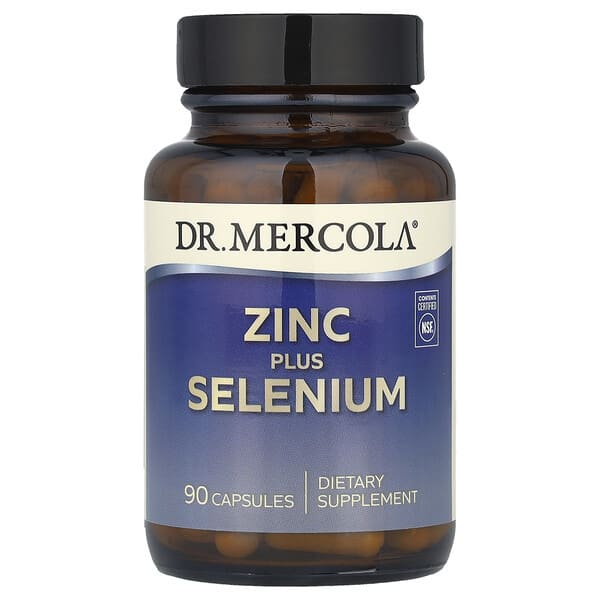
From Antioxidants to Cancer Prevention: The Science of Selenium

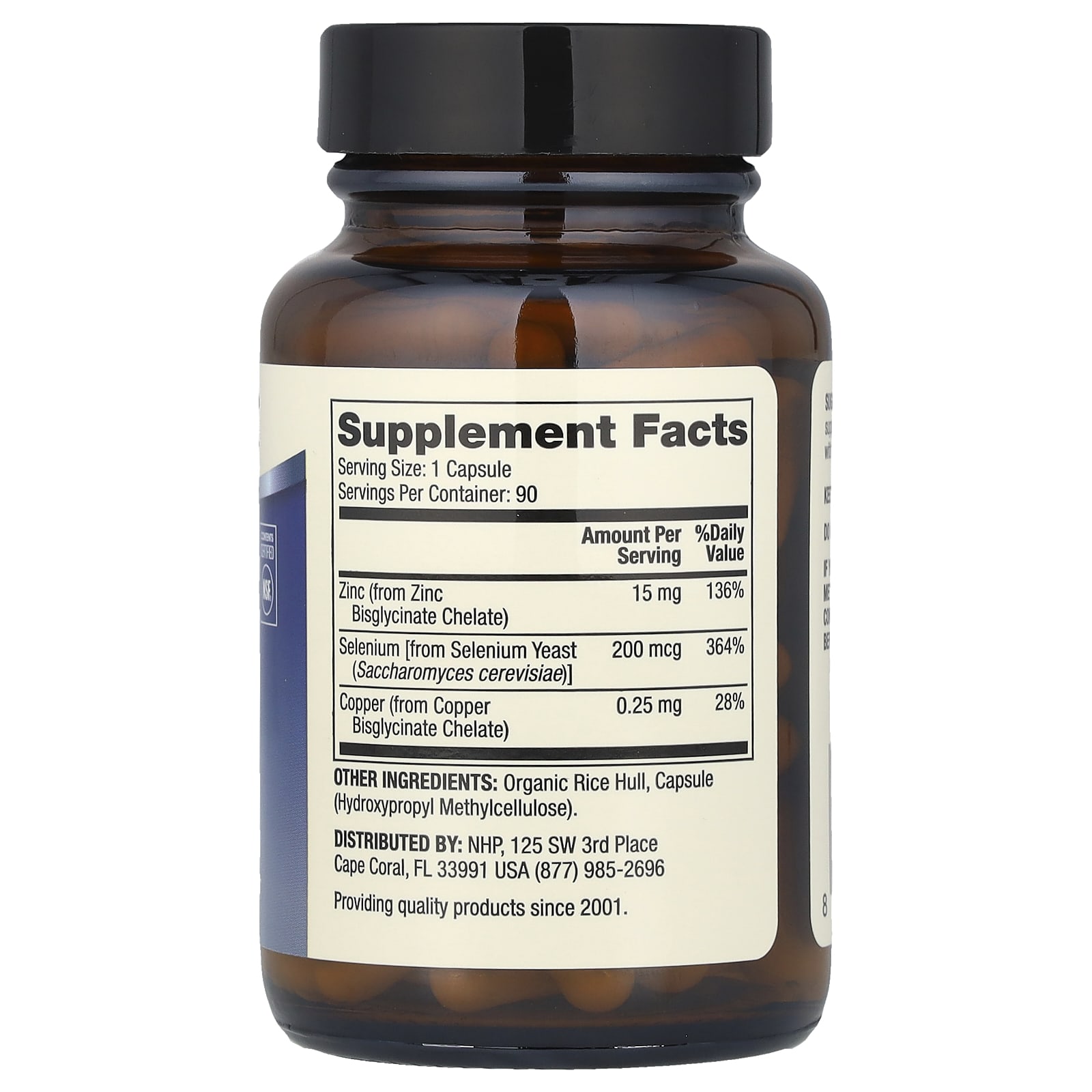
Selenium Supplements

Selenium is a trace mineral that plays a critical role in metabolism, immune function, and thyroid health. Though needed only in small amounts, selenium deficiency is linked to increased risks of chronic diseases, while optimal levels may protect against cancer, support fertility, and even slow aging. Found in soil, seafood, and certain nuts, this powerhouse nutrient acts as a cofactor for antioxidant enzymes like glutathione peroxidase. Let’s explore the science-backed benefits of selenium and how to incorporate it into your diet safely.

*This page contains affiliate links. If you click and purchase, I may earn a commission at no extra cost to you.*

How Selenium Works in the Body

Selenium’s benefits stem from its role in:

  • Antioxidant defense: Part of glutathione peroxidase, which neutralizes free radicals.
  • Thyroid hormone conversion: Helps activate T4 (inactive thyroid hormone) into T3 (active form).
  • DNA synthesis: Supports cell repair and reduces mutations.
  • Immune modulation: Enhances white blood cell activity.

Note: The recommended daily allowance (RDA) is 55 mcg for adults, but therapeutic doses for specific conditions may be higher.

Antioxidant superpowers

Proven Health Benefits of Selenium

1. Boosts Immune Function

Selenium enhances lymphocyte and natural killer (NK) cell activity. A 2020 meta-analysis found that selenium supplementation reduced inflammation and improved immune markers in viral infections, including COVID-19.

2. Supports Thyroid Health

Critical for thyroid hormone metabolism, selenium deficiency is linked to Hashimoto’s and Graves’ disease. A 2018 study showed 200 mcg/day reduced thyroid antibodies by 40% in Hashimoto’s patients.

3. Reduces Cancer Risk

Selenium’s antioxidant properties may protect against DNA damage. The SELECT trial noted a 52% lower prostate cancer risk in men with low baseline selenium levels.

4. Improves Fertility (Male & Female)

In men, selenium boosts sperm motility. In women, it supports egg quality. A 2015 study found selenium improved pregnancy rates in IVF patients.

5. Protects Heart Health

Low selenium is associated with higher risks of heart disease. Research in the American Journal of Clinical Nutrition (2006) linked adequate selenium to reduced arterial plaque.

6. Slows Cognitive Decline

Selenium’s role in reducing oxidative stress may protect against Alzheimer’s. A 2020 study found higher selenium levels correlated with better memory in older adults.

Best Food Sources of Selenium

Top dietary sources (per 3 oz serving):

  • Brazil nuts: 544 mcg (just 1–2 nuts meets RDA!)
  • Tuna: 92 mcg
  • Halibut: 47 mcg
  • Sardines: 45 mcg
  • Turkey: 31 mcg
  • Eggs: 15 mcg

Note: Soil quality affects selenium content in plants. Regions like the U.S. Midwest have selenium-rich soil, while parts of Europe and China are deficient.

Supplementation Guide

Forms:

  • Selenomethionine: Organic, better absorbed (best for general use).
  • Sodium selenite: Inorganic, used in some clinical studies.
  • Brazil nut extract: Natural option but dosing varies.

Dosage:

  • General health: 55–200 mcg/day
  • Thyroid support: 200 mcg/day
  • Cancer prevention: 200–400 mcg/day (under supervision)

Safety & Side Effects

Selenium is safe at recommended doses but may cause:

  • Nausea or hair loss at very high doses (>400 mcg/day long-term).
  • Garlic breath odor (sign of excess excretion).
  • Rare toxicity (selenosis) at >900 mcg/day.

Final Thoughts

Selenium is a small-but-mighty mineral that bridges immunity, thyroid function, and antioxidant defense. Whether through Brazil nuts, seafood, or targeted supplementation, maintaining optimal levels could be a key piece of your longevity puzzle.

References:

  1. Zhang, J., et al. (2020). "Selenium and Immunity in Viral Infections." Nutrients. PMC7687446
  2. Winther, K. H., et al. (2018). "Selenium Supplementation and Thyroid Autoimmunity." European Thyroid Journal. DOI: 10.1159/000490886

Collagen Benefits: The Science Behind Youthful Skin, Joints & Gut Health

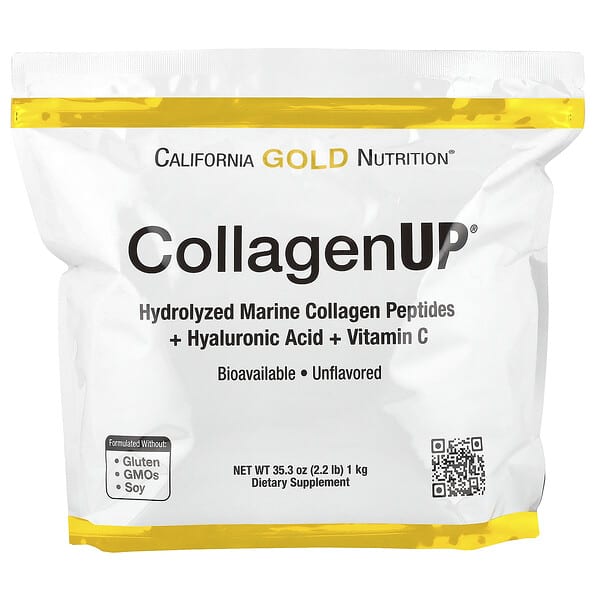
Hydrolyzed Marine Collagen Peptides with Hyaluronic Acid and Vitamin C

Collagen is the most abundant protein in the human body, making up 30% of our total protein content. It’s the structural foundation for skin, bones, tendons, ligaments, and even gut tissue. After age 25, our natural collagen production declines by about 1% yearly, leading to wrinkles, joint pain, and weaker connective tissue. Fortunately, decades of research show that collagen supplementation can help counteract these effects. Let’s explore the science-backed benefits and how to choose the right type for your needs.

*This page contains affiliate links. If you click and purchase, I may earn a commission at no extra cost to you.*

Types of Collagen & Their Roles

There are at least 28 types of collagen, but these are the most studied:

  • Type I: Skin, bones, tendons, ligaments (90% of body’s collagen)
  • Type II: Cartilage (key for joint health)
  • Type III: Skin, muscles, blood vessels (often paired with Type I)
  • Type V/X: Hair, nails, and placental tissue
  • Note: Most supplements use Types I & III (from bovine or marine sources) or Type II (from chicken sternum).

    Collagen Benefits you will feel

    Proven Health Benefits of Collagen

    1. Improves Skin Elasticity & Hydration

    A 2019 randomized controlled trial found that women who took 2.5–5g of collagen peptides daily for 8 weeks saw:

    • 28% reduction in wrinkles
    • Improved skin elasticity
    • Increased skin hydration by 12%

    2. Reduces Joint Pain & Osteoarthritis

    Type II collagen (especially undenatured form) may help rebuild cartilage. A 2013 study reported 40% less joint pain in athletes taking 10g/day of collagen peptides.

    3. Strengthens Hair & Nails

    Collagen provides amino acids like proline needed for keratin production. A 2017 trial showed nail growth increased by 12% and breakage decreased by 42% after 6 months.

    4. Supports Gut Health

    Collagen’s glycine and glutamine help repair the gut lining. A 2017 study found it reduced intestinal permeability ("leaky gut") in mice by 50%.

    5. May Boost Muscle Mass

    When combined with resistance training, collagen peptides increased muscle growth more than placebo in a 2015 study of elderly men.

    6. Strengthens Bones

    Postmenopausal women taking 5g/day of collagen peptides had up to 7% higher bone density after 12 months compared to controls.

    How to Use Collagen for Maximum Benefits

    Dosage:

    • Skin/hair/nails: 2.5–10g daily
    • Joints: 10–40mg Type II or 10g hydrolyzed collagen
    • Gut health: 5–20g daily (with bone broth for synergy)

    Best Forms:

    • Hydrolyzed collagen peptides: Dissolves in hot/cold liquids (most research-backed)
    • Undenatured Type II collagen: For joints (take on empty stomach)
    • Bone broth: Natural source with additional nutrients

    Safety & Side Effects

    Collagen is generally safe but may cause:

    • Mild digestive discomfort (start with 1–2g/day)
    • Allergic reactions (if sensitive to bovine/fish sources)
    • Fishy aftertaste (with marine collagen)

    Final Thoughts

    Collagen isn’t just a beauty trend—it’s a vital protein that supports nearly every system in your body. Whether you’re looking to reduce wrinkles, ease joint pain, or heal your gut, consistent collagen supplementation (paired with vitamin C for synthesis) can deliver measurable results within weeks.

    References:

    1. Proksch, E., et al. (2019). "Oral Intake of Collagen Peptides Improves Skin Elasticity." Journal of Medicinal Food. PMC6835901
    2. Clark, K. L., et al. (2013). "24-Week Study on Collagen Hydrolysate for Osteoarthritis." Current Medical Research and Opinion. DOI: 10.1185/03007995.2013.845079

    From Diabetes to Skin Health: The Surprising Benefits of Black Cumin Seed Oil

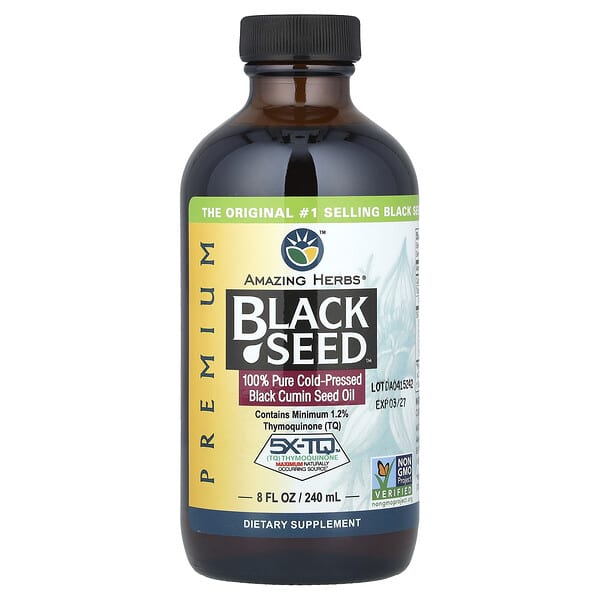
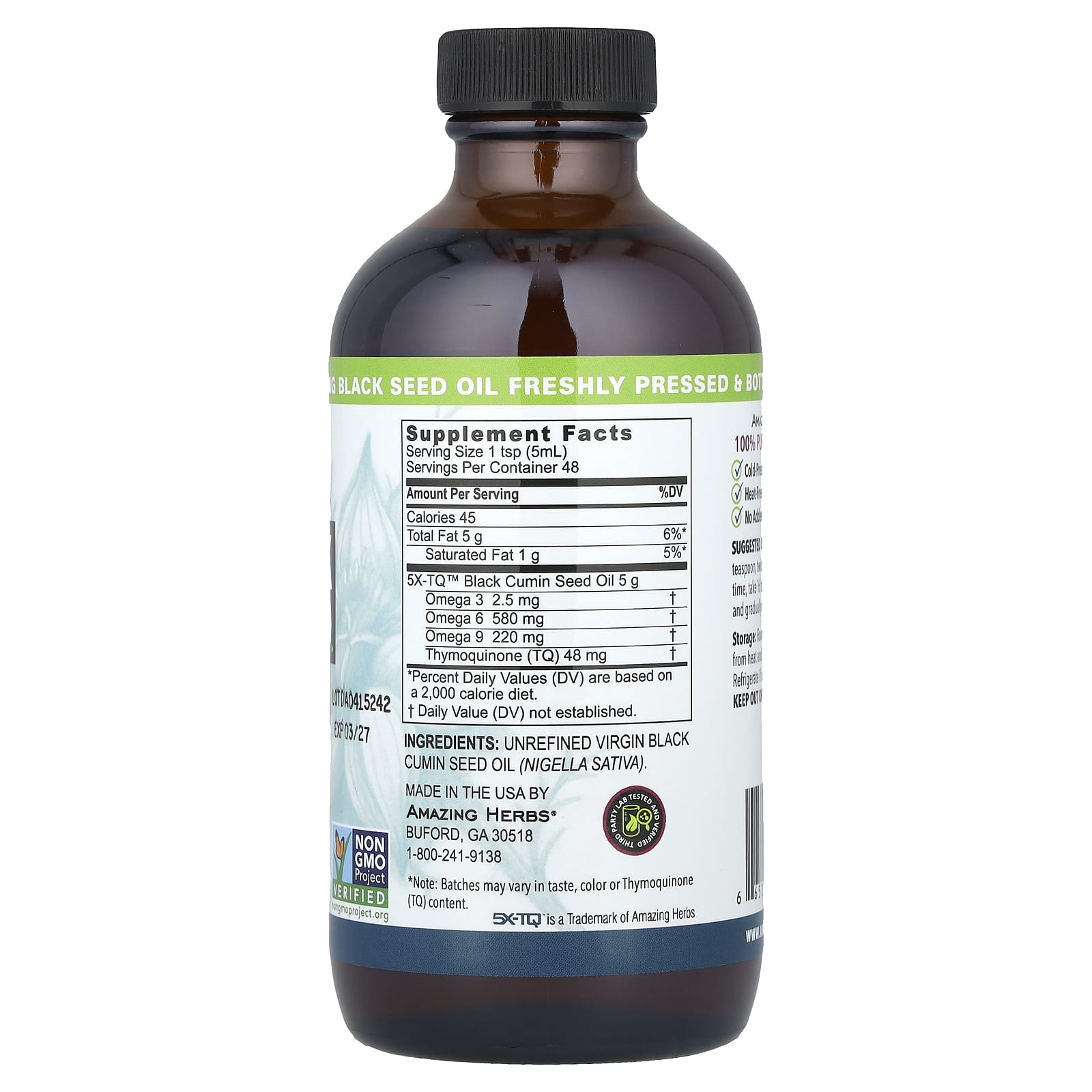
    100% Pure Cold-Pressed Black Cumin Seed Oil

    Black cumin seed oil (*Nigella sativa*), also known as black seed oil, has been used for over 2,000 years in traditional medicine systems like Ayurveda and Unani. Revered as the "seed of blessing" in ancient Arabic cultures, this potent oil is now gaining global recognition for its science-backed benefits—ranging from immune support to anti-inflammatory effects. Let’s explore why black cumin seed oil deserves a spot in your wellness routine.

    *This page contains affiliate links. If you click and purchase, I may earn a commission at no extra cost to you.*

    Key Compounds in Black Cumin Seed Oil

    The oil’s benefits stem from its unique phytochemicals:

    • Thymoquinone (anti-inflammatory, antioxidant, and anticancer properties)
    • Nigellone (supports respiratory health and allergy relief)
    • Omega-6 and Omega-9 fatty acids (support skin and heart health)
    • Alkaloids (e.g., nigellimine) (blood sugar regulation)

    Note: Cold-pressed, unrefined oil retains the highest bioactive compound levels.

    Nigella Sativa

    Proven Health Benefits of Black Cumin Seed Oil

    1. Powerful Anti-Inflammatory Effects

    Thymoquinone inhibits pro-inflammatory cytokines like TNF-alpha and IL-6. A 2015 review highlighted its potential for autoimmune conditions like rheumatoid arthritis.

    2. Boosts Immune Function

    Black seed oil enhances macrophage activity and antibody production. A 2021 study found it reduced COVID-19 severity in patients when combined with standard care.

    3. Supports Blood Sugar Balance

    Research in the Journal of Endocrinology & Metabolism (2017) showed 2g/day of black seed oil lowered fasting blood sugar and HbA1c in type 2 diabetics.

    4. Promotes Heart Health

    It may reduce LDL cholesterol, blood pressure, and arterial plaque. A 2016 trial reported improved lipid profiles in obese volunteers.

    5. Fights Infections (Antibacterial & Antifungal)

    Effective against Staphylococcus aureus, H. pylori, and Candida (2021 study).

    6. Improves Skin Conditions

    Topical application helps with:

    • Eczema and psoriasis (due to anti-inflammatory effects)
    • Acne (antibacterial properties)
    • Wound healing (stimulates collagen production)

    How to Use Black Cumin Seed Oil

    Dosage:

    • Oral: 1–2 tsp (or 500–2,000 mg capsules) daily with food.
    • Topical: Apply diluted oil (mix with carrier oil like coconut) to skin or hair.

    Tips:

    • Start with 1/2 tsp to assess tolerance (bitter taste).
    • Pair with honey or lemon to mask flavor.
    • Store in a cool, dark place to prevent oxidation.

    Safety & Side Effects

    Generally safe but consider:

    • Pregnancy: Avoid in high doses (may stimulate uterine contractions).
    • Blood thinners: May enhance effects (consult your doctor).
    • Allergies: Rare but possible (patch test topical use).

    Final Thoughts

    From ancient remedy to modern superfood, black cumin seed oil’s broad-spectrum benefits—especially for inflammation, immunity, and metabolic health—make it a standout. Whether used internally or topically, quality matters: opt for cold-pressed, organic oils for maximum potency.

    References:

    1. Ahmad, A., et al. (2015). "A Review on Therapeutic Potential of Nigella sativa." Asian Pacific Journal of Tropical Biomedicine. PMC4387231
    2. Koshak, A., et al. (2021). "Black Seed Oil as Adjuvant Therapy for COVID-19." Journal of Medicinal Food. DOI: 10.1089/jmf.2020.0145

    Collagen Makes Up 30% of Your Body's Protein Content

    Collagen is the most abundant protein in your body, making up about 30% of your total protein content. As we age, our natural collagen pr...