
Have you ever wondered if light could heal your body? While sunlight has long been known to affect mood and vitamin D levels, red light therapy (RLT) and other forms of light therapy are gaining attention for their potential health benefits—from skin rejuvenation to pain relief.
What Is Red Light Therapy?
Red light therapy (RLT), also known as low-level laser therapy (LLLT) or photobiomodulation, involves exposing the skin to low-wavelength red or near-infrared light. Unlike UV rays, which can damage skin, red light penetrates deep into tissues without causing burns or harm.
This therapy is used in medical clinics, spas, and even at home with FDA-cleared devices. But does it really work? Let’s explore the science-backed benefits.
*This page contains affiliate links. If you click and purchase, I may earn a commission at no extra cost to you.*
Top Benefits of Red Light Therapy
1. Enhances Skin Health & Anti-Aging
One of the most researched benefits of RLT is its effect on skin. Studies suggest it may:
- Stimulate collagen production – reducing wrinkles and fine lines.
- Improve skin elasticity – leading to a more youthful appearance.
- Reduce acne and inflammation – by killing bacteria and calming irritated skin.
A 2014 study found that red light therapy significantly improved skin complexion and collagen density in participants.

2. Speeds Up Wound Healing & Tissue Repair
Red and near-infrared light can penetrate deep into muscles and bones, promoting cellular repair. Research indicates it may help:
- Accelerate wound healing – by increasing circulation and reducing inflammation.
- Reduce scar tissue formation – making it useful post-surgery or after injuries.
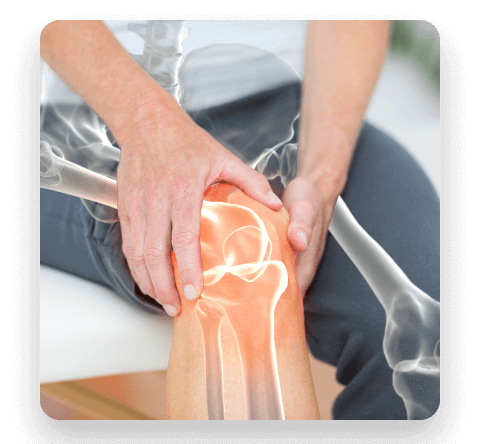
3. Reduces Joint Pain & Inflammation
For those suffering from arthritis or muscle soreness, RLT may offer relief. A 2017 study found that red light therapy reduced pain and stiffness in patients with osteoarthritis.

4. Boosts Energy & Reduces Fatigue
Mitochondria, the "powerhouses" of cells, absorb red light, which may enhance ATP (energy) production. Some athletes use RLT to:
- Improve recovery time after workouts.
- Increase endurance and reduce muscle fatigue.
5. Supports Mental Health & Sleep
Light exposure affects circadian rhythms. While bright light therapy is commonly used for Seasonal Affective Disorder (SAD), red light may also:
- Improve sleep quality by regulating melatonin.
- Reduce symptoms of depression in some individuals.
How to Use Red Light Therapy Safely
While generally safe, here are some best practices:
- Start with short sessions (3-10 minutes) and gradually increase.
- Use FDA-cleared devices for home treatments.
- Avoid looking directly into high-intensity lights to protect eyes.
Final Thoughts
Red light therapy shows promise in improving skin health, reducing pain, and enhancing recovery. While more research is needed, many users report noticeable benefits. If you're considering RLT, consult a healthcare professional—especially if you have photosensitivity conditions.



No comments:
Post a Comment