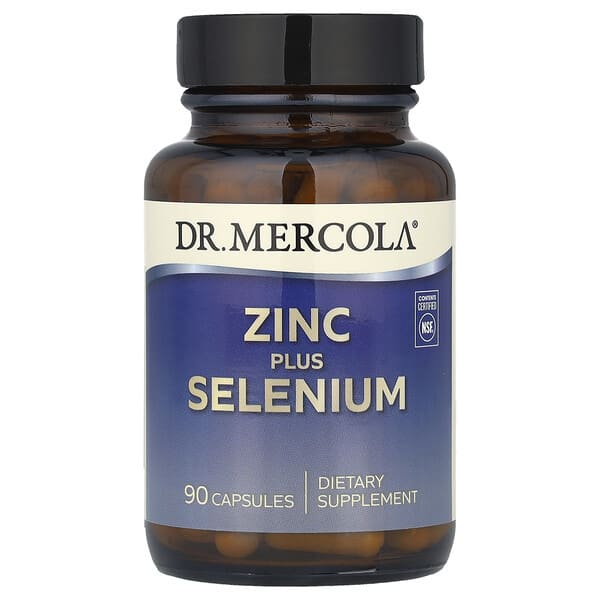
Selenium is a trace mineral that plays a critical role in metabolism, immune function, and thyroid health. Though needed only in small amounts, selenium deficiency is linked to increased risks of chronic diseases, while optimal levels may protect against cancer, support fertility, and even slow aging. Found in soil, seafood, and certain nuts, this powerhouse nutrient acts as a cofactor for antioxidant enzymes like glutathione peroxidase. Let’s explore the science-backed benefits of selenium and how to incorporate it into your diet safely.
*This page contains affiliate links. If you click and purchase, I may earn a commission at no extra cost to you.*
How Selenium Works in the Body
Selenium’s benefits stem from its role in:
- Antioxidant defense: Part of glutathione peroxidase, which neutralizes free radicals.
- Thyroid hormone conversion: Helps activate T4 (inactive thyroid hormone) into T3 (active form).
- DNA synthesis: Supports cell repair and reduces mutations.
- Immune modulation: Enhances white blood cell activity.
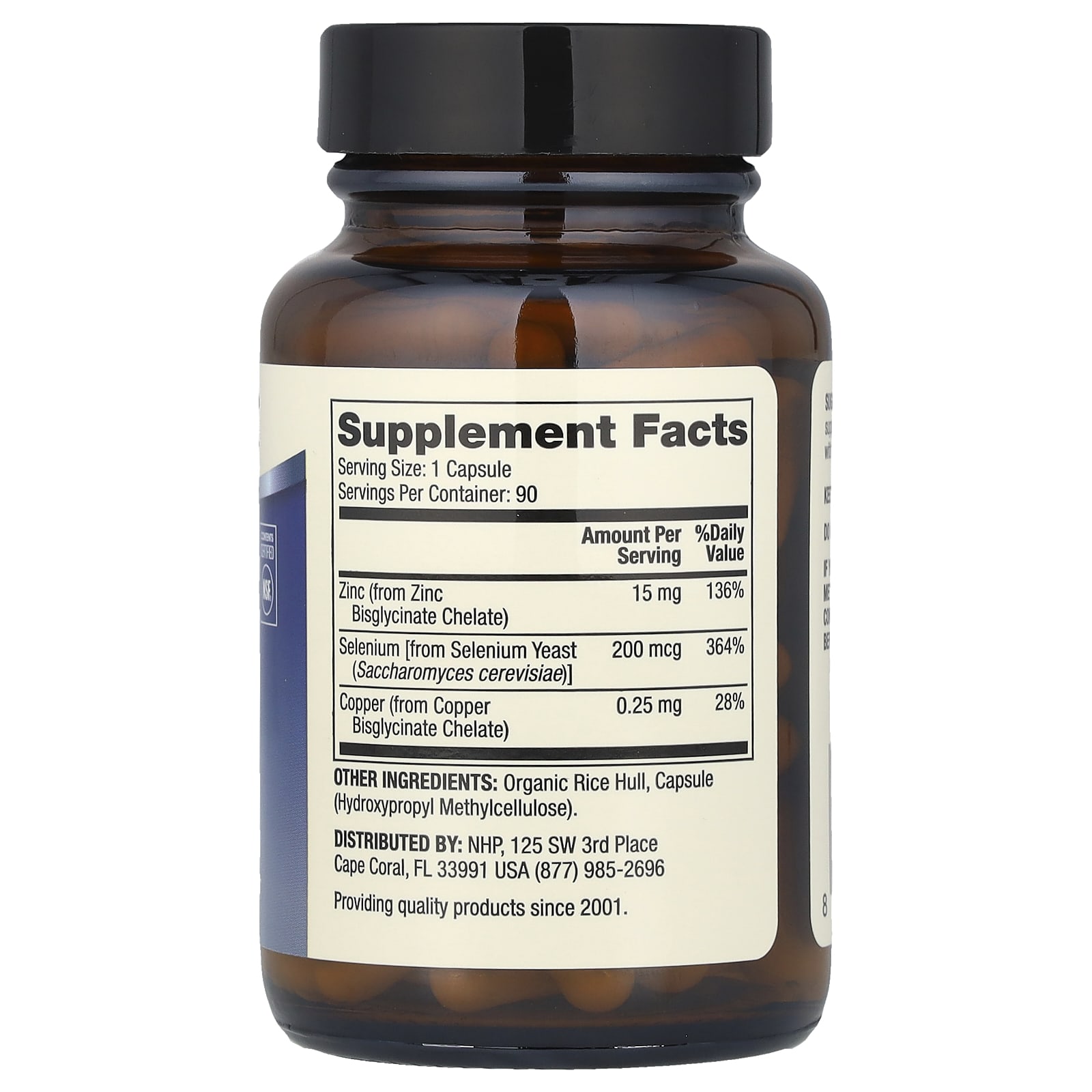
Note: The recommended daily allowance (RDA) is 55 mcg for adults, but therapeutic doses for specific conditions may be higher.
Proven Health Benefits of Selenium
1. Boosts Immune Function
Selenium enhances lymphocyte and natural killer (NK) cell activity. A 2020 meta-analysis found that selenium supplementation reduced inflammation and improved immune markers in viral infections, including COVID-19.
2. Supports Thyroid Health
Critical for thyroid hormone metabolism, selenium deficiency is linked to Hashimoto’s and Graves’ disease. A 2018 study showed 200 mcg/day reduced thyroid antibodies by 40% in Hashimoto’s patients.
3. Reduces Cancer Risk
Selenium’s antioxidant properties may protect against DNA damage. The SELECT trial noted a 52% lower prostate cancer risk in men with low baseline selenium levels.
4. Improves Fertility (Male & Female)
In men, selenium boosts sperm motility. In women, it supports egg quality. A 2015 study found selenium improved pregnancy rates in IVF patients.
5. Protects Heart Health
Low selenium is associated with higher risks of heart disease. Research in the American Journal of Clinical Nutrition (2006) linked adequate selenium to reduced arterial plaque.
6. Slows Cognitive Decline
Selenium’s role in reducing oxidative stress may protect against Alzheimer’s. A 2020 study found higher selenium levels correlated with better memory in older adults.
Best Food Sources of Selenium
Top dietary sources (per 3 oz serving):
- Brazil nuts: 544 mcg (just 1–2 nuts meets RDA!)
- Tuna: 92 mcg
- Halibut: 47 mcg
- Sardines: 45 mcg
- Turkey: 31 mcg
- Eggs: 15 mcg
Note: Soil quality affects selenium content in plants. Regions like the U.S. Midwest have selenium-rich soil, while parts of Europe and China are deficient.
Supplementation Guide
Forms:
- Selenomethionine: Organic, better absorbed (best for general use).
- Sodium selenite: Inorganic, used in some clinical studies.
- Brazil nut extract: Natural option but dosing varies.
Dosage:
- General health: 55–200 mcg/day
- Thyroid support: 200 mcg/day
- Cancer prevention: 200–400 mcg/day (under supervision)
Safety & Side Effects
Selenium is safe at recommended doses but may cause:
- Nausea or hair loss at very high doses (>400 mcg/day long-term).
- Garlic breath odor (sign of excess excretion).
- Rare toxicity (selenosis) at >900 mcg/day.
Final Thoughts
Selenium is a small-but-mighty mineral that bridges immunity, thyroid function, and antioxidant defense. Whether through Brazil nuts, seafood, or targeted supplementation, maintaining optimal levels could be a key piece of your longevity puzzle.
References:
- Zhang, J., et al. (2020). "Selenium and Immunity in Viral Infections." Nutrients. PMC7687446
- Winther, K. H., et al. (2018). "Selenium Supplementation and Thyroid Autoimmunity." European Thyroid Journal. DOI: 10.1159/000490886



No comments:
Post a Comment