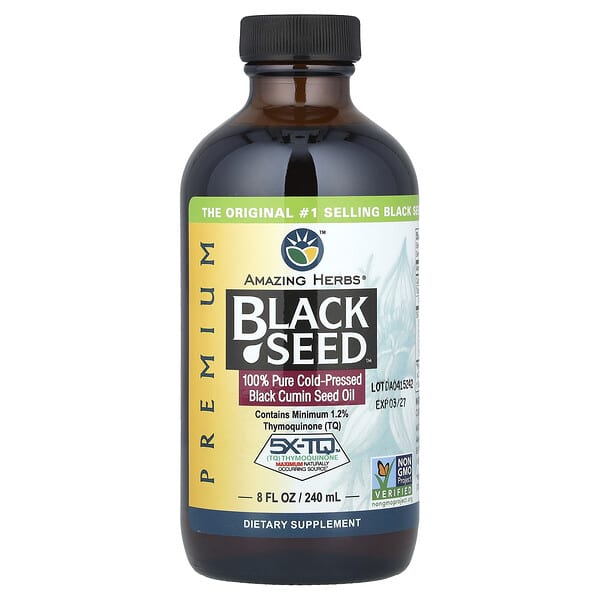
Black cumin seed oil (*Nigella sativa*), also known as black seed oil, has been used for over 2,000 years in traditional medicine systems like Ayurveda and Unani. Revered as the "seed of blessing" in ancient Arabic cultures, this potent oil is now gaining global recognition for its science-backed benefits—ranging from immune support to anti-inflammatory effects. Let’s explore why black cumin seed oil deserves a spot in your wellness routine.
*This page contains affiliate links. If you click and purchase, I may earn a commission at no extra cost to you.*
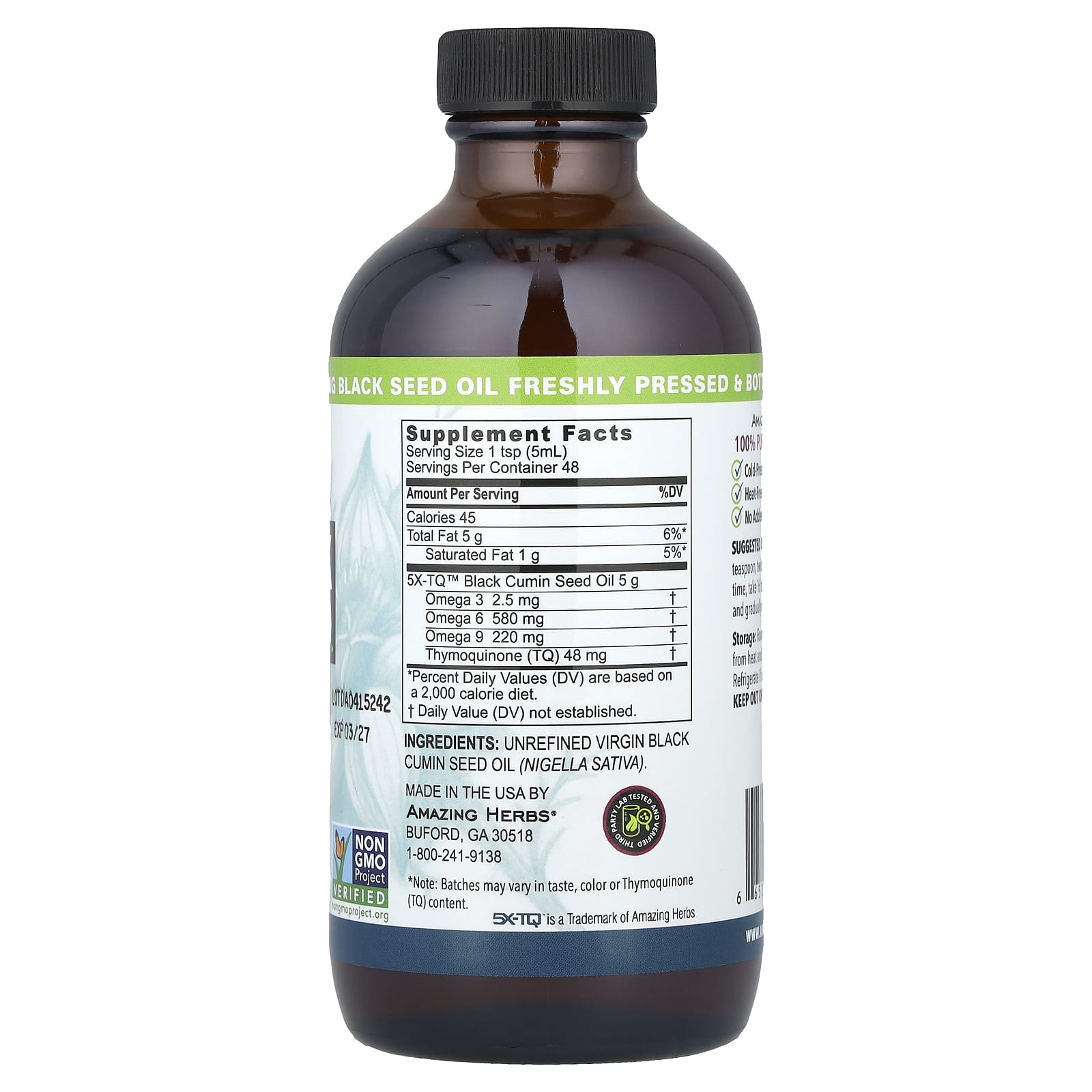
Key Compounds in Black Cumin Seed Oil
The oil’s benefits stem from its unique phytochemicals:
- Thymoquinone (anti-inflammatory, antioxidant, and anticancer properties)
- Nigellone (supports respiratory health and allergy relief)
- Omega-6 and Omega-9 fatty acids (support skin and heart health)
- Alkaloids (e.g., nigellimine) (blood sugar regulation)
Note: Cold-pressed, unrefined oil retains the highest bioactive compound levels.
Proven Health Benefits of Black Cumin Seed Oil
1. Powerful Anti-Inflammatory Effects
Thymoquinone inhibits pro-inflammatory cytokines like TNF-alpha and IL-6. A 2015 review highlighted its potential for autoimmune conditions like rheumatoid arthritis.
2. Boosts Immune Function
Black seed oil enhances macrophage activity and antibody production. A 2021 study found it reduced COVID-19 severity in patients when combined with standard care.
3. Supports Blood Sugar Balance
Research in the Journal of Endocrinology & Metabolism (2017) showed 2g/day of black seed oil lowered fasting blood sugar and HbA1c in type 2 diabetics.
4. Promotes Heart Health
It may reduce LDL cholesterol, blood pressure, and arterial plaque. A 2016 trial reported improved lipid profiles in obese volunteers.
5. Fights Infections (Antibacterial & Antifungal)
Effective against Staphylococcus aureus, H. pylori, and Candida (2021 study).
6. Improves Skin Conditions
Topical application helps with:
- Eczema and psoriasis (due to anti-inflammatory effects)
- Acne (antibacterial properties)
- Wound healing (stimulates collagen production)
How to Use Black Cumin Seed Oil
Dosage:
- Oral: 1–2 tsp (or 500–2,000 mg capsules) daily with food.
- Topical: Apply diluted oil (mix with carrier oil like coconut) to skin or hair.
Tips:
- Start with 1/2 tsp to assess tolerance (bitter taste).
- Pair with honey or lemon to mask flavor.
- Store in a cool, dark place to prevent oxidation.
Safety & Side Effects
Generally safe but consider:
- Pregnancy: Avoid in high doses (may stimulate uterine contractions).
- Blood thinners: May enhance effects (consult your doctor).
- Allergies: Rare but possible (patch test topical use).
Final Thoughts
From ancient remedy to modern superfood, black cumin seed oil’s broad-spectrum benefits—especially for inflammation, immunity, and metabolic health—make it a standout. Whether used internally or topically, quality matters: opt for cold-pressed, organic oils for maximum potency.
References:
- Ahmad, A., et al. (2015). "A Review on Therapeutic Potential of Nigella sativa." Asian Pacific Journal of Tropical Biomedicine. PMC4387231
- Koshak, A., et al. (2021). "Black Seed Oil as Adjuvant Therapy for COVID-19." Journal of Medicinal Food. DOI: 10.1089/jmf.2020.0145




No comments:
Post a Comment