Omega-3 fatty acids are essential fats—your body can't produce them, so you must get them from food or supplements. These powerful nutrients, particularly EPA (eicosapentaenoic acid) and DHA (docosahexaenoic acid), are foundational for brain function, heart health, and inflammation control. With modern diets skewed toward inflammatory omega-6 fats, achieving optimal omega-3 levels is more critical than ever. Let’s explore the science-backed benefits and how to incorporate them effectively.
*This page contains affiliate links. If you click and purchase, I may earn a commission at no extra cost to you.*
Types of Omega-3s and Their Roles
Not all omega-3s are created equal:
- EPA (Eicosapentaenoic acid): Reduces inflammation, supports mood and cardiovascular health.
- DHA (Docosahexaenoic acid): Builds brain tissue, essential for fetal development and cognitive function.
- ALA (Alpha-linolenic acid): Found in plants (flaxseeds, chia); converts poorly to EPA/DHA (<5 li="">
Note: Marine sources (fatty fish, algae) provide EPA/DHA directly, while plant sources (ALA) require conversion.
Science-Backed Benefits of Omega-3s
1. Boosts Brain Health & Mental Wellbeing
DHA comprises 30% of brain fat. A 2022 meta-analysis found omega-3s reduced depression symptoms by 30% and may lower dementia risk by 20%.
2. Supports Heart Health
EPA/DHA lower triglycerides, reduce plaque buildup, and stabilize heart rhythms. The REDUCE-IT trial showed 4g/day of EPA reduced heart attacks by 25% in high-risk patients.
3. Reduces Inflammation & Autoimmune Activity
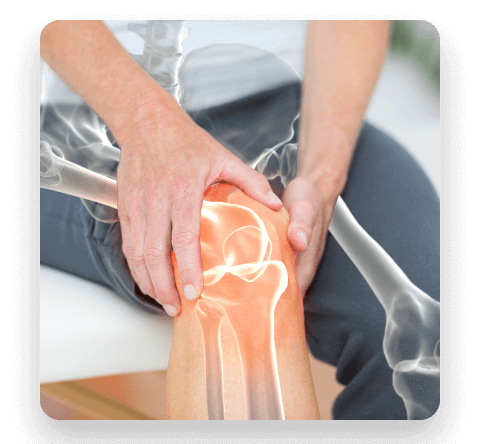
Omega-3s compete with pro-inflammatory omega-6s. A 2018 study found they decreased joint pain in rheumatoid arthritis by 50%.
4. Improves Eye Health
DHA is a major structural component of the retina. Research in Ophthalmology (2019) linked omega-3s to a 38% lower risk of dry eye disease.
5. Enhances Prenatal Development
Maternal DHA intake improves fetal brain development. A 2019 study showed higher IQ scores in children whose mothers took omega-3s during pregnancy.
6. May Aid Weight Loss
Omega-3s improve insulin sensitivity and reduce fat storage hormones. A 2015 trial noted 1.5x greater fat loss in participants taking fish oil versus placebo.
Best Food Sources of Omega-3s
Top sources (per 3 oz serving):
- Wild-caught salmon: 1,800 mg EPA/DHA
- Sardines: 1,200 mg EPA/DHA
- Mackerel: 1,000 mg EPA/DHA
- Algal oil (vegan DHA): 500–1,000 mg per tsp
- Flaxseeds (ALA): 2,300 mg per tbsp (ground)
Note: Farmed fish have lower omega-3 content than wild-caught.
Supplementation Guide
Forms:
- Fish oil: Contains EPA/DHA; opt for triglyceride-form (better absorbed).
- Algal oil: Vegan DHA source from algae.
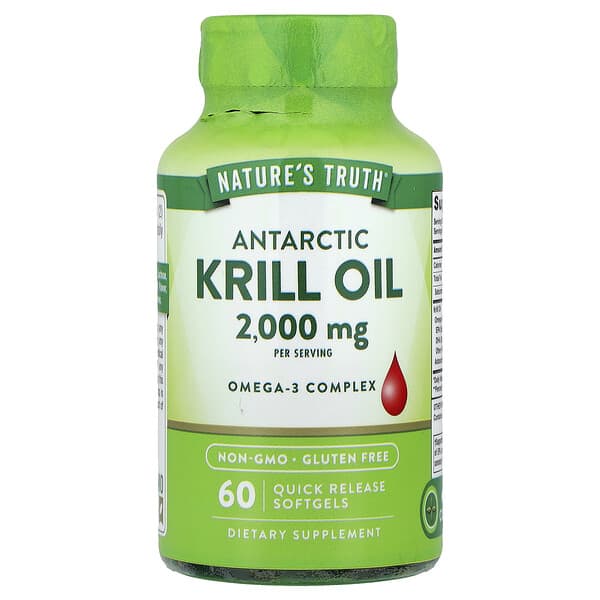
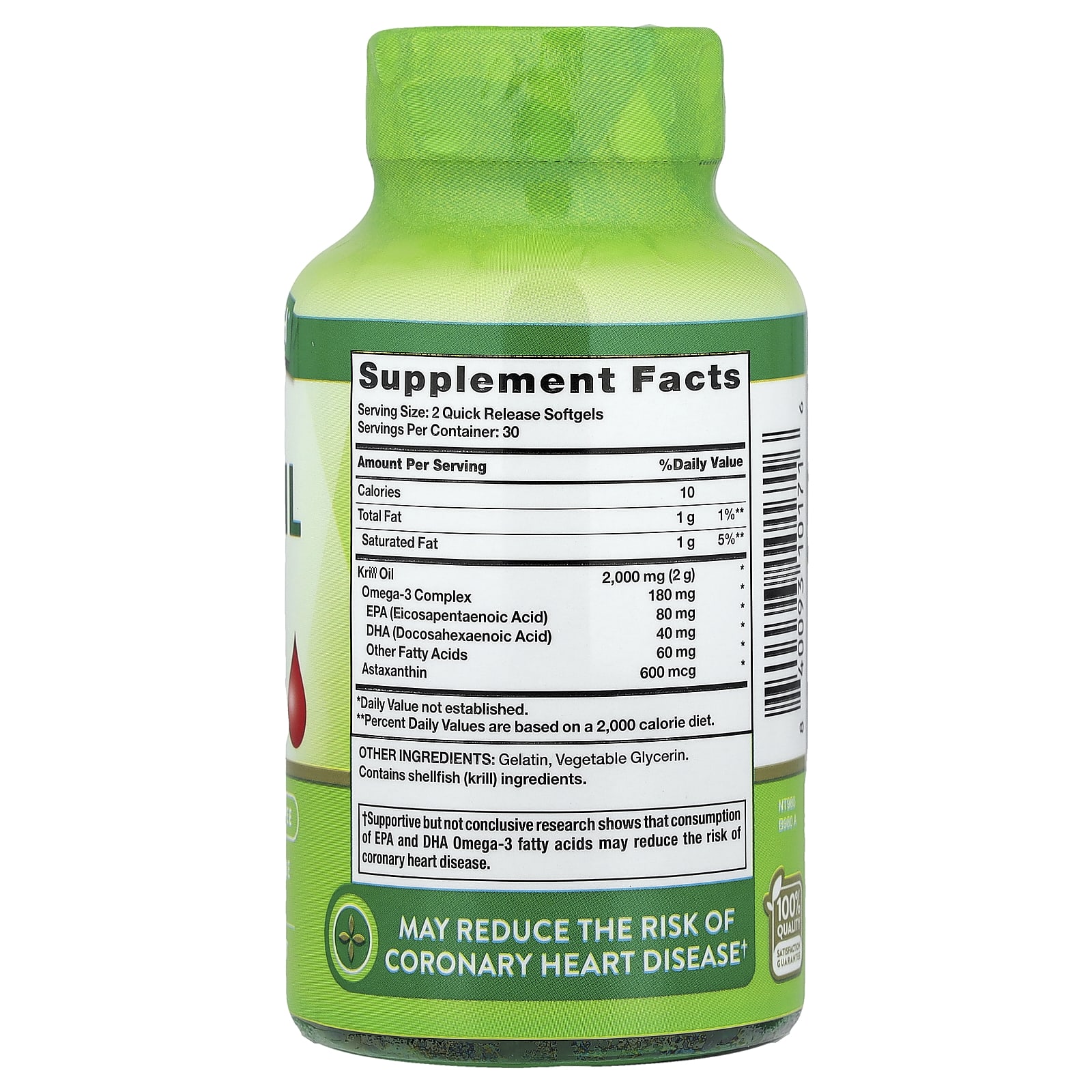
- Krill oil: EPA/DHA bound to phospholipids (may enhance absorption).
Dosage:
- General health: 500–1,000 mg EPA/DHA daily
- Heart/brain health: 1,000–2,000 mg EPA/DHA daily
- Inflammation/autoimmunity: 2,000–4,000 mg EPA/DHA daily
Safety & Side Effects
Omega-3s are safe but may cause:
- Fishy aftertaste (choose enteric-coated capsules or refrigerate oil).
- Blood thinning (consult a doctor if on anticoagulants).
- Mild digestive upset (take with meals).
Final Thoughts
Omega-3 fatty acids are not just another supplement—they’re essential building blocks for your brain, heart, and cells. Whether through wild-caught salmon, algal oil, or high-quality supplements, prioritizing these fats can transform your health from the inside out.
References:
- Liao, Y., et al. (2022). "Omega-3 Fatty Acids and Depression: A Meta-Analysis." Molecular Psychiatry. PMC9641984
- Bhatt, D. L., et al. (2019). "EPA for Cardiovascular Risk Reduction." New England Journal of Medicine. DOI: 10.1056/NEJMoa1812792



No comments:
Post a Comment