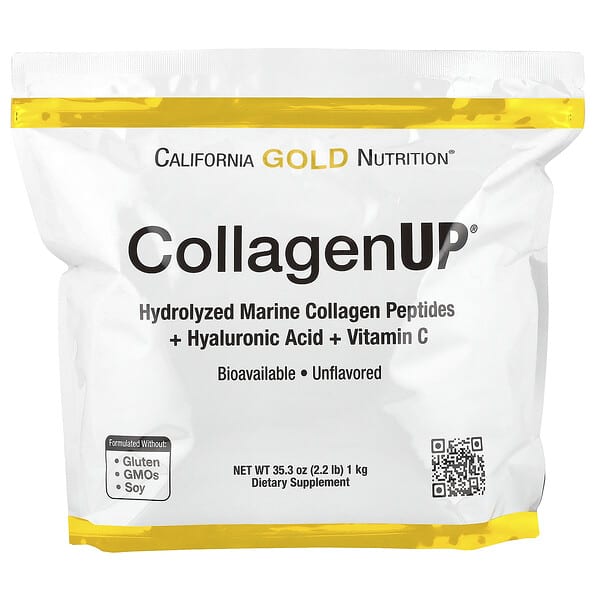
Collagen is the most abundant protein in the human body, making up 30% of our total protein content. It’s the structural foundation for skin, bones, tendons, ligaments, and even gut tissue. After age 25, our natural collagen production declines by about 1% yearly, leading to wrinkles, joint pain, and weaker connective tissue. Fortunately, decades of research show that collagen supplementation can help counteract these effects. Let’s explore the science-backed benefits and how to choose the right type for your needs.
*This page contains affiliate links. If you click and purchase, I may earn a commission at no extra cost to you.*
Types of Collagen & Their Roles
There are at least 28 types of collagen, but these are the most studied:
- Type I: Skin, bones, tendons, ligaments (90% of body’s collagen)
- Type II: Cartilage (key for joint health) Type III: Skin, muscles, blood vessels (often paired with Type I)
Note: Most supplements use Types I & III (from bovine or marine sources) or Type II (from chicken sternum).

Proven Health Benefits of Collagen

1. Improves Skin Elasticity & Hydration
A 2019 randomized controlled trial found that women who took 2.5–5g of collagen peptides daily for 8 weeks saw:
- 28% reduction in wrinkles
- Improved skin elasticity
- Increased skin hydration by 12%
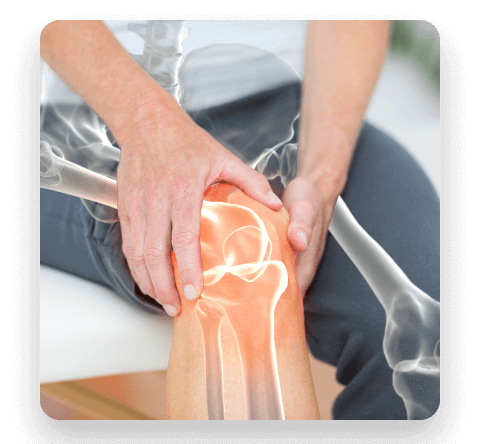
2. Reduces Joint Pain & Osteoarthritis
Type II collagen (especially undenatured form) may help rebuild cartilage. A 2013 study reported 40% less joint pain in athletes taking 10g/day of collagen peptides.
3. Strengthens Hair & Nails
Collagen provides amino acids like proline needed for keratin production. A 2017 trial showed nail growth increased by 12% and breakage decreased by 42% after 6 months.
4. Supports Gut Health
Collagen’s glycine and glutamine help repair the gut lining. A 2017 study found it reduced intestinal permeability ("leaky gut") in mice by 50%.
5. May Boost Muscle Mass
When combined with resistance training, collagen peptides increased muscle growth more than placebo in a 2015 study of elderly men.
6. Strengthens Bones
Postmenopausal women taking 5g/day of collagen peptides had up to 7% higher bone density after 12 months compared to controls.
How to Use Collagen for Maximum Benefits
Dosage:
- Skin/hair/nails: 2.5–10g daily
- Joints: 10–40mg Type II or 10g hydrolyzed collagen
- Gut health: 5–20g daily (with bone broth for synergy)
Best Forms:
- Hydrolyzed collagen peptides: Dissolves in hot/cold liquids (most research-backed)
- Undenatured Type II collagen: For joints (take on empty stomach)
- Bone broth: Natural source with additional nutrients
Safety & Side Effects
Collagen is generally safe but may cause:
- Mild digestive discomfort (start with 1–2g/day)
- Allergic reactions (if sensitive to bovine/fish sources)
- Fishy aftertaste (with marine collagen)
Final Thoughts
Collagen isn’t just a beauty trend—it’s a vital protein that supports nearly every system in your body. Whether you’re looking to reduce wrinkles, ease joint pain, or heal your gut, consistent collagen supplementation (paired with vitamin C for synthesis) can deliver measurable results within weeks.
References:
- Proksch, E., et al. (2019). "Oral Intake of Collagen Peptides Improves Skin Elasticity." Journal of Medicinal Food. PMC6835901
- Clark, K. L., et al. (2013). "24-Week Study on Collagen Hydrolysate for Osteoarthritis." Current Medical Research and Opinion. DOI: 10.1185/03007995.2013.845079



No comments:
Post a Comment