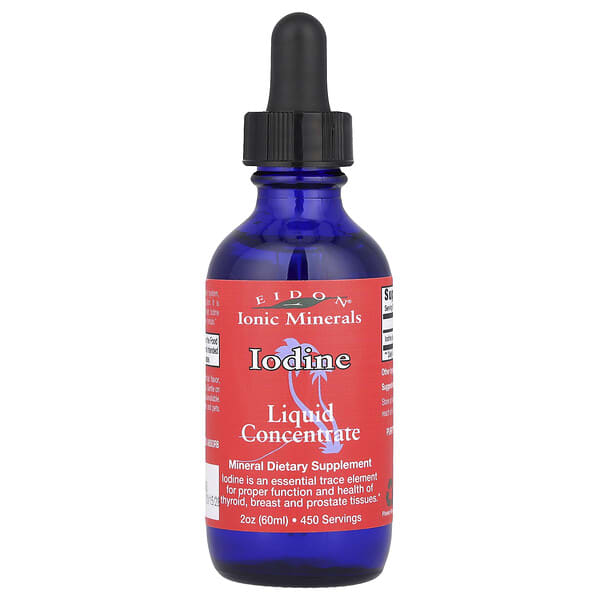
Feeling tired, sluggish, or constantly cold? These could be signs of hypothyroidism, a condition where your thyroid gland doesn’t produce enough hormones to keep your body running smoothly. While there are many causes of hypothyroidism, iodine deficiency is one of the most common—and preventable. Iodine is a trace mineral essential for thyroid hormone production, and ensuring adequate intake can make a world of difference for those with hypothyroidism. Let’s explore how iodine supports thyroid health and why it’s a must-have for managing this condition.
*This page contains affiliate links. If you click and purchase, I may earn a commission at no extra cost to you.*
What is Hypothyroidism, and How Does Iodine Help?
Hypothyroidism occurs when your thyroid gland doesn’t produce enough thyroid hormones, specifically thyroxine (T4) and triiodothyronine (T3). These hormones regulate metabolism, energy production, and overall growth and development. Iodine is a key component of these hormones, and without enough iodine, your thyroid can’t function properly. Here’s how iodine helps:
The Role of Iodine in Hypothyroidism
1. Essential for Thyroid Hormone Production
Your thyroid gland absorbs iodine from your bloodstream to produce T4 and T3 hormones. These hormones are responsible for:
- Regulating Metabolism: Thyroid hormones control how quickly your body converts food into energy. Low levels can lead to weight gain, fatigue, and sluggishness.
- Maintaining Body Temperature: Thyroid hormones help keep your body temperature stable. Hypothyroidism often causes cold intolerance.
- Supporting Growth and Development: In children, thyroid hormones are critical for normal growth and brain development.
Without adequate iodine, your thyroid can’t produce enough hormones, leading to hypothyroidism.
2. Prevents Iodine Deficiency-Related Hypothyroidism
Iodine deficiency is one of the leading causes of hypothyroidism worldwide. When your body lacks iodine, your thyroid can’t produce sufficient hormones, leading to:
- Fatigue: Low thyroid hormone levels can leave you feeling tired and lethargic.
- Weight Gain: A sluggish metabolism can make it harder to maintain a healthy weight.
- Depression: Thyroid hormones influence mood, and low levels can contribute to feelings of sadness or depression.
By ensuring adequate iodine intake, you can prevent iodine deficiency-related hypothyroidism and its symptoms.
3. Supports Thyroid Function in Autoimmune Hypothyroidism
While iodine deficiency is a common cause of hypothyroidism, autoimmune conditions like Hashimoto’s thyroiditis are also leading contributors. In these cases, the immune system attacks the thyroid, impairing its function. Iodine can still play a supportive role by:
- Reducing Oxidative Stress: Iodine has antioxidant properties that can help reduce inflammation and oxidative stress in the thyroid.
- Supporting Hormone Production: Even in autoimmune hypothyroidism, ensuring adequate iodine levels can help the thyroid produce hormones more efficiently.
However, it’s important to note that excessive iodine intake can worsen autoimmune thyroid conditions, so moderation is key.
4. Improves Energy Levels and Mental Clarity
One of the most frustrating symptoms of hypothyroidism is fatigue and brain fog. Iodine helps by:
- Boosting Metabolism: Adequate iodine levels support thyroid hormone production, which in turn boosts metabolism and energy levels.
- Enhancing Cognitive Function: Thyroid hormones are essential for brain health, and iodine ensures your thyroid can produce enough of these hormones to support focus and mental clarity.
By addressing iodine deficiency, you can alleviate these symptoms and feel more like yourself again.
How to Get Enough Iodine for Thyroid Health
Ensuring adequate iodine intake is easier than you might think. Here are some of the best dietary sources:
- Seafood: Fish, shellfish, and seaweed (like kelp and nori) are among the richest sources of iodine.
- Dairy Products: Milk, cheese, and yogurt provide a good amount of iodine.
- Iodized Salt: Many countries fortify table salt with iodine to prevent deficiency.
- Eggs: Eggs contain small amounts of iodine.
- Fruits and Vegetables: The iodine content in produce varies depending on the soil in which they are grown.
Are You at Risk of Iodine Deficiency?
Certain factors can increase your risk of iodine deficiency, including:
- Poor Diet: A diet lacking in iodine-rich foods can lead to deficiency.
- Pregnancy and Lactation: Iodine requirements increase during these periods.
- Living in Iodine-Deficient Areas: Some regions have low iodine levels in the soil, affecting the iodine content of crops.
When to Seek Medical Attention
While iodine can help prevent and treat iodine deficiency-related hypothyroidism, it’s important to consult a healthcare provider if you suspect you have hypothyroidism. They can perform blood tests to check your thyroid hormone levels and determine the underlying cause. Treatment may include iodine supplementation, thyroid hormone replacement therapy, or other interventions.
Final Thoughts
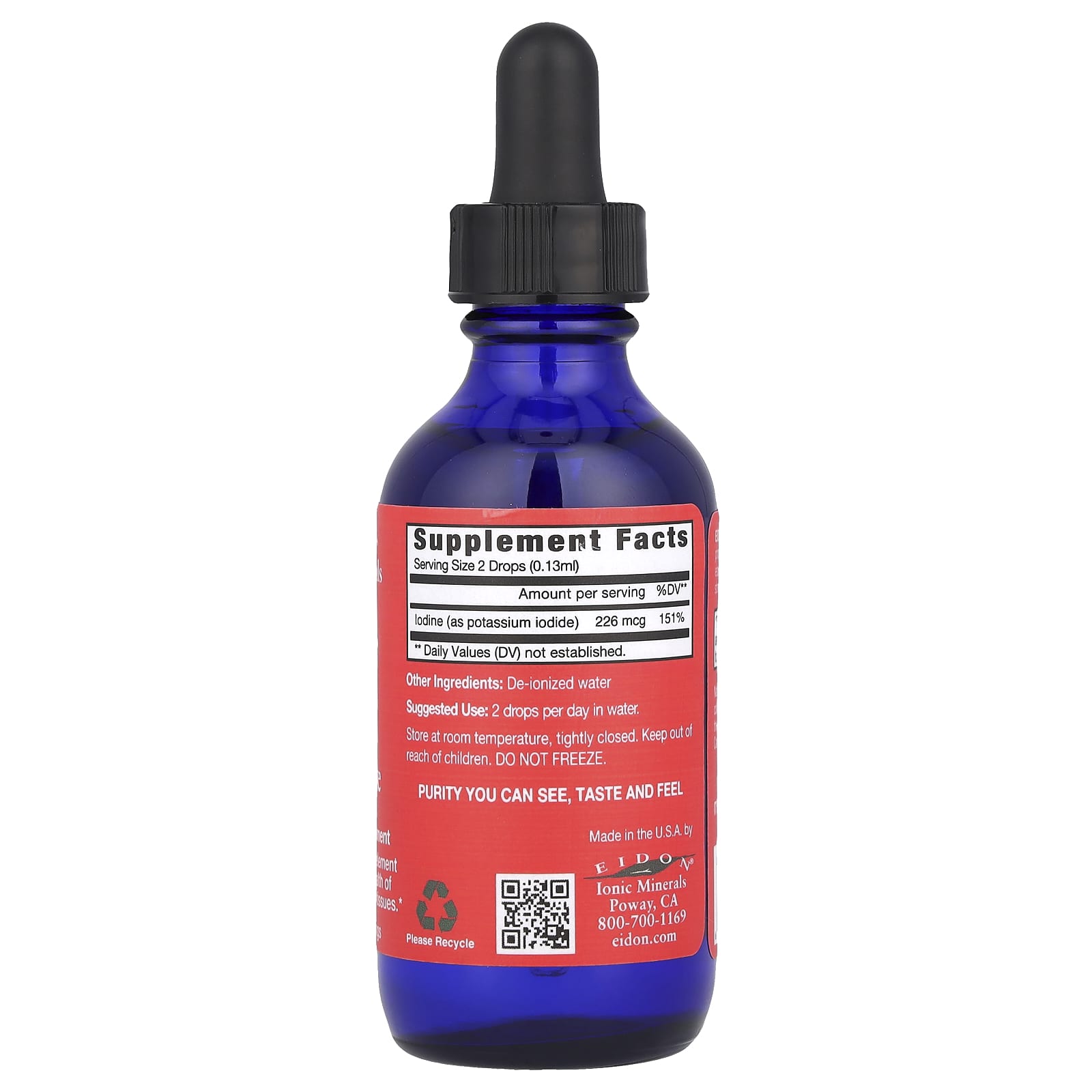
Iodine is a true unsung hero when it comes to thyroid health and hypothyroidism. By ensuring adequate iodine intake through your diet or supplementation, you can support your thyroid, prevent deficiency-related hypothyroidism, and manage symptoms like fatigue, weight gain, and brain fog. If you suspect you’re not getting enough iodine, consider adding more iodine-rich foods to your diet or talking to your healthcare provider about supplementation.
References
- Zimmermann, M. B. (2009). Iodine deficiency. Endocrine Reviews, 30(4), 376-408.
- Pearce, E. N., Andersson, M., & Zimmermann, M. B. (2013). Global iodine nutrition: Where do we stand in 2013? Thyroid, 23(5), 523-528.



No comments:
Post a Comment