
In the world of herbal remedies, milk thistle stands out as a true powerhouse. Known for its vibrant purple flowers and spiky leaves, this plant has been used for centuries to support liver health and detoxification. But milk thistle’s benefits don’t stop there—it’s also a potent antioxidant, supports digestive health, and may even help manage blood sugar levels. Whether you’re looking to boost your liver function or simply enhance your overall wellness, milk thistle is a natural supplement worth exploring. Let’s dive into the science-backed benefits of this remarkable herb.
*This page contains affiliate links. If you click and purchase, I may earn a commission at no extra cost to you.*
What is Milk Thistle?
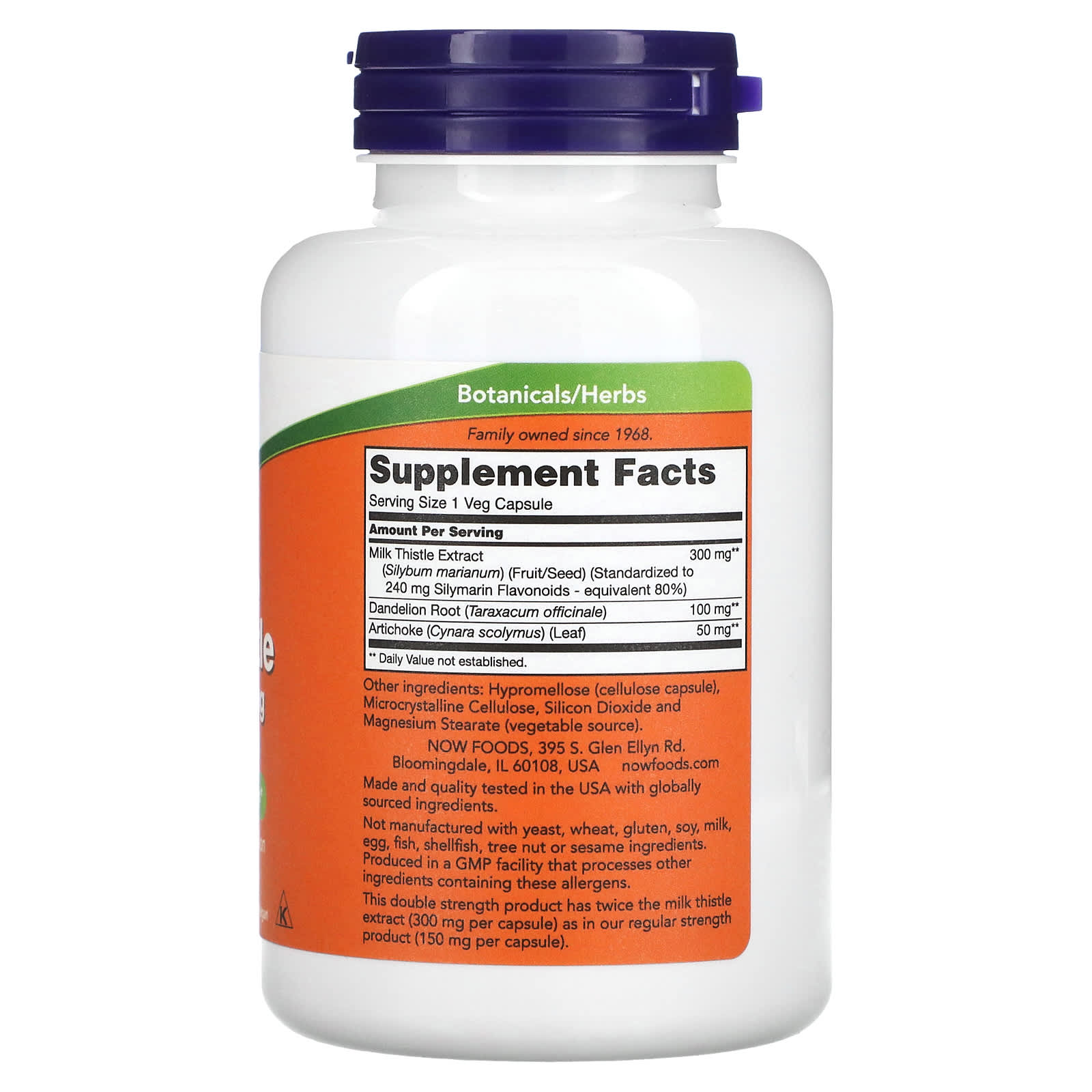
Milk thistle (Silybum marianum) is a flowering herb native to the Mediterranean region. Its active ingredient, silymarin, is a group of compounds with antioxidant, anti-inflammatory, and detoxifying properties. Silymarin is primarily found in the seeds of the plant and is the key to milk thistle’s health benefits.

The Top Benefits of Milk Thistle
1. Supports Liver Health
Milk thistle is best known for its ability to support liver function. The liver is your body’s primary detox organ, responsible for filtering toxins, metabolizing nutrients, and producing bile. Here’s how milk thistle helps:
- Protects Liver Cells: Silymarin helps protect liver cells from damage caused by toxins, alcohol, and medications.
- Promotes Liver Regeneration: Milk thistle stimulates the growth of new liver cells, aiding in the repair of damaged tissue.
- Supports Detoxification: By enhancing liver function, milk thistle helps your body eliminate toxins more efficiently.
Studies have shown that milk thistle can be beneficial for individuals with liver conditions like hepatitis, cirrhosis, and non-alcoholic fatty liver disease (NAFLD).
2. Acts as a Powerful Antioxidant
Milk thistle’s silymarin is a potent antioxidant, meaning it helps neutralize free radicals that can damage cells and contribute to aging and disease. Here’s how it works:
- Reduces Oxidative Stress: By scavenging free radicals, milk thistle helps reduce oxidative stress, which is linked to chronic diseases like heart disease and cancer.
- Protects Against Toxins: Milk thistle’s antioxidant properties help protect the liver and other organs from damage caused by environmental toxins and pollutants.
3. Supports Digestive Health
Your liver and digestive system are closely connected, and milk thistle’s benefits extend to your gut. Here’s how it supports digestive health:
- Stimulates Bile Production: Milk thistle promotes the production of bile, which is essential for digesting fats and absorbing nutrients.
- Reduces Inflammation: Silymarin has anti-inflammatory properties that can help soothe the digestive tract and reduce symptoms of conditions like irritable bowel syndrome (IBS).
4. May Help Manage Blood Sugar Levels
Emerging research suggests that milk thistle may have a role in managing blood sugar levels, making it a potential ally for individuals with diabetes or insulin resistance. Here’s how it helps:
- Improves Insulin Sensitivity: Silymarin has been shown to improve insulin sensitivity, helping your body use glucose more effectively.
- Reduces Blood Sugar Levels: Some studies have found that milk thistle supplementation can lower fasting blood sugar levels in people with type 2 diabetes.
5. Supports Skin Health
Your skin is a reflection of your internal health, and milk thistle’s detoxifying and antioxidant properties can benefit your skin in several ways:
- Reduces Acne: By supporting liver function and reducing inflammation, milk thistle can help clear up acne and other skin conditions.
- Promotes a Healthy Glow: Milk thistle’s antioxidant properties help protect your skin from damage caused by free radicals and environmental toxins.
How to Use Milk Thistle
Milk thistle is available in various forms, including capsules, tinctures, teas, and powders. Here’s how to incorporate it into your routine:
- Capsules or Tablets: A convenient option for daily supplementation. Follow the dosage instructions on the label or consult a healthcare provider.
- Tinctures: Liquid extracts can be added to water or juice for easy consumption.
- Tea: Milk thistle tea is a soothing way to enjoy its benefits, though it may contain lower levels of silymarin compared to supplements.
- Powder: Can be added to smoothies or other beverages.
Are There Any Side Effects?
Milk thistle is generally considered safe for most people when taken as directed. However, some individuals may experience mild side effects, such as:
- Digestive Issues: Nausea, diarrhea, or bloating may occur in some cases.
- Allergic Reactions: People allergic to plants in the Asteraceae family (e.g., ragweed, marigolds) may experience allergic reactions.
If you’re pregnant, breastfeeding, or taking medications, consult your healthcare provider before using milk thistle.
Final Thoughts
Milk thistle is a versatile and powerful herb with a wide range of health benefits. From supporting liver health and detoxification to acting as a potent antioxidant, this natural remedy is a valuable addition to any wellness routine. Whether you’re looking to boost your liver function, improve your digestion, or enhance your skin health, milk thistle is a natural supplement worth considering. As always, consult a healthcare provider before starting any new supplement regimen.
References
- Abenavoli, L., Capasso, R., Milic, N., & Capasso, F. (2010). Milk thistle in liver diseases: Past, present, future. Phytotherapy Research, 24(10), 1423-1432.
- Huseini, H. F., Larijani, B., Heshmat, R., Fakhrzadeh, H., Radjabipour, B., & Toliat, T. (2006). The efficacy of Silybum marianum (L.) Gaertn. (silymarin) in the treatment of type II diabetes: A randomized, double-blind, placebo-controlled, clinical trial. Phytotherapy Research, 20(12), 1036-1039.



No comments:
Post a Comment