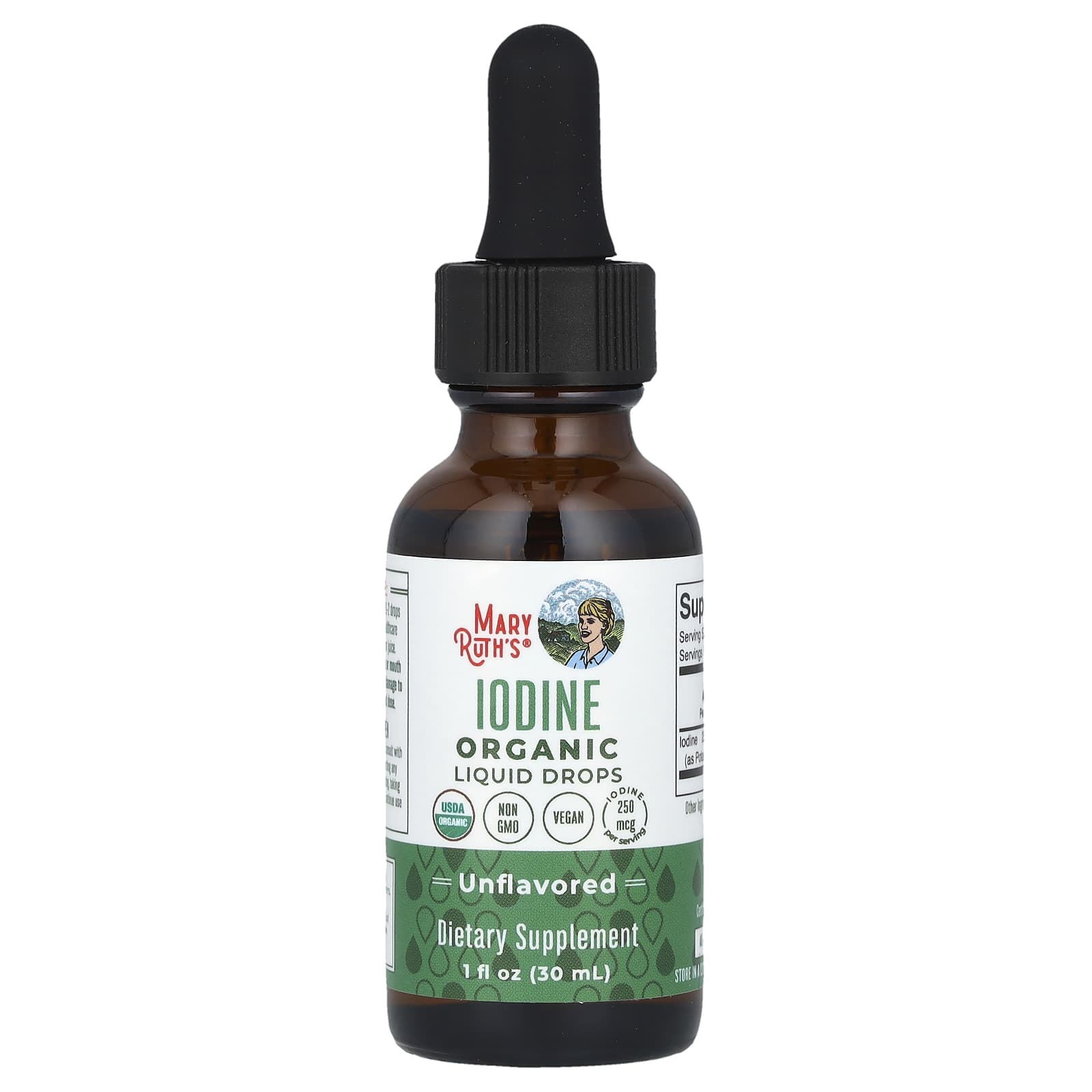
Have you ever noticed a swelling at the base of your neck? This could be a goiter—an enlargement of the thyroid gland that often signals an underlying issue, such as iodine deficiency. Goiters can cause discomfort, difficulty swallowing, and even breathing problems if left untreated. The good news? Iodine, a trace mineral essential for thyroid health, can play a key role in both preventing and treating goiters. Let’s explore how iodine supports thyroid function and why it’s a must-have for anyone concerned about goiters.
*This page contains affiliate links. If you click and purchase, I may earn a commission at no extra cost to you.*
What is a Goiter, and What Causes It?
A goiter is an abnormal enlargement of the thyroid gland, which is located at the base of your neck. The thyroid gland produces hormones that regulate metabolism, growth, and development. When the thyroid doesn’t get enough iodine, it can’t produce these hormones effectively, leading to compensatory growth—a goiter. Common causes of goiter include:
- Iodine Deficiency: The most common cause of goiter worldwide, especially in regions with low iodine levels in the soil.
- Hashimoto’s Thyroiditis: An autoimmune condition that can cause thyroid enlargement.
- Graves’ Disease: Another autoimmune condition that can lead to an overactive thyroid and goiter.
While there are multiple causes of goiter, iodine deficiency remains the most preventable and treatable.
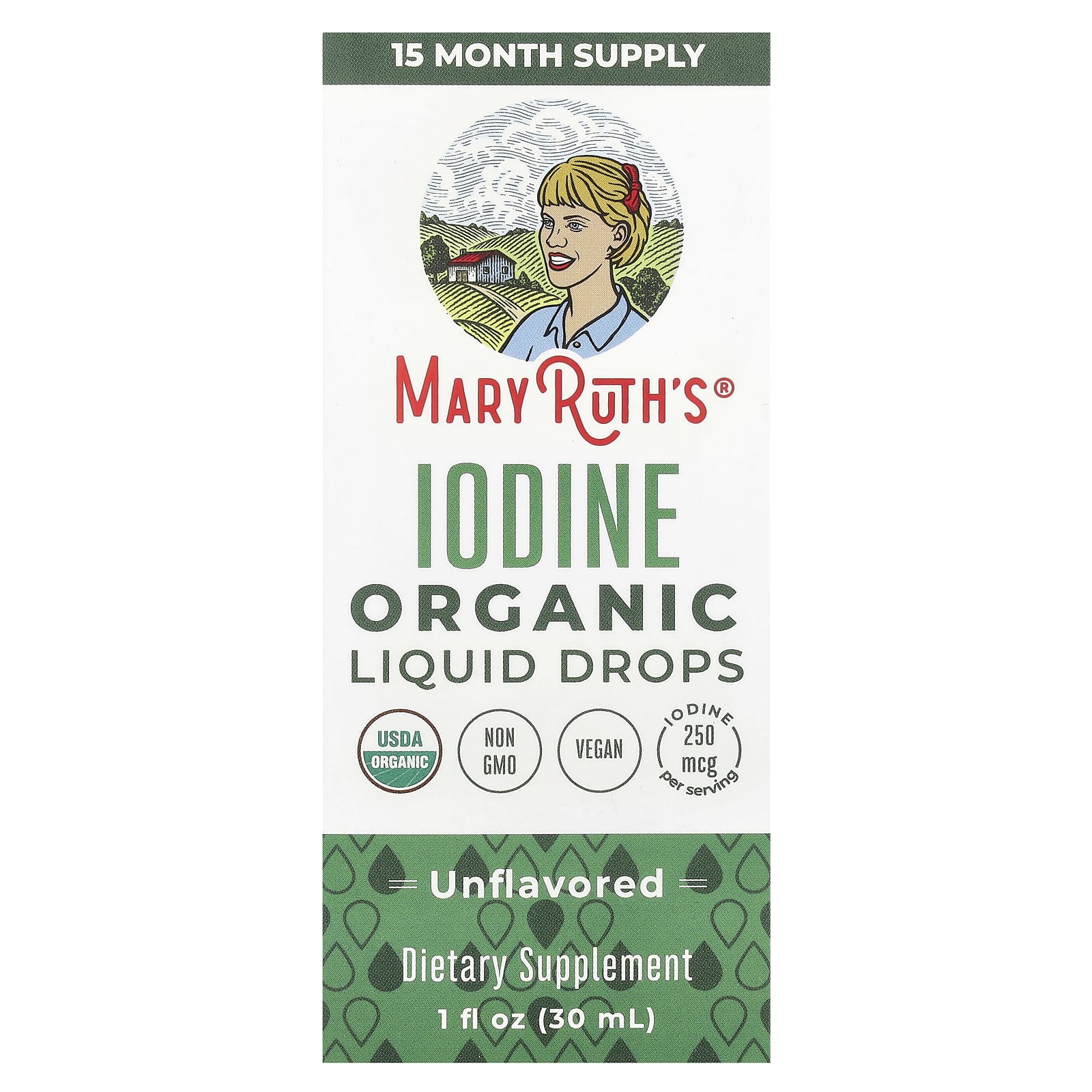
How Iodine Prevents and Treats Goiter
1. Supports Thyroid Hormone Production
Iodine is essential for the production of thyroid hormones, specifically thyroxine (T4) and triiodothyronine (T3). When your body lacks iodine, the thyroid gland works overtime to produce these hormones, leading to its enlargement—a goiter. Here’s how iodine helps:
- Restores Hormone Levels: Adequate iodine intake allows the thyroid to produce sufficient hormones, reducing the need for compensatory growth.
- Prevents Thyroid Enlargement: By meeting your body’s iodine needs, you can prevent the thyroid from enlarging in the first place.
2. Reverses Iodine Deficiency
In regions where iodine deficiency is common, goiter rates are significantly higher. Supplementing with iodine or consuming iodine-rich foods can reverse deficiency and shrink existing goiters. Studies have shown that:
- Iodized Salt Programs: In countries where iodized salt is widely used, goiter rates have dramatically decreased.
- Dietary Changes: Adding iodine-rich foods like seafood, dairy, and eggs to your diet can help prevent and treat goiters.
3. Reduces Thyroid Stimulating Hormone (TSH) Levels
When your thyroid isn’t producing enough hormones, your pituitary gland releases more thyroid-stimulating hormone (TSH) to stimulate the thyroid. High TSH levels can cause the thyroid to enlarge. Iodine helps by:
- Balancing TSH Levels: Adequate iodine intake allows the thyroid to produce enough hormones, reducing the need for excessive TSH production.
- Preventing Overstimulation: By supporting thyroid function, iodine prevents the overstimulation that leads to goiter formation.
4. Supports Overall Thyroid Health
Iodine doesn’t just prevent and treat goiters—it also supports overall thyroid health. A healthy thyroid is less likely to develop issues like goiters, nodules, or autoimmune conditions. Here’s how iodine helps:
- Maintains Thyroid Function: Iodine ensures your thyroid can produce the hormones your body needs to function properly.
- Reduces Inflammation: Iodine has anti-inflammatory properties that can help reduce thyroid swelling and discomfort.
How to Get Enough Iodine to Prevent and Treat Goiters
Ensuring adequate iodine intake is the best way to prevent and treat goiters. Here are some of the best dietary sources:
- Seafood: Fish, shellfish, and seaweed (like kelp and nori) are among the richest sources of iodine.
- Dairy Products: Milk, cheese, and yogurt provide a good amount of iodine.
- Iodized Salt: Many countries fortify table salt with iodine to prevent deficiency.
- Eggs: Eggs contain small amounts of iodine.
- Fruits and Vegetables: The iodine content in produce varies depending on the soil in which they are grown.
Are You at Risk of Iodine Deficiency?
Certain factors can increase your risk of iodine deficiency, including:
- Poor Diet: A diet lacking in iodine-rich foods can lead to deficiency.
- Living in Iodine-Deficient Areas: Some regions have low iodine levels in the soil, affecting the iodine content of crops.
- Pregnancy and Lactation: Iodine requirements increase during these periods, putting pregnant and breastfeeding women at higher risk.
When to Seek Medical Attention
While iodine can help prevent and treat goiters caused by iodine deficiency, not all goiters are due to a lack of iodine. If you notice a swelling in your neck or experience symptoms like difficulty swallowing or breathing, it’s important to consult a healthcare provider. They can determine the underlying cause and recommend appropriate treatment, which may include iodine supplementation, medication, or surgery in severe cases.
Final Thoughts
Iodine is a true unsung hero when it comes to thyroid health and goiter prevention. By ensuring adequate iodine intake through your diet or supplementation, you can support your thyroid, prevent goiters, and maintain overall well-being. If you suspect you’re not getting enough iodine, consider adding more iodine-rich foods to your diet or talking to your healthcare provider about supplementation.
References
- Zimmermann, M. B. (2009). Iodine deficiency. Endocrine Reviews, 30(4), 376-408.
- World Health Organization (WHO). (2007). Assessment of iodine deficiency disorders and monitoring their elimination.



No comments:
Post a Comment