Sunday, March 23, 2025

Milk Thistle for Liver Health: The Natural Detoxifier You Need

Your liver is one of the hardest-working organs in your body, responsible for filtering toxins, metabolizing nutrients, and producing bile. But with the constant exposure to environmental pollutants, processed foods, and stress, your liver can easily become overburdened. Enter milk thistle—a natural herb that has been used for centuries to support liver health and detoxification. Packed with the powerful antioxidant silymarin, milk thistle is a must-have for anyone looking to boost their liver function and overall wellness. Let’s explore how milk thistle benefits your liver and why it’s a game-changer for detoxification.

What is Milk Thistle?

Milk thistle (Silybum marianum) is a flowering herb native to the Mediterranean region. Its seeds contain silymarin, a group of compounds with antioxidant, anti-inflammatory, and detoxifying properties. Silymarin is the star ingredient that makes milk thistle a powerhouse for liver health.

How Milk Thistle Supports Liver Health

1. Protects Liver Cells from Damage

Your liver is constantly exposed to toxins, whether from alcohol, medications, or environmental pollutants. Over time, this can lead to oxidative stress and damage to liver cells. Milk thistle helps by:

  • Neutralizing Free Radicals: Silymarin is a potent antioxidant that scavenges free radicals, preventing them from damaging liver cells.
  • Stabilizing Cell Membranes: Silymarin strengthens the outer membranes of liver cells, making them more resistant to damage.

Studies have shown that milk thistle can protect the liver from toxins like alcohol, acetaminophen, and even heavy metals.

2. Promotes Liver Regeneration

One of the most remarkable benefits of milk thistle is its ability to stimulate the growth of new liver cells. This is crucial for repairing damaged tissue and maintaining liver function. Here’s how it works:

  • Stimulates Protein Synthesis: Silymarin promotes the synthesis of proteins in liver cells, aiding in tissue repair and regeneration.
  • Supports Healthy Cell Division: By encouraging the growth of new, healthy liver cells, milk thistle helps restore liver function after injury or disease.

3. Enhances Detoxification

Your liver is your body’s primary detox organ, responsible for filtering toxins from your blood. Milk thistle supports this process by:

  • Boosting Glutathione Levels: Glutathione is your body’s master antioxidant, and milk thistle helps increase its production in the liver. This enhances your liver’s ability to neutralize and eliminate toxins.
  • Improving Bile Production: Milk thistle stimulates the production of bile, which is essential for digesting fats and eliminating waste products.

4. Reduces Inflammation

Chronic inflammation can damage liver cells and contribute to conditions like fatty liver disease and cirrhosis. Milk thistle’s anti-inflammatory properties help by:

  • Inhibiting Inflammatory Pathways: Silymarin blocks the production of pro-inflammatory molecules, reducing inflammation in the liver.
  • Protecting Against Fibrosis: By reducing inflammation, milk thistle helps prevent the formation of scar tissue (fibrosis) in the liver.

5. Supports Liver Conditions

Milk thistle has been extensively studied for its benefits in managing liver conditions, including:

  • Non-Alcoholic Fatty Liver Disease (NAFLD): Silymarin helps reduce fat accumulation in the liver and improves liver enzyme levels.
  • Hepatitis: Milk thistle can reduce inflammation and support liver function in individuals with hepatitis B and C.
  • Cirrhosis: By promoting liver regeneration and reducing inflammation, milk thistle can help slow the progression of cirrhosis.

How to Use Milk Thistle for Liver Health

Milk thistle is available in various forms, including capsules, tinctures, teas, and powders. Here’s how to incorporate it into your routine:

  • Capsules or Tablets: A convenient option for daily supplementation. Follow the dosage instructions on the label or consult a healthcare provider.
  • Tinctures: Liquid extracts can be added to water or juice for easy consumption.
  • Tea: Milk thistle tea is a soothing way to enjoy its benefits, though it may contain lower levels of silymarin compared to supplements.
  • Powder: Can be added to smoothies or other beverages.

Are There Any Side Effects?

Milk thistle is generally considered safe for most people when taken as directed. However, some individuals may experience mild side effects, such as:

  • Digestive Issues: Nausea, diarrhea, or bloating may occur in some cases.
  • Allergic Reactions: People allergic to plants in the Asteraceae family (e.g., ragweed, marigolds) may experience allergic reactions.

If you’re pregnant, breastfeeding, or taking medications, consult your healthcare provider before using milk thistle.

Final Thoughts

Milk thistle is a natural powerhouse for liver health, offering protection, regeneration, and detoxification support. Whether you’re looking to boost your liver function, manage a liver condition, or simply enhance your overall wellness, milk thistle is a valuable addition to your routine. By incorporating this herbal remedy into your lifestyle, you can give your liver the support it needs to thrive. As always, consult a healthcare provider before starting any new supplement regimen.

References

  1. Abenavoli, L., Capasso, R., Milic, N., & Capasso, F. (2010). Milk thistle in liver diseases: Past, present, future. Phytotherapy Research, 24(10), 1423-1432.
  2. Federico, A., Dallio, M., & Loguercio, C. (2017). Silymarin/Silybin and chronic liver disease: A marriage of many years. Molecules, 22(2), 191.

Milk Thistle: The Liver’s Best Friend and a Natural Detox Powerhouse

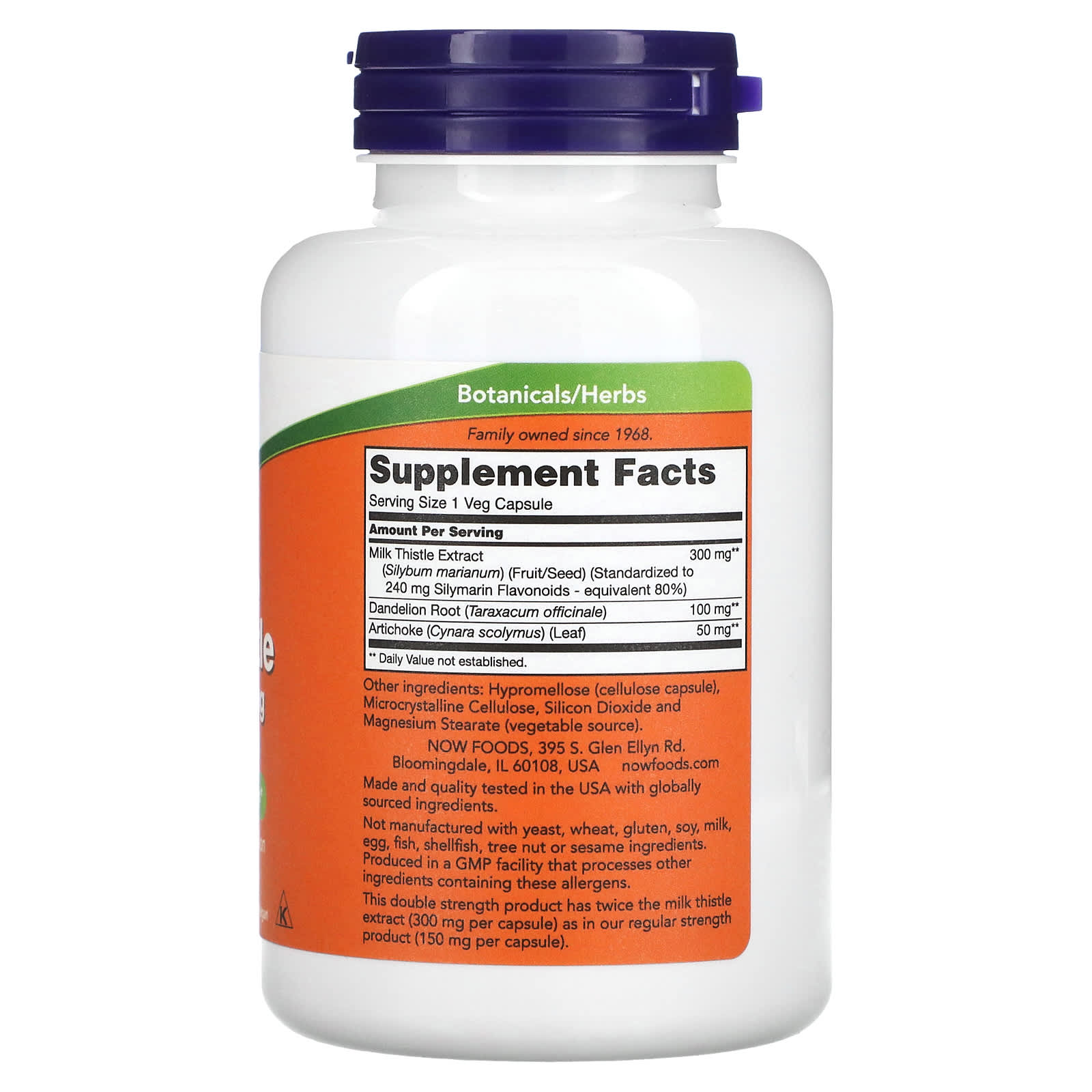
Double Strength, 300 mg, 200 Veg Capsules

In the world of herbal remedies, milk thistle stands out as a true powerhouse. Known for its vibrant purple flowers and spiky leaves, this plant has been used for centuries to support liver health and detoxification. But milk thistle’s benefits don’t stop there—it’s also a potent antioxidant, supports digestive health, and may even help manage blood sugar levels. Whether you’re looking to boost your liver function or simply enhance your overall wellness, milk thistle is a natural supplement worth exploring. Let’s dive into the science-backed benefits of this remarkable herb.

*This page contains affiliate links. If you click and purchase, I may earn a commission at no extra cost to you.*

What is Milk Thistle?

Milk thistle (Silybum marianum) is a flowering herb native to the Mediterranean region. Its active ingredient, silymarin, is a group of compounds with antioxidant, anti-inflammatory, and detoxifying properties. Silymarin is primarily found in the seeds of the plant and is the key to milk thistle’s health benefits.

Milk Thistle extract for liver detox

The Top Benefits of Milk Thistle

1. Supports Liver Health

Milk thistle is best known for its ability to support liver function. The liver is your body’s primary detox organ, responsible for filtering toxins, metabolizing nutrients, and producing bile. Here’s how milk thistle helps:

  • Protects Liver Cells: Silymarin helps protect liver cells from damage caused by toxins, alcohol, and medications.
  • Promotes Liver Regeneration: Milk thistle stimulates the growth of new liver cells, aiding in the repair of damaged tissue.
  • Supports Detoxification: By enhancing liver function, milk thistle helps your body eliminate toxins more efficiently.

Studies have shown that milk thistle can be beneficial for individuals with liver conditions like hepatitis, cirrhosis, and non-alcoholic fatty liver disease (NAFLD).

Now Milk Thistle

2. Acts as a Powerful Antioxidant

Milk thistle’s silymarin is a potent antioxidant, meaning it helps neutralize free radicals that can damage cells and contribute to aging and disease. Here’s how it works:

  • Reduces Oxidative Stress: By scavenging free radicals, milk thistle helps reduce oxidative stress, which is linked to chronic diseases like heart disease and cancer.
  • Protects Against Toxins: Milk thistle’s antioxidant properties help protect the liver and other organs from damage caused by environmental toxins and pollutants.

3. Supports Digestive Health

Your liver and digestive system are closely connected, and milk thistle’s benefits extend to your gut. Here’s how it supports digestive health:

  • Stimulates Bile Production: Milk thistle promotes the production of bile, which is essential for digesting fats and absorbing nutrients.
  • Reduces Inflammation: Silymarin has anti-inflammatory properties that can help soothe the digestive tract and reduce symptoms of conditions like irritable bowel syndrome (IBS).

4. May Help Manage Blood Sugar Levels

Emerging research suggests that milk thistle may have a role in managing blood sugar levels, making it a potential ally for individuals with diabetes or insulin resistance. Here’s how it helps:

  • Improves Insulin Sensitivity: Silymarin has been shown to improve insulin sensitivity, helping your body use glucose more effectively.
  • Reduces Blood Sugar Levels: Some studies have found that milk thistle supplementation can lower fasting blood sugar levels in people with type 2 diabetes.

5. Supports Skin Health

Your skin is a reflection of your internal health, and milk thistle’s detoxifying and antioxidant properties can benefit your skin in several ways:

  • Reduces Acne: By supporting liver function and reducing inflammation, milk thistle can help clear up acne and other skin conditions.
  • Promotes a Healthy Glow: Milk thistle’s antioxidant properties help protect your skin from damage caused by free radicals and environmental toxins.

How to Use Milk Thistle

Milk thistle is available in various forms, including capsules, tinctures, teas, and powders. Here’s how to incorporate it into your routine:

  • Capsules or Tablets: A convenient option for daily supplementation. Follow the dosage instructions on the label or consult a healthcare provider.
  • Tinctures: Liquid extracts can be added to water or juice for easy consumption.
  • Tea: Milk thistle tea is a soothing way to enjoy its benefits, though it may contain lower levels of silymarin compared to supplements.
  • Powder: Can be added to smoothies or other beverages.

Are There Any Side Effects?

Milk thistle is generally considered safe for most people when taken as directed. However, some individuals may experience mild side effects, such as:

  • Digestive Issues: Nausea, diarrhea, or bloating may occur in some cases.
  • Allergic Reactions: People allergic to plants in the Asteraceae family (e.g., ragweed, marigolds) may experience allergic reactions.

If you’re pregnant, breastfeeding, or taking medications, consult your healthcare provider before using milk thistle.

Final Thoughts

Milk thistle is a versatile and powerful herb with a wide range of health benefits. From supporting liver health and detoxification to acting as a potent antioxidant, this natural remedy is a valuable addition to any wellness routine. Whether you’re looking to boost your liver function, improve your digestion, or enhance your skin health, milk thistle is a natural supplement worth considering. As always, consult a healthcare provider before starting any new supplement regimen.

References

  1. Abenavoli, L., Capasso, R., Milic, N., & Capasso, F. (2010). Milk thistle in liver diseases: Past, present, future. Phytotherapy Research, 24(10), 1423-1432.
  2. Huseini, H. F., Larijani, B., Heshmat, R., Fakhrzadeh, H., Radjabipour, B., & Toliat, T. (2006). The efficacy of Silybum marianum (L.) Gaertn. (silymarin) in the treatment of type II diabetes: A randomized, double-blind, placebo-controlled, clinical trial. Phytotherapy Research, 20(12), 1036-1039.

Saturday, March 22, 2025

Iodine and Hypothyroidism: How This Essential Mineral Can Support Thyroid Health

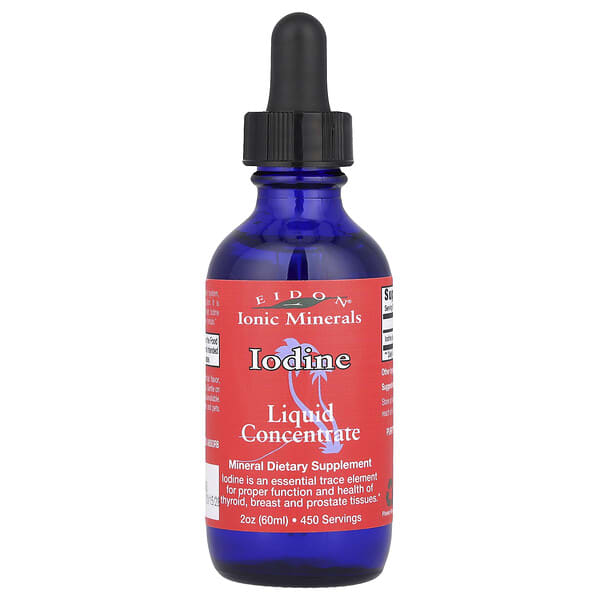
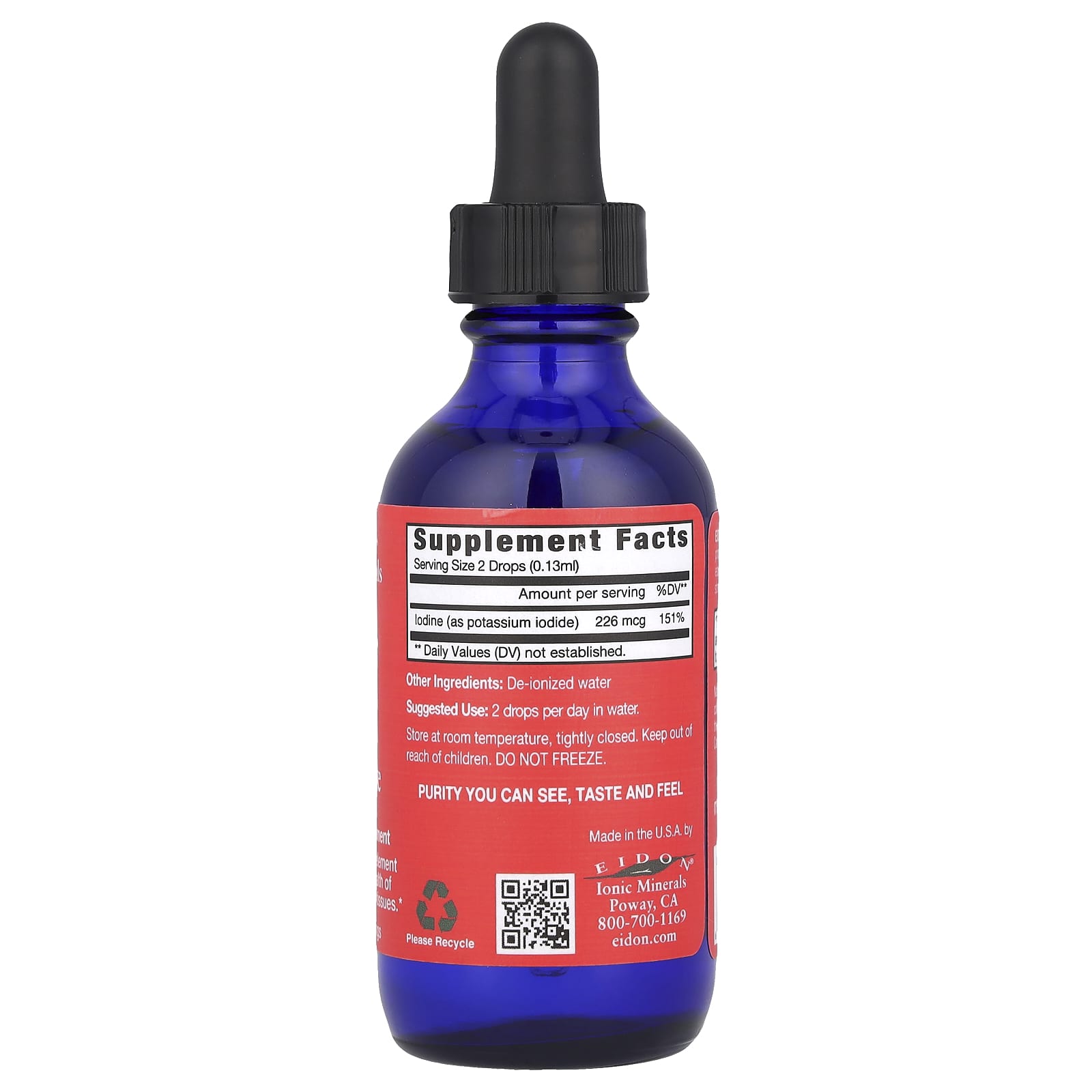
Liquid Concentrate, 226 mcg, 2 oz (60 ml) Iodine Supplement

Feeling tired, sluggish, or constantly cold? These could be signs of hypothyroidism, a condition where your thyroid gland doesn’t produce enough hormones to keep your body running smoothly. While there are many causes of hypothyroidism, iodine deficiency is one of the most common—and preventable. Iodine is a trace mineral essential for thyroid hormone production, and ensuring adequate intake can make a world of difference for those with hypothyroidism. Let’s explore how iodine supports thyroid health and why it’s a must-have for managing this condition.

*This page contains affiliate links. If you click and purchase, I may earn a commission at no extra cost to you.*

What is Hypothyroidism, and How Does Iodine Help?

Hypothyroidism occurs when your thyroid gland doesn’t produce enough thyroid hormones, specifically thyroxine (T4) and triiodothyronine (T3). These hormones regulate metabolism, energy production, and overall growth and development. Iodine is a key component of these hormones, and without enough iodine, your thyroid can’t function properly. Here’s how iodine helps:

proper function and health of thyroid, breast, and prostate tissues

The Role of Iodine in Hypothyroidism

1. Essential for Thyroid Hormone Production

Your thyroid gland absorbs iodine from your bloodstream to produce T4 and T3 hormones. These hormones are responsible for:

  • Regulating Metabolism: Thyroid hormones control how quickly your body converts food into energy. Low levels can lead to weight gain, fatigue, and sluggishness.
  • Maintaining Body Temperature: Thyroid hormones help keep your body temperature stable. Hypothyroidism often causes cold intolerance.
  • Supporting Growth and Development: In children, thyroid hormones are critical for normal growth and brain development.

Without adequate iodine, your thyroid can’t produce enough hormones, leading to hypothyroidism.

2. Prevents Iodine Deficiency-Related Hypothyroidism

Iodine deficiency is one of the leading causes of hypothyroidism worldwide. When your body lacks iodine, your thyroid can’t produce sufficient hormones, leading to:

  • Fatigue: Low thyroid hormone levels can leave you feeling tired and lethargic.
  • Weight Gain: A sluggish metabolism can make it harder to maintain a healthy weight.
  • Depression: Thyroid hormones influence mood, and low levels can contribute to feelings of sadness or depression.

By ensuring adequate iodine intake, you can prevent iodine deficiency-related hypothyroidism and its symptoms.

3. Supports Thyroid Function in Autoimmune Hypothyroidism

While iodine deficiency is a common cause of hypothyroidism, autoimmune conditions like Hashimoto’s thyroiditis are also leading contributors. In these cases, the immune system attacks the thyroid, impairing its function. Iodine can still play a supportive role by:

  • Reducing Oxidative Stress: Iodine has antioxidant properties that can help reduce inflammation and oxidative stress in the thyroid.
  • Supporting Hormone Production: Even in autoimmune hypothyroidism, ensuring adequate iodine levels can help the thyroid produce hormones more efficiently.

However, it’s important to note that excessive iodine intake can worsen autoimmune thyroid conditions, so moderation is key.

4. Improves Energy Levels and Mental Clarity

One of the most frustrating symptoms of hypothyroidism is fatigue and brain fog. Iodine helps by:

  • Boosting Metabolism: Adequate iodine levels support thyroid hormone production, which in turn boosts metabolism and energy levels.
  • Enhancing Cognitive Function: Thyroid hormones are essential for brain health, and iodine ensures your thyroid can produce enough of these hormones to support focus and mental clarity.

By addressing iodine deficiency, you can alleviate these symptoms and feel more like yourself again.

How to Get Enough Iodine for Thyroid Health

Ensuring adequate iodine intake is easier than you might think. Here are some of the best dietary sources:

  • Seafood: Fish, shellfish, and seaweed (like kelp and nori) are among the richest sources of iodine.
  • Dairy Products: Milk, cheese, and yogurt provide a good amount of iodine.
  • Iodized Salt: Many countries fortify table salt with iodine to prevent deficiency.
  • Eggs: Eggs contain small amounts of iodine.
  • Fruits and Vegetables: The iodine content in produce varies depending on the soil in which they are grown.

Are You at Risk of Iodine Deficiency?

Certain factors can increase your risk of iodine deficiency, including:

  • Poor Diet: A diet lacking in iodine-rich foods can lead to deficiency.
  • Pregnancy and Lactation: Iodine requirements increase during these periods.
  • Living in Iodine-Deficient Areas: Some regions have low iodine levels in the soil, affecting the iodine content of crops.

When to Seek Medical Attention

While iodine can help prevent and treat iodine deficiency-related hypothyroidism, it’s important to consult a healthcare provider if you suspect you have hypothyroidism. They can perform blood tests to check your thyroid hormone levels and determine the underlying cause. Treatment may include iodine supplementation, thyroid hormone replacement therapy, or other interventions.

Final Thoughts

Iodine is a true unsung hero when it comes to thyroid health and hypothyroidism. By ensuring adequate iodine intake through your diet or supplementation, you can support your thyroid, prevent deficiency-related hypothyroidism, and manage symptoms like fatigue, weight gain, and brain fog. If you suspect you’re not getting enough iodine, consider adding more iodine-rich foods to your diet or talking to your healthcare provider about supplementation.

References

  1. Zimmermann, M. B. (2009). Iodine deficiency. Endocrine Reviews, 30(4), 376-408.
  2. Pearce, E. N., Andersson, M., & Zimmermann, M. B. (2013). Global iodine nutrition: Where do we stand in 2013? Thyroid, 23(5), 523-528.


Iodine and Goiter: How This Essential Mineral Can Prevent and Treat Thyroid Enlargement

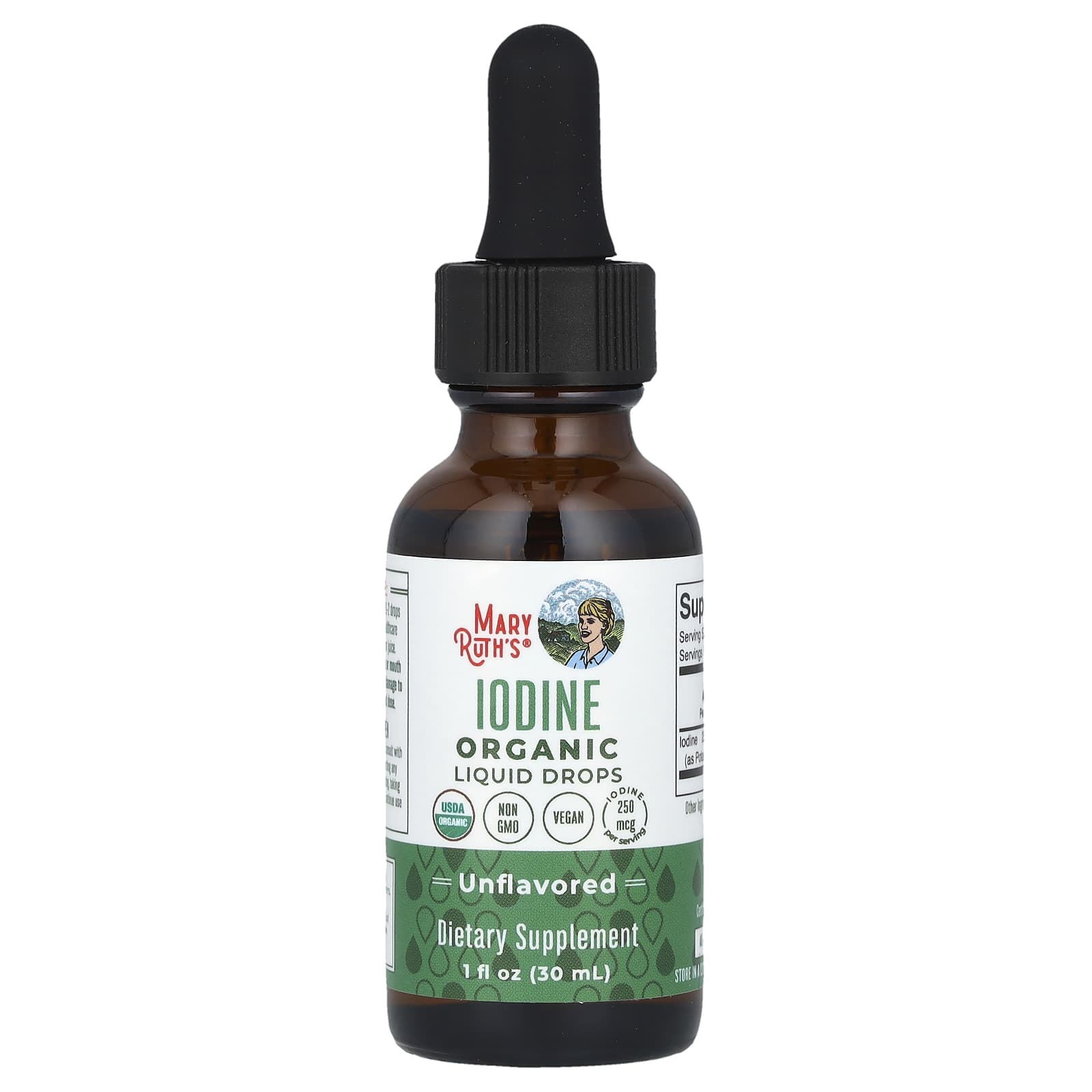
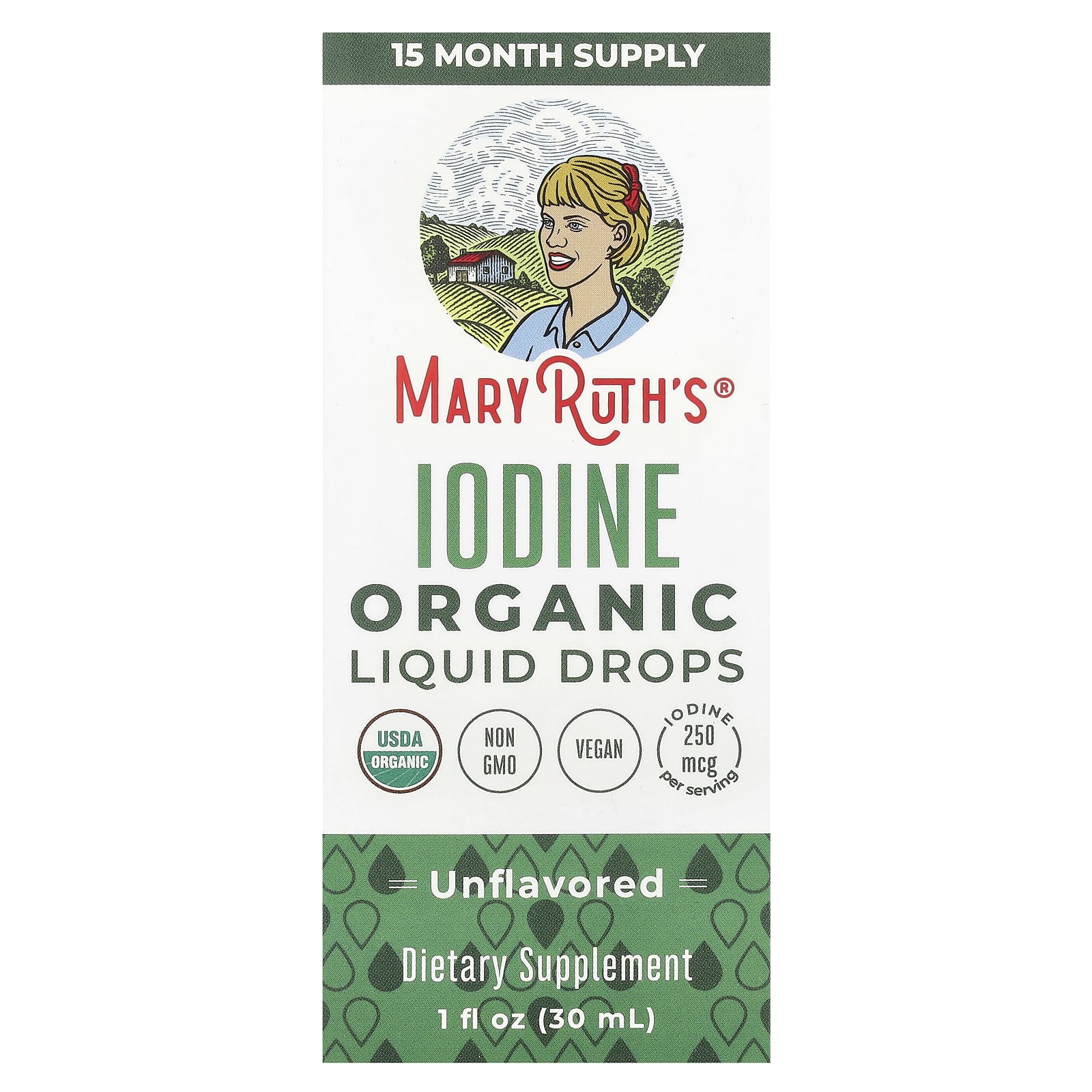
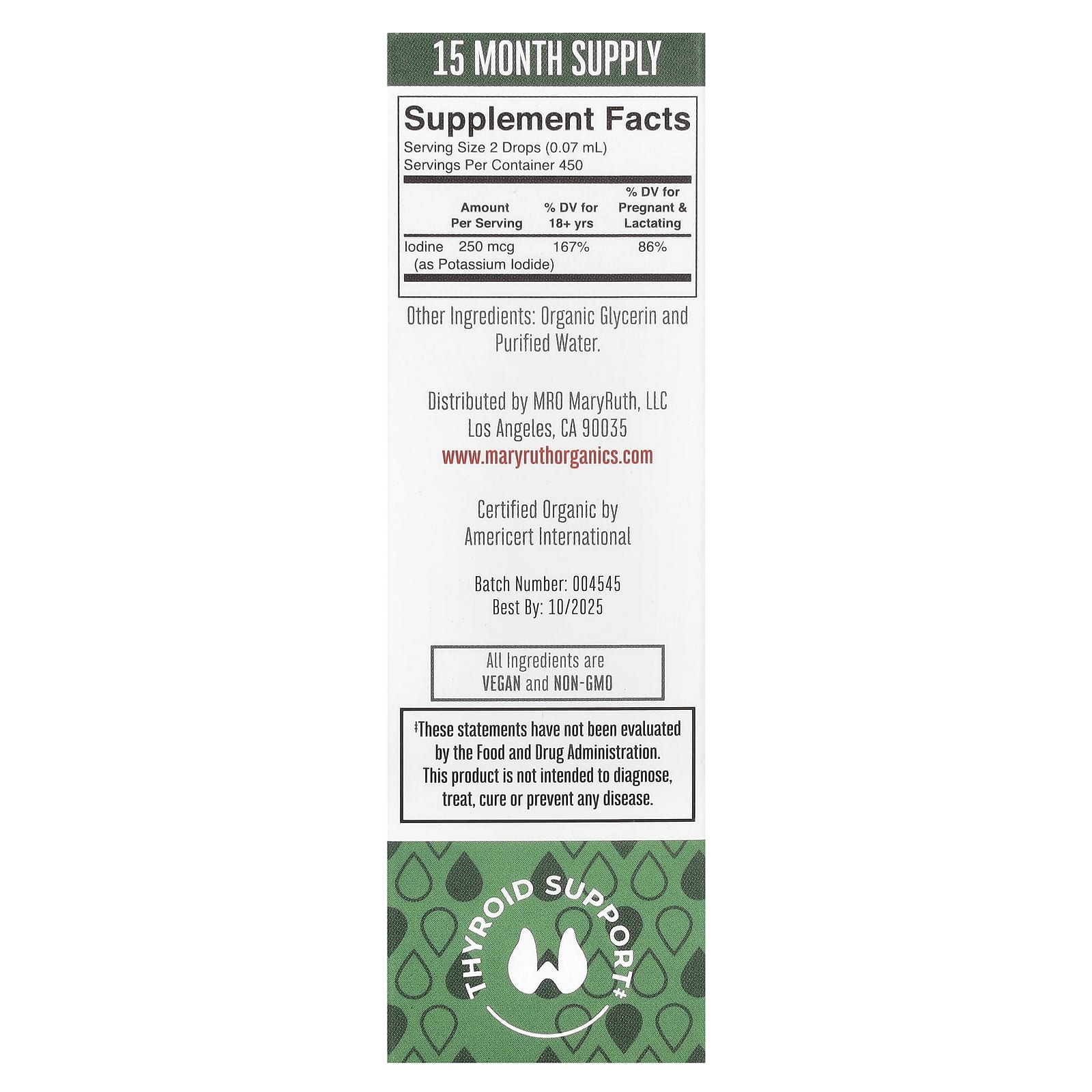
250 mcg Iodine Per Serving

Have you ever noticed a swelling at the base of your neck? This could be a goiter—an enlargement of the thyroid gland that often signals an underlying issue, such as iodine deficiency. Goiters can cause discomfort, difficulty swallowing, and even breathing problems if left untreated. The good news? Iodine, a trace mineral essential for thyroid health, can play a key role in both preventing and treating goiters. Let’s explore how iodine supports thyroid function and why it’s a must-have for anyone concerned about goiters.

*This page contains affiliate links. If you click and purchase, I may earn a commission at no extra cost to you.*

What is a Goiter, and What Causes It?

A goiter is an abnormal enlargement of the thyroid gland, which is located at the base of your neck. The thyroid gland produces hormones that regulate metabolism, growth, and development. When the thyroid doesn’t get enough iodine, it can’t produce these hormones effectively, leading to compensatory growth—a goiter. Common causes of goiter include:

  • Iodine Deficiency: The most common cause of goiter worldwide, especially in regions with low iodine levels in the soil.
  • Hashimoto’s Thyroiditis: An autoimmune condition that can cause thyroid enlargement.
  • Graves’ Disease: Another autoimmune condition that can lead to an overactive thyroid and goiter.

While there are multiple causes of goiter, iodine deficiency remains the most preventable and treatable.

Mary Ruth Iodine Supplements

How Iodine Prevents and Treats Goiter

1. Supports Thyroid Hormone Production

Iodine is essential for the production of thyroid hormones, specifically thyroxine (T4) and triiodothyronine (T3). When your body lacks iodine, the thyroid gland works overtime to produce these hormones, leading to its enlargement—a goiter. Here’s how iodine helps:

  • Restores Hormone Levels: Adequate iodine intake allows the thyroid to produce sufficient hormones, reducing the need for compensatory growth.
  • Prevents Thyroid Enlargement: By meeting your body’s iodine needs, you can prevent the thyroid from enlarging in the first place.

For goiter relief

2. Reverses Iodine Deficiency

In regions where iodine deficiency is common, goiter rates are significantly higher. Supplementing with iodine or consuming iodine-rich foods can reverse deficiency and shrink existing goiters. Studies have shown that:

  • Iodized Salt Programs: In countries where iodized salt is widely used, goiter rates have dramatically decreased.
  • Dietary Changes: Adding iodine-rich foods like seafood, dairy, and eggs to your diet can help prevent and treat goiters.

3. Reduces Thyroid Stimulating Hormone (TSH) Levels

When your thyroid isn’t producing enough hormones, your pituitary gland releases more thyroid-stimulating hormone (TSH) to stimulate the thyroid. High TSH levels can cause the thyroid to enlarge. Iodine helps by:

  • Balancing TSH Levels: Adequate iodine intake allows the thyroid to produce enough hormones, reducing the need for excessive TSH production.
  • Preventing Overstimulation: By supporting thyroid function, iodine prevents the overstimulation that leads to goiter formation.

4. Supports Overall Thyroid Health

Iodine doesn’t just prevent and treat goiters—it also supports overall thyroid health. A healthy thyroid is less likely to develop issues like goiters, nodules, or autoimmune conditions. Here’s how iodine helps:

  • Maintains Thyroid Function: Iodine ensures your thyroid can produce the hormones your body needs to function properly.
  • Reduces Inflammation: Iodine has anti-inflammatory properties that can help reduce thyroid swelling and discomfort.

How to Get Enough Iodine to Prevent and Treat Goiters

Ensuring adequate iodine intake is the best way to prevent and treat goiters. Here are some of the best dietary sources:

  • Seafood: Fish, shellfish, and seaweed (like kelp and nori) are among the richest sources of iodine.
  • Dairy Products: Milk, cheese, and yogurt provide a good amount of iodine.
  • Iodized Salt: Many countries fortify table salt with iodine to prevent deficiency.
  • Eggs: Eggs contain small amounts of iodine.
  • Fruits and Vegetables: The iodine content in produce varies depending on the soil in which they are grown.

Are You at Risk of Iodine Deficiency?

Certain factors can increase your risk of iodine deficiency, including:

  • Poor Diet: A diet lacking in iodine-rich foods can lead to deficiency.
  • Living in Iodine-Deficient Areas: Some regions have low iodine levels in the soil, affecting the iodine content of crops.
  • Pregnancy and Lactation: Iodine requirements increase during these periods, putting pregnant and breastfeeding women at higher risk.

When to Seek Medical Attention

While iodine can help prevent and treat goiters caused by iodine deficiency, not all goiters are due to a lack of iodine. If you notice a swelling in your neck or experience symptoms like difficulty swallowing or breathing, it’s important to consult a healthcare provider. They can determine the underlying cause and recommend appropriate treatment, which may include iodine supplementation, medication, or surgery in severe cases.

Final Thoughts

Iodine is a true unsung hero when it comes to thyroid health and goiter prevention. By ensuring adequate iodine intake through your diet or supplementation, you can support your thyroid, prevent goiters, and maintain overall well-being. If you suspect you’re not getting enough iodine, consider adding more iodine-rich foods to your diet or talking to your healthcare provider about supplementation.

References

  1. Zimmermann, M. B. (2009). Iodine deficiency. Endocrine Reviews, 30(4), 376-408.
  2. World Health Organization (WHO). (2007). Assessment of iodine deficiency disorders and monitoring their elimination.

Iodine and Reproductive Health: Why This Essential Mineral is Key to Fertility and Pregnancy

Iodine for pregnancy


When it comes to reproductive health, nutrients like folic acid and iron often take center stage. But there’s another essential mineral that deserves your attention—iodine. This trace element is crucial for thyroid function, but its role in reproductive health is equally important. From supporting fertility to ensuring a healthy pregnancy, iodine is a must-have for anyone planning to start or grow a family. Let’s explore how iodine supports reproductive health and why it’s a key player in your wellness journey.

*This page contains affiliate links. If you click and purchase, I may earn a commission at no extra cost to you.*

What is Iodine, and Why is it Important for Reproductive Health?

Iodine is a trace element that your body cannot produce on its own, meaning you must obtain it through your diet. It’s best known for its role in thyroid health, but its benefits extend to reproductive health as well. Iodine is essential for the production of thyroid hormones, which regulate metabolism, growth, and development. But did you know these hormones also play a critical role in fertility and pregnancy? Let’s dive into the details.

How Iodine Supports Reproductive Health

1. Enhances Fertility

Iodine is essential for both male and female fertility. Here’s how it supports reproductive function:

  • Female Fertility: Iodine helps regulate the menstrual cycle and supports the production of healthy eggs. Low iodine levels have been linked to irregular periods and anovulation (lack of ovulation).
  • Male Fertility: Iodine supports sperm production and motility, making it crucial for male reproductive health.

By ensuring adequate iodine intake, you can support healthy fertility and increase your chances of conception.


2. Supports a Healthy Pregnancy

Iodine is especially important during pregnancy, as it plays a critical role in fetal development. Here’s why it matters:

  • Fetal Brain Development: Iodine is essential for the development of the fetal brain and nervous system. A deficiency during pregnancy can lead to cretinism, a severe condition characterized by intellectual disabilities and stunted growth.
  • Thyroid Function: During pregnancy, your thyroid works overtime to support both you and your baby. Iodine is necessary for the production of thyroid hormones, which regulate your metabolism and support fetal growth.
  • Prevents Miscarriage and Stillbirth: Iodine deficiency has been linked to an increased risk of miscarriage, stillbirth, and congenital abnormalities.

Ensuring adequate iodine intake during pregnancy is one of the best ways to support a healthy pregnancy and baby.

3. Supports Lactation

Iodine is also crucial for breastfeeding mothers. It’s essential for the production of breast milk, which provides your baby with the nutrients they need for growth and development. A deficiency during lactation can lead to:

  • Low Milk Supply: Iodine deficiency can reduce milk production, making it harder to breastfeed.
  • Nutrient Deficiencies in Infants: Breast milk is a primary source of iodine for infants, so a deficiency can affect your baby’s thyroid function and brain development.

By ensuring adequate iodine intake, you can support a healthy breastfeeding journey for both you and your baby.

4. Balances Hormones

Your thyroid hormones interact with other hormones in your body, including those involved in reproduction. Iodine helps maintain this delicate balance by:

  • Regulating Estrogen and Progesterone: Thyroid hormones influence the production and metabolism of estrogen and progesterone, which are essential for reproductive health.
  • Supporting Ovulation: A healthy thyroid is necessary for regular ovulation and menstrual cycles.

By supporting thyroid health, iodine helps maintain hormonal balance and reproductive function.

How to Get Enough Iodine for Reproductive Health

Ensuring adequate iodine intake is easier than you might think. Here are some of the best dietary sources:

  • Seafood: Fish, shellfish, and seaweed (like kelp and nori) are among the richest sources of iodine.
  • Dairy Products: Milk, cheese, and yogurt provide a good amount of iodine.
  • Iodized Salt: Many countries fortify table salt with iodine to prevent deficiency.
  • Eggs: Eggs contain small amounts of iodine.
  • Fruits and Vegetables: The iodine content in produce varies depending on the soil in which they are grown.

Are You at Risk of Iodine Deficiency?

Certain factors can increase your risk of iodine deficiency, including:

  • Poor Diet: A diet lacking in iodine-rich foods can lead to deficiency.
  • Pregnancy and Lactation: Iodine requirements increase during these periods.
  • Living in Iodine-Deficient Areas: Some regions have low iodine levels in the soil, affecting the iodine content of crops.

Final Thoughts

Iodine is a true unsung hero when it comes to reproductive health. From supporting fertility to ensuring a healthy pregnancy and lactation, this trace mineral is essential for anyone planning to start or grow a family. By ensuring adequate iodine intake through your diet or supplementation, you can support your reproductive health and set the stage for a healthy pregnancy and baby. If you suspect you’re not getting enough iodine, consider adding more iodine-rich foods to your diet or talking to your healthcare provider about supplementation.

References

  1. Zimmermann, M. B. (2009). Iodine deficiency. Endocrine Reviews, 30(4), 376-408.
  2. Pearce, E. N., Andersson, M., & Zimmermann, M. B. (2013). Global iodine nutrition: Where do we stand in 2013? Thyroid, 23(5), 523-528.

Iodine and Detoxification: How This Miracle Mineral Helps Your Body Eliminate Toxins

In today’s world, toxins are everywhere—from the air we breathe to the food we eat. While your body has its own detoxification systems, it sometimes needs a little extra support. Enter iodine, a trace mineral best known for its role in thyroid health. But did you know iodine is also a powerful detoxifier? From binding to heavy metals to neutralizing free radicals, iodine plays a crucial role in helping your body eliminate harmful substances. Let’s explore how iodine supports detoxification and why it’s a must-have for your wellness routine.

What is Iodine, and How Does It Work in the Body?

Iodine is a trace element that your body cannot produce on its own, meaning you must obtain it through your diet. It’s essential for the production of thyroid hormones, which regulate metabolism, growth, and development. But iodine’s benefits extend far beyond the thyroid—it’s also a key player in detoxification. Here’s how it works:

How Iodine Promotes Detoxification

1. Binds to Heavy Metals

Heavy metals like lead, mercury, and cadmium are toxic to the body, even in small amounts. These metals can accumulate in your tissues and organs, leading to a range of health issues. Iodine steps in as a natural chelator, meaning it binds to these metals and helps your body eliminate them. Here’s how it works:

  • Forms Complexes: Iodine binds to heavy metals, forming complexes that are easier for your body to excrete.
  • Supports Liver Function: Your liver is your body’s primary detox organ, and iodine helps it process and eliminate toxins more efficiently.

By supporting heavy metal detoxification, iodine helps protect your body from the harmful effects of these toxins.

2. Neutralizes Free Radicals

Free radicals are unstable molecules that can damage your cells and contribute to aging and disease. Iodine acts as an antioxidant, helping to neutralize these harmful molecules. Here’s how:

  • Scavenges Free Radicals: Iodine donates electrons to free radicals, stabilizing them and preventing cellular damage.
  • Reduces Oxidative Stress: By neutralizing free radicals, iodine helps reduce oxidative stress, which is linked to chronic diseases like heart disease and cancer.

This antioxidant activity makes iodine a powerful ally in protecting your cells from damage.

3. Supports Thyroid Function for Detoxification

Your thyroid gland plays a key role in detoxification by regulating metabolism and energy production. Iodine is essential for the production of thyroid hormones, which:

  • Boost Metabolism: A healthy metabolism helps your body process and eliminate toxins more efficiently.
  • Enhance Cellular Energy: Thyroid hormones support the mitochondria, the powerhouses of your cells, which are crucial for detoxification processes.

By supporting thyroid health, iodine indirectly enhances your body’s natural detoxification systems.

4. Promotes Healthy Skin and Sweat

Your skin is your body’s largest organ and an important part of the detoxification process. Iodine helps support healthy skin and sweat, which can aid in toxin elimination. Here’s how:

  • Supports Sweat Glands: Iodine helps regulate sweat production, allowing your body to excrete toxins through sweat.
  • Promotes Skin Health: Iodine has antimicrobial properties that can help keep your skin healthy and free from infections.

By supporting skin health, iodine provides an additional pathway for toxin elimination.

How to Get Enough Iodine for Detoxification

Ensuring adequate iodine intake is easier than you might think. Here are some of the best dietary sources:

  • Seafood: Fish, shellfish, and seaweed (like kelp and nori) are among the richest sources of iodine.
  • Dairy Products: Milk, cheese, and yogurt provide a good amount of iodine.
  • Iodized Salt: Many countries fortify table salt with iodine to prevent deficiency.
  • Eggs: Eggs contain small amounts of iodine.
  • Fruits and Vegetables: The iodine content in produce varies depending on the soil in which they are grown.

Are You at Risk of Iodine Deficiency?

Certain factors can increase your risk of iodine deficiency, including:

  • Poor Diet: A diet lacking in iodine-rich foods can lead to deficiency.
  • Pregnancy and Lactation: Iodine requirements increase during these periods.
  • Living in Iodine-Deficient Areas: Some regions have low iodine levels in the soil, affecting the iodine content of crops.

Final Thoughts

Iodine is a true unsung hero when it comes to detoxification. From binding to heavy metals to neutralizing free radicals, this trace mineral is essential for helping your body eliminate harmful substances. By ensuring adequate iodine intake through your diet or supplementation, you can support your body’s natural detoxification processes and protect your health. If you suspect you’re not getting enough iodine, consider adding more iodine-rich foods to your diet or talking to your healthcare provider about supplementation.

References

  1. Zimmermann, M. B. (2009). Iodine deficiency. Endocrine Reviews, 30(4), 376-408.
  2. Venturi, S. (2001). Is there a role for iodine in breast diseases? Breast, 10(5), 379-382.

Iodine Deficiency: A Hidden Threat to Thyroid Health and Beyond

Iodine is one of the most essential nutrients for human health, yet it’s often overlooked. A recent research paper published in PMC highlights the critical role iodine plays in thyroid function, cognitive health, and overall well-being—and the alarming consequences of iodine deficiency. Could you be at risk? Let’s dive into the findings and explore why iodine deserves a spot in your wellness routine.

What is Iodine, and Why is it So Important?

Iodine is a trace element that your body cannot produce on its own, meaning you must obtain it through your diet. It’s a key component of thyroid hormones, which regulate metabolism, growth, and development. But iodine’s benefits don’t stop there—it also supports brain function, immune health, and even detoxification.

Key Findings from the Research

The study underscores the widespread impact of iodine deficiency and its far-reaching consequences. Here are the key takeaways:

1. Thyroid Health Depends on Iodine

Your thyroid gland relies on iodine to produce thyroid hormones, specifically thyroxine (T4) and triiodothyronine (T3). These hormones are responsible for:

  • Regulating Metabolism: Thyroid hormones control how quickly your body converts food into energy.
  • Supporting Growth and Development: In children, thyroid hormones are critical for normal growth and brain development.
  • Maintaining Body Temperature: Thyroid hormones help keep your body temperature stable.

Without enough iodine, your thyroid can’t function properly, leading to hypothyroidism—a condition characterized by fatigue, weight gain, and cold intolerance.

2. Iodine Deficiency is a Global Issue

Despite efforts to combat iodine deficiency through iodized salt programs, it remains a significant public health concern. The study highlights that:

  • Millions Are Affected: Nearly 2 billion people worldwide are at risk of iodine deficiency, with 50 million experiencing clinical symptoms like goiter.
  • Vulnerable Populations: Pregnant women, children, and those in iodine-deficient regions are particularly at risk.

3. Cognitive Function Suffers Without Iodine

Iodine is essential for brain health, especially during pregnancy and early childhood. The research emphasizes that:

  • Fetal Brain Development: Iodine deficiency during pregnancy can lead to cretinism, a severe condition characterized by intellectual disabilities and stunted growth.
  • Cognitive Impairments: Even mild iodine deficiency can impair a child’s IQ and learning abilities.
  • Adult Brain Health: Iodine supports mental clarity, focus, and memory in adults.

4. Iodine Supports Immune Function

Iodine has natural antimicrobial properties, making it a powerful ally for your immune system. The study notes that iodine can:

  • Kill Harmful Microorganisms: Iodine can destroy bacteria, viruses, and fungi, making it useful for wound care and infection prevention.
  • Enhance Immune Response: Adequate iodine levels may improve your body’s ability to fight off infections.

5. Detoxification and Antioxidant Benefits

Iodine plays a role in detoxification by:

  • Binding to Heavy Metals: Iodine can help your body eliminate harmful substances like lead and mercury.
  • Neutralizing Free Radicals: As an antioxidant, iodine protects your cells from oxidative stress and damage.

How to Get Enough Iodine

Ensuring adequate iodine intake is easier than you might think. Here are some of the best dietary sources:

  • Seafood: Fish, shellfish, and seaweed (like kelp and nori) are among the richest sources of iodine.
  • Dairy Products: Milk, cheese, and yogurt provide a good amount of iodine.
  • Iodized Salt: Many countries fortify table salt with iodine to prevent deficiency.
  • Eggs: Eggs contain small amounts of iodine.
  • Fruits and Vegetables: The iodine content in produce varies depending on the soil in which they are grown.

Are You at Risk of Iodine Deficiency?

Certain factors can increase your risk of iodine deficiency, including:

  • Poor Diet: A diet lacking in iodine-rich foods can lead to deficiency.
  • Pregnancy and Lactation: Iodine requirements increase during these periods.
  • Living in Iodine-Deficient Areas: Some regions have low iodine levels in the soil, affecting the iodine content of crops.

Final Thoughts

Iodine is a true unsung hero in the world of health and wellness. From supporting thyroid health to boosting brainpower and strengthening your immune system, this trace mineral is essential for optimal well-being. If you suspect you’re not getting enough iodine, consider adding more iodine-rich foods to your diet or talking to your healthcare provider about supplementation.

References

This article is based on findings from the research paper: Iodine is one of the most essential nutrients for human health, yet it’s often overlooked. Available at: PMC9459956.

Can Iodine Boost Your Brainpower? The Surprising Link Between Iodine and Cognitive Function

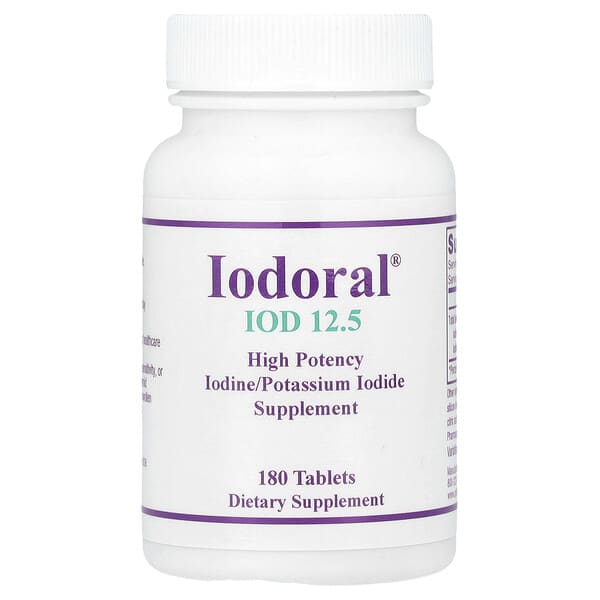
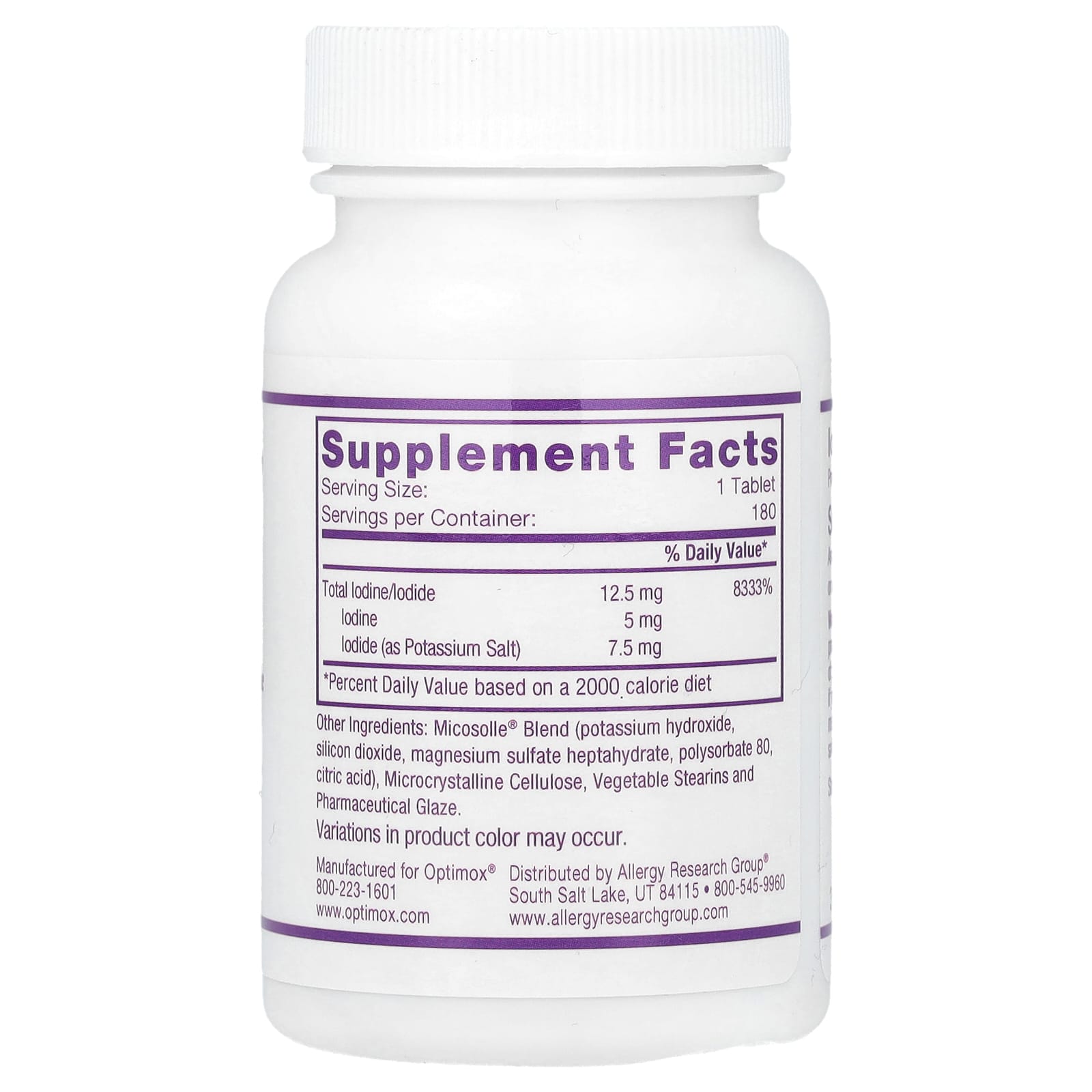
Iodine/Potassium Iodide Supplement

When it comes to brain health, nutrients like omega-3s and antioxidants often steal the spotlight. But there’s another essential nutrient that plays a critical role in cognitive function—iodine. This trace mineral is best known for its role in thyroid health, but its impact on the brain is equally profound. From supporting fetal brain development to enhancing mental clarity in adults, iodine is a powerhouse for cognitive health. Could you be missing out on its brain-boosting benefits? Let’s explore how iodine supports cognitive function and why it’s a must-have for optimal brain health.

*This page contains affiliate links. If you click and purchase, I may earn a commission at no extra cost to you.*

What is Iodine, and Why is it Important for the Brain?

Iodine is a trace element that your body cannot produce on its own, meaning you must obtain it through your diet. It’s essential for the production of thyroid hormones, which regulate metabolism, growth, and development. But iodine’s benefits extend far beyond the thyroid—it’s also crucial for brain health. During pregnancy and early childhood, iodine is vital for brain development, while in adults, it supports mental clarity, focus, and overall cognitive function.

How Iodine Boosts Cognitive Function

Iodine Supplements

1. Supports Fetal Brain Development

Iodine is absolutely critical during pregnancy, as it plays a key role in the development of the fetal brain. A deficiency during this time can lead to:

  • Cretinism: A severe condition characterized by intellectual disabilities and stunted physical growth.
  • Developmental Delays: Even mild iodine deficiency can impair a child’s cognitive abilities and motor skills.

Ensuring adequate iodine intake during pregnancy is one of the best ways to support your baby’s brain development.

2. Enhances Cognitive Function in Children

Iodine isn’t just important during pregnancy—it’s also crucial for cognitive development in early childhood. Studies have shown that iodine deficiency in children can lead to:

  • Lower IQ: Children with iodine deficiency often score lower on IQ tests and have difficulty with learning and memory.
  • Poor School Performance: Iodine-deficient children may struggle with attention, problem-solving, and academic achievement.

By ensuring children get enough iodine, parents can support their cognitive development and set them up for success.

3. Improves Mental Clarity and Focus in Adults

Iodine isn’t just for kids—it’s also essential for adult brain health. Thyroid hormones, which rely on iodine, play a key role in:

  • Mental Clarity: Adequate iodine levels help maintain focus and concentration.
  • Memory: Thyroid hormones support the hippocampus, the part of the brain responsible for memory formation.
  • Mood Regulation: Iodine helps regulate neurotransmitters that influence mood, reducing the risk of anxiety and depression.

If you’ve been feeling foggy or forgetful, low iodine levels might be to blame.

4. Protects Against Cognitive Decline

As we age, cognitive decline becomes a concern for many. Iodine may play a protective role by:

  • Supporting Brain Cell Health: Iodine helps maintain the integrity of brain cells and supports their function.
  • Reducing Oxidative Stress: As an antioxidant, iodine helps neutralize free radicals that can damage brain cells.

By ensuring adequate iodine intake, you can support long-term brain health and reduce the risk of age-related cognitive decline.

How to Get Enough Iodine for Brain Health

Ensuring adequate iodine intake is easier than you might think. Here are some of the best dietary sources:

  • Seafood: Fish, shellfish, and seaweed (like kelp and nori) are among the richest sources of iodine.
  • Dairy Products: Milk, cheese, and yogurt provide a good amount of iodine.
  • Iodized Salt: Many countries fortify table salt with iodine to prevent deficiency.
  • Eggs: Eggs contain small amounts of iodine.
  • Fruits and Vegetables: The iodine content in produce varies depending on the soil in which they are grown.

Are You at Risk of Iodine Deficiency?

Certain factors can increase your risk of iodine deficiency, including:

  • Poor Diet: A diet lacking in iodine-rich foods can lead to deficiency.
  • Pregnancy and Lactation: Iodine requirements increase during these periods.
  • Living in Iodine-Deficient Areas: Some regions have low iodine levels in the soil, affecting the iodine content of crops.

Consequences of Iodine Deficiency on Cognitive Function

Iodine deficiency can have serious consequences for brain health, including:

  • Impaired Brain Development: In children, iodine deficiency can lead to intellectual disabilities and developmental delays.
  • Reduced Cognitive Performance: In adults, low iodine levels can impair memory, focus, and problem-solving abilities.
  • Increased Risk of Neurodegenerative Diseases: Chronic iodine deficiency may contribute to cognitive decline and conditions like Alzheimer’s disease.

Final Thoughts

Iodine is a true unsung hero when it comes to brain health. From supporting fetal brain development to enhancing mental clarity in adults, this trace mineral is essential for optimal cognitive function. By ensuring adequate iodine intake through your diet or supplementation, you can support your brain health at every stage of life. If you suspect you’re not getting enough iodine, consider adding more iodine-rich foods to your diet or talking to your healthcare provider about supplementation.

References

  1. Zimmermann, M. B. (2009). Iodine deficiency. Endocrine Reviews, 30(4), 376-408.
  2. Bleichrodt, N., & Born, M. P. (1994). A meta-analysis of research on iodine and its relationship to cognitive development. The Iodine Deficiency Disorders, 195-200.

How Iodine Supports Thyroid Health: The Key to a Balanced Metabolism and Energy

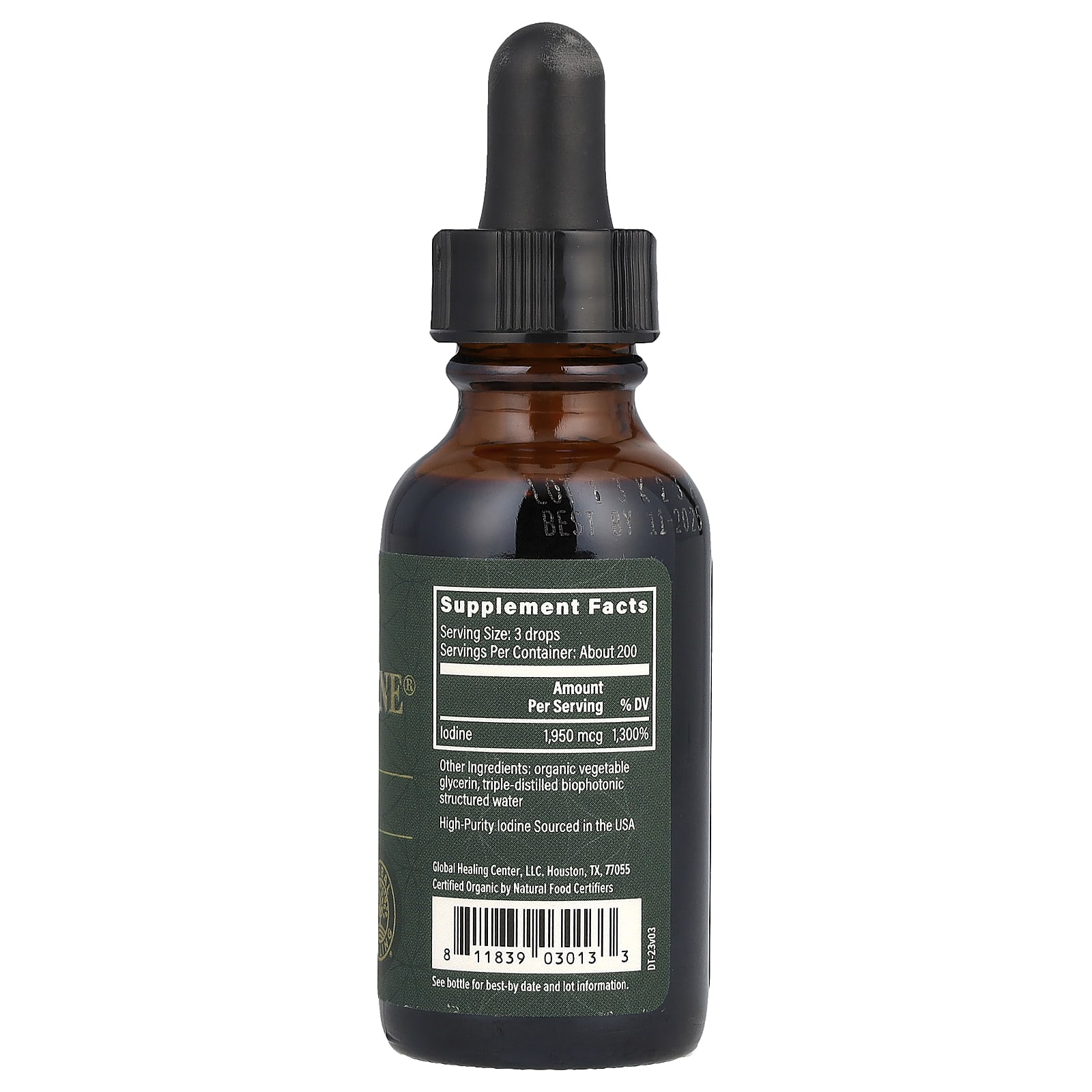
1,950 mcg, 1 fl oz (29.6 ml) iodine tincture

Your thyroid gland might be small, but it plays a massive role in keeping your body running smoothly. Often referred to as the body’s “master regulator,” the thyroid controls everything from your metabolism to your energy levels. And at the heart of thyroid function is iodine—a trace mineral that’s absolutely essential for producing thyroid hormones. But what happens when you don’t get enough iodine? And how can this nutrient help you maintain a healthy thyroid? Let’s dive into the science of iodine and its critical role in supporting thyroid health.

*This page contains affiliate links. If you click and purchase, I may earn a commission at no extra cost to you.*

What is Iodine, and Why is it Vital for Your Thyroid?

Iodine is a trace element that your body cannot produce on its own, meaning you must obtain it through your diet. It’s a key component of thyroid hormones, specifically thyroxine (T4) and triiodothyronine (T3). These hormones are responsible for regulating your metabolism, energy production, and overall growth and development. Without enough iodine, your thyroid can’t function properly, leading to a cascade of health issues.

Iodine for thyroid healthy and a balanced metabolism

How Iodine Supports Thyroid Health

1. Essential for Thyroid Hormone Production

Your thyroid gland absorbs iodine from your bloodstream to produce T4 and T3 hormones. These hormones are critical for:

  • Regulating Metabolism: Thyroid hormones control how quickly your body converts food into energy. A well-functioning thyroid helps maintain a healthy weight and energy levels.
  • Maintaining Body Temperature: Thyroid hormones help keep your body temperature stable, ensuring you don’t feel too hot or too cold.
  • Supporting Growth and Development: In children, thyroid hormones are essential for normal growth and brain development.

Without adequate iodine, your thyroid can’t produce enough hormones, leading to hypothyroidism—a condition characterized by fatigue, weight gain, and cold intolerance.

2. Prevents Goiter and Thyroid Enlargement

One of the most visible signs of iodine deficiency is goiter, an enlargement of the thyroid gland. When your body lacks iodine, the thyroid works overtime to produce hormones, causing it to swell. This can lead to:

  • Neck Swelling: A visible bulge in the neck, which can cause discomfort or difficulty swallowing.
  • Thyroid Dysfunction: Goiter is often a sign of an underactive or overactive thyroid.

Ensuring adequate iodine intake can prevent goiter and support normal thyroid function.

3. Supports Energy Levels and Reduces Fatigue

Feeling sluggish? Your thyroid might be to blame. Since thyroid hormones regulate metabolism, low iodine levels can lead to:

  • Low Energy: A sluggish metabolism can leave you feeling tired and lethargic.
  • Brain Fog: Poor thyroid function can affect cognitive performance, making it harder to focus and think clearly.

By supporting thyroid hormone production, iodine helps keep your energy levels stable and your mind sharp.

4. Balances Hormones and Improves Mood

Your thyroid doesn’t just regulate metabolism—it also plays a role in mood and emotional well-being. Low iodine levels can lead to:

  • Mood Swings: Thyroid imbalances are often linked to anxiety, depression, and irritability.
  • Hormonal Imbalances: Thyroid hormones interact with other hormones in your body, affecting everything from menstrual cycles to stress responses.

By ensuring adequate iodine intake, you can support a balanced mood and overall emotional health.

How to Get Enough Iodine for Thyroid Health

Ensuring adequate iodine intake is easier than you might think. Here are some of the best dietary sources:

  • Seafood: Fish, shellfish, and seaweed (like kelp and nori) are among the richest sources of iodine.
  • Dairy Products: Milk, cheese, and yogurt provide a good amount of iodine.
  • Iodized Salt: Many countries fortify table salt with iodine to prevent deficiency.
  • Eggs: Eggs contain small amounts of iodine.
  • Fruits and Vegetables: The iodine content in produce varies depending on the soil in which they are grown.

Are You at Risk of Iodine Deficiency?

Certain factors can increase your risk of iodine deficiency, including:

  • Poor Diet: A diet lacking in iodine-rich foods can lead to deficiency.
  • Pregnancy and Lactation: Iodine requirements increase during these periods.
  • Living in Iodine-Deficient Areas: Some regions have low iodine levels in the soil, affecting the iodine content of crops.

Consequences of Iodine Deficiency on Thyroid Health

Iodine deficiency can lead to a range of thyroid-related health problems, including:

  • Hypothyroidism: Low thyroid hormone levels, leading to symptoms like fatigue, weight gain, and depression.
  • Goiter: An enlarged thyroid gland, often visible as a swelling in the neck.
  • Pregnancy Complications: Iodine deficiency during pregnancy can result in miscarriage, stillbirth, or congenital abnormalities.

Final Thoughts

Iodine is a cornerstone of thyroid health, playing a critical role in hormone production, metabolism, and energy levels. By ensuring adequate iodine intake through your diet or supplementation, you can support a healthy thyroid and overall well-being. If you suspect you’re not getting enough iodine, consider adding more iodine-rich foods to your diet or talking to your healthcare provider about supplementation.

References

  1. Zimmermann, M. B. (2009). Iodine deficiency. Endocrine Reviews, 30(4), 376-408.
  2. Pearce, E. N., Andersson, M., & Zimmermann, M. B. (2013). Global iodine nutrition: Where do we stand in 2013? Thyroid, 23(5), 523-528.

Is Iodine the Missing Link to Your Thyroid Health and Energy Levels?

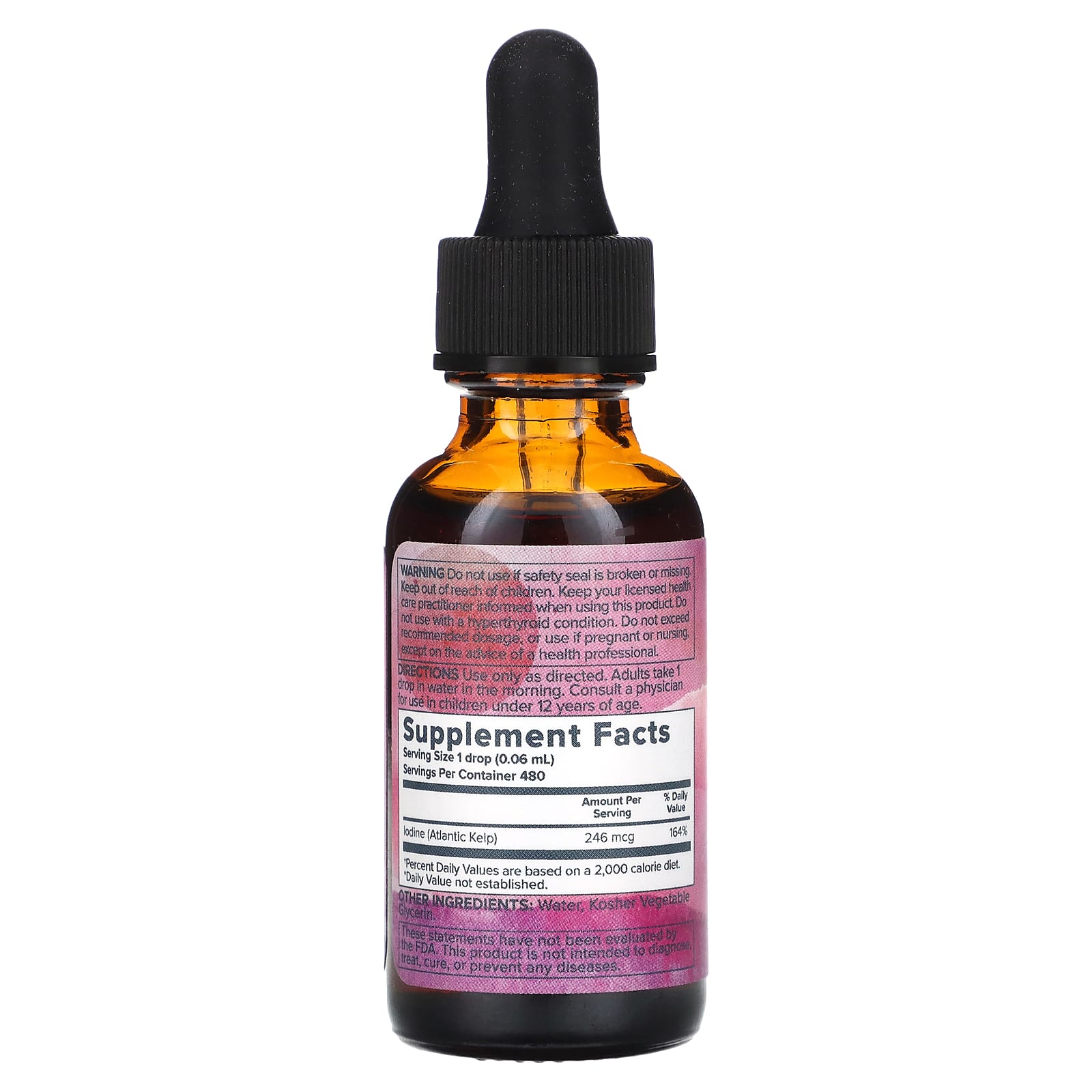
Nascent iodine is a consumable form of iodine, and it contains an electromagnetic charge

When it comes to essential nutrients, iodine often doesn’t get the attention it deserves. Yet, this trace mineral is a cornerstone of health, playing a critical role in thyroid function, brain development, and immune support. Despite its importance, iodine deficiency remains a global issue, affecting millions of people. Could you be missing out on the benefits of iodine? Let’s explore why this mineral is so vital and how you can ensure you’re getting enough of it.

*This page contains affiliate links. If you click and purchase, I may earn a commission at no extra cost to you.*

What is Iodine, and Why Does It Matter?

Iodine is a trace element that your body cannot produce on its own, meaning you must obtain it through your diet. It’s best known for its role in thyroid health, but its benefits extend far beyond that. Iodine is essential for the production of thyroid hormones, which regulate metabolism, growth, and development. Without enough iodine, your body can’t function optimally, leading to a host of health issues.

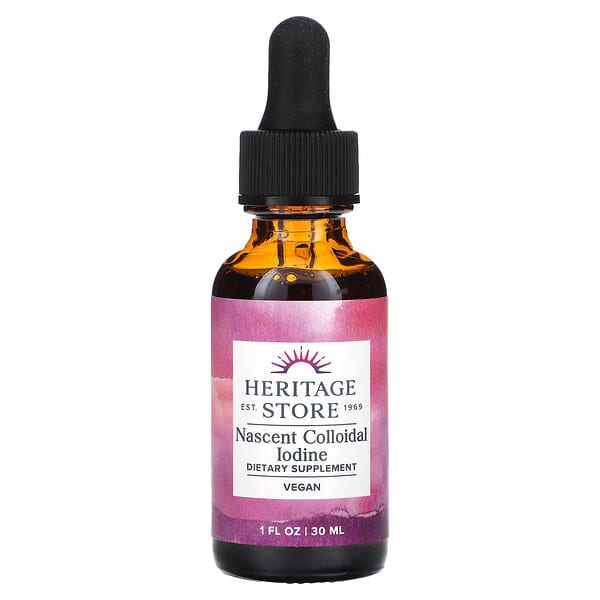
Heritage Store Supplements

The Top Benefits of Iodine

1. Supports Thyroid Health

Your thyroid gland relies on iodine to produce thyroid hormones, primarily thyroxine (T4) and triiodothyronine (T3). These hormones are responsible for:

  • Regulating Metabolism: Thyroid hormones control how quickly your body converts food into energy.
  • Maintaining Body Temperature: They help keep your body temperature stable.
  • Supporting Growth and Development: In children, thyroid hormones are critical for normal growth and brain development.

Without adequate iodine, your thyroid can’t produce enough hormones, leading to hypothyroidism. Symptoms include fatigue, weight gain, and cold intolerance.

2. Boosts Cognitive Function

Iodine is especially important for brain development and cognitive function. It plays a critical role during pregnancy and early childhood, but its benefits extend to adults as well.

  • Fetal Brain Development: Iodine deficiency during pregnancy can lead to cretinism, a severe condition characterized by intellectual disabilities and stunted growth.
  • Cognitive Function in Children: Even mild iodine deficiency can impair a child’s IQ and learning abilities.
  • Mental Clarity in Adults: Iodine supports focus, memory, and overall brain health.

3. Strengthens the Immune System

Iodine has natural antimicrobial properties, making it a powerful ally for your immune system. It can:

  • Kill Harmful Microorganisms: Iodine can destroy bacteria, viruses, and fungi, making it useful for wound care and infection prevention.
  • Support Immune Response: Adequate iodine levels may enhance your body’s ability to fight off infections.

4. Promotes Detoxification

In today’s world, toxins are everywhere—from the air we breathe to the food we eat. Iodine plays a role in detoxification by:

  • Binding to Heavy Metals: Iodine can help your body eliminate harmful substances like lead and mercury.
  • Neutralizing Free Radicals: As an antioxidant, iodine protects your cells from oxidative stress and damage.

5. Supports Reproductive Health

Iodine is essential for reproductive health in both men and women. It plays a role in:

  • Fertility: Low iodine levels have been linked to infertility and menstrual irregularities.
  • Pregnancy and Lactation: Iodine is crucial for fetal development and milk production during breastfeeding.

How to Get More Iodine

Ensuring adequate iodine intake is easier than you might think. Here are some of the best dietary sources:

  • Seafood: Fish, shellfish, and seaweed (like kelp and nori) are among the richest sources of iodine.
  • Dairy Products: Milk, cheese, and yogurt provide a good amount of iodine.
  • Iodized Salt: Many countries fortify table salt with iodine to prevent deficiency.
  • Eggs: Eggs contain small amounts of iodine.
  • Fruits and Vegetables: The iodine content in produce varies depending on the soil in which they are grown.

Are You at Risk of Iodine Deficiency?

Certain factors can increase your risk of iodine deficiency, including:

  • Poor Diet: A diet lacking in iodine-rich foods can lead to deficiency.
  • Pregnancy and Lactation: Iodine requirements increase during these periods.
  • Living in Iodine-Deficient Areas: Some regions have low iodine levels in the soil, affecting the iodine content of crops.

Consequences of Iodine Deficiency

Iodine deficiency can lead to a range of health problems, collectively known as iodine deficiency disorders (IDDs). These include:

  • Goiter: An enlargement of the thyroid gland, often visible as a swelling in the neck.
  • Hypothyroidism: Low thyroid hormone levels, leading to symptoms like fatigue, weight gain, and depression.
  • Cognitive Impairments: Iodine deficiency can impair brain development and cognitive function, particularly in children.
  • Pregnancy Complications: Iodine deficiency during pregnancy can result in miscarriage, stillbirth, or congenital abnormalities.

Final Thoughts

Iodine is a true unsung hero in the world of health and wellness. From supporting thyroid health to boosting brainpower and strengthening your immune system, this trace mineral is essential for optimal well-being. If you suspect you’re not getting enough iodine, consider adding more iodine-rich foods to your diet or talking to your healthcare provider about supplementation.

References

  1. Zimmermann, M. B. (2009). Iodine deficiency. Endocrine Reviews, 30(4), 376-408.
  2. Pearce, E. N., Andersson, M., & Zimmermann, M. B. (2013). Global iodine nutrition: Where do we stand in 2013? Thyroid, 23(5), 523-528.

Collagen Makes Up 30% of Your Body's Protein Content

Collagen is the most abundant protein in your body, making up about 30% of your total protein content. As we age, our natural collagen pr...