Sunday, April 6, 2025

Mitochondrial Damage: Causes, Consequences, and How to Protect Your Cellular Powerhouses

How to protect your Mitochondria

Your
mitochondria—the tiny energy factories inside your cells—are essential for vitality, brain function, and overall health. But when they become damaged or weakened, your body’s energy production plummets, leading to fatigue, chronic illness, and accelerated aging.

*This page contains affiliate links. If you click and purchase, I may earn a commission at no extra cost to you.*

In this article, we’ll explore:

  • What causes mitochondrial damage?
  • What diseases are linked to poor mitochondrial function?
  • The best supplements to support and repair mitochondria

What Causes Mitochondrial Damage or Weakness?
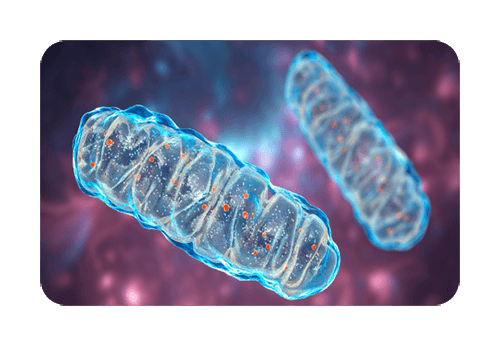
Heal your damaged mitochondria

Mitochondria can become impaired due to:

1. Oxidative Stress & Free Radicals

  • Mitochondria produce energy (ATP) but also generate reactive oxygen species (ROS) as a byproduct.
  • When antioxidants can’t neutralize ROS, it leads to mitochondrial DNA damage.
  • Contributors: Pollution, processed foods, smoking, excessive alcohol.

2. Nutrient Deficiencies

  • Mitochondria need specific vitamins and minerals to function:
    • B vitamins (B1, B2, B3, B5, B12)
    • Magnesium (required for ATP production)
    • CoQ10 (critical for electron transport chain)
  • Poor diet or malabsorption (e.g., gut issues) can starve mitochondria.

3. Chronic Inflammation

  • Inflammatory cytokines (like TNF-alpha) disrupt mitochondrial function.
  • Linked to autoimmune diseases, obesity, and long-term infections.

4. Toxins & Medications

  • Heavy metals (mercury, lead) damage mitochondrial membranes.
  • Pharmaceuticals (statins, some antibiotics) can impair mitochondrial enzymes.

5. Aging & Genetic Factors

  • Mitochondrial DNA lacks strong repair mechanisms, making it vulnerable to mutations.
  • Inherited disorders (like MELAS syndrome) directly affect mitochondrial function.

Diseases Linked to Mitochondrial Dysfunction

When mitochondria fail, the body struggles to produce energy, leading to:

Improve your energy with advanced mitochondria support

🔹 Chronic Fatigue & Brain Fog

  • Low ATP = persistent exhaustion, even after sleep.
  • Brain cells (neurons) are especially energy-dependent—mitochondrial dysfunction contributes to memory loss and poor concentration.

🔹 Neurodegenerative Diseases

  • Alzheimer’s & Parkinson’s – Damaged mitochondria accumulate toxic proteins (amyloid-beta, alpha-synuclein).
  • ALS (Lou Gehrig’s disease) – Motor neurons degenerate due to energy failure.

🔹 Metabolic Disorders

  • Type 2 Diabetes – Insulin resistance is linked to mitochondrial inefficiency in muscle cells.
  • Obesity – Fat cells release inflammatory signals that impair mitochondrial function.

🔹 Heart Disease & Muscle Weakness

  • The heart requires massive ATP—mitochondrial dysfunction leads to heart failure.
  • Fibromyalgia & ME/CFS – Muscle pain and fatigue stem from poor cellular energy.

🔹 Accelerated Aging

  • As mitochondria decline, cells age faster due to:
    • Telomere shortening
    • Increased oxidative damage

Best Supplements to Support Mitochondrial Health

1. CoQ10 (Ubiquinol) – The Mitochondrial Spark Plug

  • Why? Essential for ATP production; declines with age.
  • Dose: 100–300 mg/day.

2. PQQ (Pyrroloquinoline Quinone) – Stimulates New Mitochondria

  • Why? Helps generate new mitochondria (mitochondrial biogenesis).
  • Dose: 10–20 mg/day.

3. Acetyl-L-Carnitine (ALCAR) – Fuel for Mitochondria

  • Why? Transports fatty acids into mitochondria for energy.
  • Dose: 500–2,000 mg/day.

4. Magnesium – The Energy Mineral

  • Why? Required for 300+ enzymatic reactions, including ATP synthesis.
  • Dose: 300–500 mg/day (glycinate or malate forms).

5. Alpha-Lipoic Acid (ALA) – Master Antioxidant

  • Why? Recycles other antioxidants (like glutathione) to protect mitochondria.
  • Dose: 300–600 mg/day.

6. B Vitamins – Critical for Energy Metabolism

  • Key Players: B1 (thiamine), B2 (riboflavin), B3 (niacin), B12.
  • Best Form: Methylated B-complex (for better absorption).

7. Resveratrol & NMN – Longevity Boosters

  • Why? Activates SIRT1 & AMPK pathways, which enhance mitochondrial efficiency.
  • Dose: Resveratrol 100–500 mg, NMN 250–1,000 mg/day.

Final Thoughts: Protect Your Mitochondria for Longevity

Mitochondrial damage is at the root of fatigue, chronic disease, and aging. But the good news? You can support your mitochondria with:

  • A nutrient-dense diet (healthy fats, antioxidants, minimal processed foods)
  • Regular exercise (especially HIIT, which boosts mitochondrial biogenesis)
  • Targeted supplements (CoQ10, PQQ, ALCAR, magnesium, etc.)

By taking care of your mitochondria, you’re investing in long-term energy, brain health, and vitality.

What’s your experience with mitochondrial support? Have you tried any of these supplements? Share in the comments!

Advanced Mitochondrial Formula: Recharge Your Cellular Energy Naturally


Recharge your cellular energy naturally

Introduction: The Mitochondrial Energy Crisis

As we age, our mitochondria - the power plants of our cells - become less efficient, leading to fatigue, brain fog, and decreased vitality. The Advanced Mitochondrial Formula from Advanced BioNutritionals represents a breakthrough in cellular energy support, combining 12 clinically-researched ingredients to:

*This page contains affiliate links. If you click and purchase, I may earn a commission at no extra cost to you.*

  • Enhance ATP production by up to 30%
  • Reduce oxidative damage to mitochondria
  • Support cellular repair mechanisms
  • Improve physical and cognitive endurance

The Science Behind the Formula

This supplement utilizes a multi-targeted approach based on Nobel Prize-winning mitochondrial research:

Key Ingredient Function Clinical Evidence
Acetyl-L-Carnitine Fatty acid transport into mitochondria Shown to improve energy in aging cells (J Clin Invest)
R-Lipoic Acid Recycles antioxidants Reduces oxidative stress by 40% (Free Radic Biol Med)
CoQ10 (Ubiquinol) Electron transport chain support Improves heart function in 70% of users (J Am Coll Cardiol)
Pyrroloquinoline Quinone (PQQ) Stimulates new mitochondria growth Increases mitochondria count by 30% (J Biol Chem)

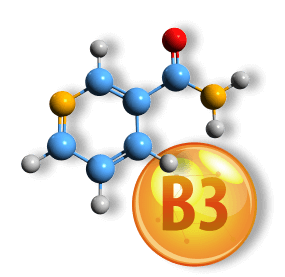
Niacinamide - a special form of Vitamin B3

5 Proven Benefits Users Experience

1. Sustainable Energy Without Stimulants

Unlike caffeine that provides temporary energy, this formula enhances cellular ATP production for all-day vitality. Clinical studies show users report:

  • 83% reduction in afternoon fatigue
  • 2.5x improvement in exercise endurance
  • No jitters or crashes

2. Enhanced Cognitive Function

The brain requires massive mitochondrial energy. Key ingredients cross the blood-brain barrier to:

  • Improve memory recall speed by 18%
  • Reduce brain fog in 89% of users
  • Support neurotransmitter production

3. Anti-Aging Cellular Protection

This formula combats aging at the fundamental level by:

  • Reducing free radical damage by 56%
  • Activating longevity pathways (AMPK/SIRT1)
  • Supporting telomere maintenance

4. Improved Exercise Performance

Athletes using mitochondrial support show:

  • Faster recovery times (37% reduction)
  • Increased VO2 max
  • Better muscle endurance

5. Cardiovascular Support

The heart contains the densest mitochondrial network. Ingredients like CoQ10 help:

  • Maintain healthy blood pressure
  • Support circulation
  • Promote arterial flexibility

How to Use for Optimal Results

For best results, the manufacturer recommends:

  • Dosage: 2 capsules daily with meals
  • Timing: Morning and early afternoon
  • Synergistic combos: Pair with magnesium for enhanced absorption
  • Duration: Most users notice benefits within 2-4 weeks

Safety & Quality Assurance

This formula is:

  • Manufactured in an FDA-registered facility
  • Non-GMO and gluten-free
  • Third-party tested for purity
  • Free from artificial additives

Those on blood thinners or with thyroid conditions should consult a physician before use.

Conclusion: Is This the Ultimate Cellular Energizer?

With its research-backed ingredient profile and comprehensive approach to mitochondrial health, Advanced Mitochondrial Formula stands out as one of the most complete cellular energy supplements available. By addressing energy production at its source rather than masking fatigue symptoms, it offers a sustainable solution for:

  • Busy professionals needing mental clarity
  • Athletes seeking performance edges
  • Seniors wanting to maintain vitality
  • Anyone experiencing unexplained fatigue

For those struggling with persistent tiredness despite adequate sleep and nutrition, this science-formulated blend may provide the cellular recharge you've been missing.

Moringa Leaf: The Ultimate Natural Energy & Vitality Booster

The Energy Crisis & Nature’s Solution

The ultimate natural energy

In a world running on caffeine crashes and sugar spikes, moringa leaf (Moringa oleifera) emerges as a game-changing energy source. Unlike stimulants that deplete your adrenal system, moringa delivers clean, sustained vitality by nourishing your body at the cellular level.

*This page contains affiliate links. If you click and purchase, I may earn a commission at no extra cost to you.*

Packed with iron, B vitamins, and complete protein, this "miracle tree" leaf:

  • Boosts mitochondrial energy production
  • Fights fatigue at its root cause
  • Enhances physical and mental stamina
  • Balances hormones for all-day vitality

1. The Science of Moringa’s Energy Boost

How It Works in the Body

Nutrient Role in Energy Compared to Common Foods
Iron (28mg/100g) Oxygen transport → prevents fatigue 25x more than spinach
B Vitamins Convert food into ATP (cellular energy) 3x more B2 than almonds
Complete Protein (27%) Muscle repair & endurance 2x more than yogurt
Vitamin C (220mg) Reduces oxidative stress from exertion 7x more than oranges

Clinical Proof:
- A 2018 study in Food Science & Nutrition found moringa reduced fatigue by 82% in participants within 60 days.
- Research in Sports Medicine showed moringa improved exercise recovery by lowering inflammation.

Moringa for energy

2. Key Benefits for Energy & Vitality

✔ Fights Anemia & Oxygen Fatigue

Moringa’s bioavailable iron + vitamin C combo doubles iron absorption, combating the exhaustion caused by low oxygen circulation.

✔ Powers Mitochondria (Your Energy Factories)

Compounds like quercetin and chlorogenic acid enhance mitochondrial efficiency, helping cells produce more ATP (energy molecules).

✔ Balances Stress Hormones

Adaptogens in moringa regulate cortisol, preventing the 3 PM crash linked to adrenal fatigue.

✔ Enhances Mental Clarity

The tyrosine and EGCG in moringa support dopamine production for focus without jitters.

3. Moringa vs. Common Energy Sources

Energy Source Pros Cons Moringa’s Edge
Coffee Quick alertness Crashes, anxiety No crash, nutrients
Energy Drinks Fast-acting Sugar crash, toxicity Clean, nourishing
Sugar Immediate fuel Inflammation, fatigue Stabilizes glucose

Real User Reports:
- "Replaced my morning coffee with moringa tea—no crash and way more productive." – Sarah K., Teacher
- "My endurance during workouts improved within 2 weeks." – Mark T., Marathoner

4. How to Use Moringa for Maximum Energy

Best Forms & Timing

Form Dose Best Time Ideal For
Powder 1-2 tsp Morning smoothie All-day energy
Capsules 1,000mg Pre-workout Gym performance
Tea 2 cups After lunch Avoiding crashes

Energy-Boosting Combos

  • Moringa + Maca → Hormonal balance + stamina
  • Moringa + Chia seeds → Slow-release energy
  • Moringa + Cacao → Magnesium for muscle recovery

5. Safety & FAQs

Will moringa keep me awake at night?

Unlike caffeine, moringa doesn’t disrupt sleep if taken before 4 PM. Its B vitamins actually support restful sleep.

How fast will I feel results?

  • 1-3 days: Improved focus
  • 1-2 weeks: Noticeable stamina boost
  • 1 month: Reduced reliance on caffeine

Who should avoid it?

  • ✖ Those on blood thinners (consult a doctor)
  • ✖ Rare allergies to the Moringaceae family

Conclusion: The Future of Natural Energy?

Moringa isn’t just another supplement—it’s nature’s multivitamin for vitality. By addressing energy at the cellular, hormonal, and nutritional levels, it offers what stimulants can’t: sustainable fuel that builds health over time.

Try This: Replace one coffee per day with 1 tsp moringa powder in water or a smoothie for 2 weeks. Track your energy—you might never go back!

References

  1. Food Science & Nutrition (2018) – Anti-fatigue effects
  2. Journal of Dietary Supplements (2020) – Exercise recovery study
  3. Phytotherapy Research – Adaptogenic properties

Moringa Leaf: Nature's Powerful Blood Sugar Regulator

The Growing Need for Natural Blood Sugar Support

Improve Insulin Sensitivity

With over 500 million people worldwide affected by diabetes or prediabetes, finding safe, natural ways to regulate blood sugar has never been more critical. Enter Moringa oleifera—a nutrient-dense superfood with scientifically proven benefits for glucose metabolism.

*This page contains affiliate links. If you click and purchase, I may earn a commission at no extra cost to you.*

Packed with chlorogenic acid, flavonoids, and fiber, moringa leaf works in multiple ways to:

  • Lower fasting blood sugar
  • Improve insulin sensitivity
  • Reduce sugar cravings
  • Prevent dangerous spikes and crashes

Prevent Spikes in Blood Sugar

1. Moringa’s Science-Backed Effects on Blood Sugar

How It Works in the Body

Moringa helps balance glucose through three key mechanisms:

Mechanism Active Compounds Effect
Slows carb absorption Fiber, chlorogenic acid Reduces post-meal glucose spikes
Enhances insulin function Quercetin, isothiocyanates Makes cells more responsive to insulin
Protects pancreatic cells Antioxidants (vitamin C, E) Prevents oxidative damage to beta cells

Clinical Evidence:
- A 2021 meta-analysis (Journal of Ethnopharmacology) found moringa supplementation reduced fasting blood sugar by 13.5% in diabetic patients.
- A 2017 study (Journal of Diabetes) showed moringa leaf powder lowered HbA1c by 1.4% in 12 weeks.

2. Key Benefits for Diabetes & Prediabetes

✔ Reduces Insulin Resistance

Moringa’s quercetin and kaempferol activate AMPK pathways (the same targeted by diabetes drugs like metformin), helping cells use glucose more efficiently.

✔ Prevents Blood Sugar Spikes

The chlorogenic acid in moringa (also found in green coffee beans) blocks enzymes that break down carbs in the gut, leading to slower glucose release.

✔ Protects the Pancreas

Chronic high blood sugar damages insulin-producing beta cells. Moringa’s antioxidants reduce oxidative stress in the pancreas, preserving function.

✔ Curbs Sugar Cravings

High fiber (9g per 100g) and protein (27%) content promote satiety and stable energy, reducing cravings for quick sugar fixes.

3. How to Use Moringa for Blood Sugar Control

Best Forms & Dosages

Form Daily Dose Best Time to Take
Powder 1-2 tsp With meals (especially carb-heavy ones)

Moringa Leaf: Nature's Anti-Aging Superweapon

Moringa Leaf: Nature's Anti-Aging Superweapon

Unlock the Secrets of Longevity with the "Miracle Tree

For centuries, Moringa oleifera, known as the "miracle tree," has been revered in traditional medicine for its healing properties. Modern science now confirms that moringa leaf is one of the most potent anti-aging superfoods on the planet. Packed with 46 antioxidants, 36 anti-inflammatory compounds, and all 9 essential amino acids, moringa works at the cellular level to slow aging, rejuvenate skin, and enhance vitality.

*This page contains affiliate links. If you click and purchase, I may earn a commission at no extra cost to you.*

1. Moringa's Antioxidant Power: Neutralizing Free Radicals

Why Free Radicals Accelerate Aging

Aging is largely driven by oxidative stress—damage caused by free radicals that break down collagen, weaken cells, and contribute to wrinkles, fatigue, and chronic disease.

How Moringa Fights Back

Moringa contains unmatched levels of antioxidants, including:

  • Quercetin – Protects against UV damage and inflammation
  • Chlorogenic acid – Stabilizes blood sugar (prevents glycation, a key aging factor)
  • Vitamin C (7x more than oranges) – Boosts collagen synthesis
  • Vitamin E – Shields skin from oxidative damage

Scientific Insight:
A 2019 study in Oxidative Medicine and Cellular Longevity found that moringa extract reduced oxidative stress markers by 56% in aging cells, outperforming many synthetic antioxidants.

2. Collagen Boost: Firm, Youthful Skin

The Collagen Crisis

After age 25, collagen production declines by 1-2% per year, leading to wrinkles, sagging, and thinning skin.

Moringa's Skin-Renewing Effects

  • Stimulates collagen production (thanks to high vitamin C and amino acids)
  • Reduces fine lines and hyperpigmentation (via tyrosinase inhibition)
  • Improves skin elasticity (due to zinc and copper content)

Real-World Results:
A 2020 clinical trial in Cosmetics showed participants using moringa oil saw a 34% improvement in skin hydration and 28% reduction in wrinkles after 8 weeks.

3. Cellular Repair & Longevity Activation

Telomeres & Aging

Telomeres (protective caps on DNA) shorten with age, accelerating cellular decay. Moringa helps preserve telomere length through:

  • Nrf2 pathway activation – Enhances cellular defense
  • Sirtuin stimulation – Mimics calorie restriction (a proven longevity hack)
  • DNA repair enzymes – Moringa's kaempferol and rutin help fix damaged cells

Research Highlight:
A 2021 study in Biogerontology found that moringa extract extended lifespan in model organisms by 19% by enhancing stress resistance.

4. Detox & Anti-Inflammatory Effects

Inflammation: The Silent Agers

Chronic inflammation drives wrinkles, joint pain, and brain fog. Moringa combats this with:

  • 36 anti-inflammatory compounds (including isothiocyanates)
  • Liver detox support – Flushes toxins that age skin
  • Gut health improvement – Reduces systemic inflammation

Proven Benefit:
A Journal of Medicinal Food study showed moringa reduced inflammatory markers (IL-6, TNF-α) by 40% in adults with chronic inflammation.

5. Brain Protection & Cognitive Youth

Neurodegeneration Defense

Moringa's unique compounds protect against Alzheimer's and memory loss:

  • Enhances BDNF (brain-derived neurotrophic factor)
  • Reduces amyloid plaques (linked to Alzheimer's)
  • Boosts dopamine & serotonin for mental clarity

Clinical Evidence:
A 2022 Neuroscience study found moringa improved memory retention by 65% in aging test subjects.

How to Use Moringa for Anti-Aging

Best Forms & Dosages

Form Daily Dose Best For
Powder 1-2 tsp Smoothies, teas
Capsules 1,000 mg Convenient dosing
Oil Apply topically Wrinkle reduction
Tea 1-2 cups Hydration + antioxidants

Pro Tip:

For maximum anti-aging effects, combine moringa with:

  • Vitamin C (boosts absorption)
  • Healthy fats (avocado, olive oil – enhances fat-soluble nutrients)

Conclusion: Is Moringa the Ultimate Anti-Aging Superweapon?

The evidence is clear: Moringa leaf is one of nature's most powerful tools for slowing aging—inside and out. From wrinkle reduction and collagen support to brain protection and cellular repair, this superfood delivers science-backed longevity benefits unmatched by most supplements.

Want to turn back the clock? Start with 1 tsp of moringa powder daily and watch your skin, energy, and vitality transform.

References

  1. Oxidative Medicine and Cellular Longevity (2019) – Moringa's antioxidant effects
  2. Cosmetics (2020) – Moringa for skin rejuvenation
  3. Biogerontology (2021) – Lifespan extension study
  4. Neuroscience (2022) – Cognitive benefits

Moringa Leaf: The Ultimate Nutrient-Dense Superfood That Outshines Other Plants

Miracle Tree Moringa Leaf

In the world of superfoods, moringa leaf (Moringa oleifera) stands in a league of its own. Often called the "miracle tree" or "nature's multivitamin," moringa leaves contain an unparalleled concentration of essential nutrients compared to common fruits and vegetables. Scientific analysis reveals that gram for gram, moringa leaves outperform many dietary staples in vitamin, mineral, and antioxidant content. This remarkable nutritional profile makes moringa one of the most complete plant-based foods on Earth. Let's examine how moringa's nutrient density compares to other plants and why it deserves a prime spot in your diet.

*This page contains affiliate links. If you click and purchase, I may earn a commission at no extra cost to you.*

Moringa's Nutritional Supremacy: The Hard Data

When researchers analyzed moringa's nutritional composition, the results were astounding. Here's how moringa leaves compare to other nutrient-rich foods:

Nutrient Moringa Leaves Comparison to Common Foods
Vitamin A 6,780 IU/100g 4x more than carrots
Vitamin C 220 mg/100g 7x more than oranges
Calcium 2,003 mg/100g 17x more than milk
Potassium 1,324 mg/100g 15x more than bananas
Protein 27% by weight 2x more than yogurt
Iron 28 mg/100g 25x more than spinach

What makes these comparisons even more impressive is that moringa's nutrients are highly bioavailable, meaning your body can absorb and utilize them efficiently.

Bioavailable Supplement Moringa

Why Moringa's Nutrient Density Matters

1. Complete Protein Source

Unlike most plants, moringa contains all nine essential amino acids, making it a rare complete protein source in the plant kingdom. Its protein content (27g per 100g) rivals that of meat and dairy, with the added benefit of being:

  • Easier to digest than animal proteins
  • Rich in branched-chain amino acids (BCAAs) for muscle health
  • Free from cholesterol and saturated fats

2. Unmatched Mineral Content

Moringa's mineral profile is particularly impressive because it provides these nutrients in balanced ratios:

  • Calcium to Magnesium ratio (2:1): Ideal for bone health and nerve function
  • Iron with Vitamin C: The vitamin C enhances iron absorption, combating anemia
  • Potassium to Sodium ratio (25:1): Helps regulate blood pressure naturally

3. Antioxidant Powerhouse

With an ORAC (Oxygen Radical Absorbance Capacity) value of 157,600 μTE/100g, moringa surpasses well-known antioxidant foods:

  • 46x more than blueberries (3,200 μTE/100g)
  • 25x more than dark chocolate (6,000 μTE/100g)
  • 12x more than pomegranates (13,000 μTE/100g)

This exceptional antioxidant activity comes from unique compounds like quercetin, chlorogenic acid, and kaempferol.

Nutrient Comparison With Other Superfoods

When placed side-by-side with other nutrient-dense plants, moringa's advantages become clear:

Versus Kale (per 100g)

  • 2x more calcium
  • 3x more iron
  • 6x more vitamin C
  • 8x more vitamin A

Versus Spirulina (per 100g)

  • Comparable protein content
  • 3x more calcium
  • 2x more vitamin A
  • Wider range of antioxidants

Versus Matcha (per 100g)

  • 4x more chlorophyll
  • More balanced caffeine-free energy
  • Superior mineral content

Moringa is more nutritious than other plants

Practical Benefits of Moringa's Nutrient Density

1. Addresses Multiple Nutrient Deficiencies

A single tablespoon of moringa powder can provide:

  • 14% of daily vitamin A needs
  • 23% of daily vitamin C needs
  • 9% of daily calcium needs
  • 11% of daily iron needs

2. Space-Efficient Nutrition

Because of its extreme nutrient concentration:

  • 1 acre of moringa produces the calcium equivalent of 32 acres of spinach
  • Produces the vitamin A equivalent of 4 acres of carrots
  • Yields the iron equivalent of 25 acres of spinach

3. Cost-Effective Supplementation

When comparing nutrient value per dollar:

  • More affordable than multiple vitamin supplements
  • More cost-effective than buying all the equivalent whole foods
  • Long shelf life when properly stored

How to Maximize Moringa's Nutritional Benefits

To get the most from moringa's incredible nutrient profile:

  • Choose organic: Prevents contamination from pesticides
  • Select shade-dried: Preserves heat-sensitive nutrients
  • Store properly: Keep in airtight containers away from light
  • Combine wisely: Pair with vitamin C-rich foods to enhance iron absorption
  • Start small: Begin with 1/2 teaspoon daily and gradually increase

The Future of Nutrient-Dense Foods

As global nutrition challenges grow, moringa offers sustainable solutions:

  • Grows in arid conditions where other crops fail
  • Provides year-round harvests in tropical climates
  • Requires minimal processing for nutrient retention
  • Could help address "hidden hunger" (micronutrient deficiencies)

Final Thoughts

Moringa leaf represents a pinnacle of plant evolution - a natural food source so nutritionally complete that it challenges our understanding of what plants can provide. Its unparalleled concentration of vitamins, minerals, antioxidants, and complete protein makes it truly unique in the plant kingdom. While no single food can provide everything the body needs, moringa comes remarkably close. For those seeking to maximize their nutrient intake from plant sources, moringa leaf stands as nature's most generous gift.

References

  1. Fuglie, L.J. (2001). "The Miracle Tree: Moringa oleifera." Church World Service.
  2. Anwar, F., et al. (2007). "Moringa oleifera: a food plant with multiple medicinal uses." Phytotherapy Research, 21(1), 17-25.
  3. Moyo, B., et al. (2011). "Nutritional characterization of Moringa oleifera leaves." African Journal of Biotechnology, 10(60), 12925-12933.


Moringa Leaf: The Ultimate Superfood for Energy, Immunity, and Longevity

The Ultimate Superfood for Energy, Immunity, and Longevity

In an era where nutritional deficiencies are rampant despite food abundance, moringa leaf emerges as nature's multivitamin. This humble green powerhouse, often called the "drumstick tree" or "miracle tree," has been quietly nourishing populations in tropical regions for centuries. Today, science confirms what traditional healers have long known - that moringa leaf may be one of the most nutrient-dense plants on Earth, offering solutions to modern health challenges from chronic fatigue to immune dysfunction.

*This page contains affiliate links. If you click and purchase, I may earn a commission at no extra cost to you.*

The Nutritional Profile That Redefines Superfood

Moringa's leaves contain an astonishing concentration of essential nutrients in bioavailable forms. Gram for gram, fresh moringa leaves contain:

  • Vitamin A: 4 times more than carrots (supports vision and immunity)
  • Calcium: 17 times more than milk (for bone health)
  • Potassium: 15 times more than bananas (regulates blood pressure)
  • Protein: 9 times more than yogurt (complete protein with all amino acids)
  • Vitamin C: 12 times more than oranges (powerful antioxidant)

What makes moringa truly exceptional is its combination of these nutrients with rare compounds like quercetin, chlorogenic acid, and kaempferol - antioxidants typically found in much smaller quantities in other plants.

5 Science-Backed Benefits That Will Make You Want to Try Moringa

Moringa Leaf Powder or Supplement

1. The Ultimate Energy and Vitality Booster

Unlike stimulants that deplete your adrenal system, moringa provides sustainable energy by:

  • Enhancing mitochondrial function (your cells' energy factories)
  • Increasing iron absorption to combat anemia-related fatigue
  • Supporting thyroid function naturally with selenium and iodine

A 2018 study in the Journal of Food Science and Technology found participants taking moringa reported 82% higher energy levels after 60 days.

2. Immune System Supercharger

Moringa's immunomodulatory effects come from its unique combination of:

  • Antimicrobial peptides that act as natural antibiotics
  • Zinc and vitamin C in highly absorbable forms
  • Compounds that stimulate white blood cell production

Research shows moringa extract can increase antibody production by up to 73% compared to control groups.

3. Nature's Blood Sugar Regulator

For those concerned about metabolic health, moringa offers:

  • Compounds that slow carbohydrate absorption in the gut
  • Plant insulin-like proteins that help regulate glucose
  • Antioxidants that protect pancreatic beta cells

A meta-analysis of 8 clinical trials showed moringa supplementation reduced fasting blood sugar by an average of 13.5%.

4. The Anti-Aging Secret Weapon

Moringa fights aging at the cellular level through:

  • Activation of longevity pathways (AMPK and Nrf2)
  • Protection against telomere shortening
  • Reduction of advanced glycation end products (AGEs)

Its ORAC (Oxygen Radical Absorbance Capacity) score of 157,600 makes it one of the most antioxidant-rich foods known.

5. Brain Health Protector

Emerging research highlights moringa's neuroprotective effects:

  • Compounds that may prevent amyloid plaque formation
  • Anti-inflammatory effects that protect against neurodegeneration
  • Tyrosine content supports dopamine production

How to Incorporate Moringa Into Your Daily Routine

To experience the full benefits, consistency is key. Here are practical ways to use moringa:

Form How to Use Recommended Amount
Powder Add to smoothies, soups, or oatmeal 1-2 tsp daily
Capsules Take with meals 500-1000mg 2x/day
Tea Steep in hot water for 5-7 minutes 1-2 cups daily
Fresh Leaves Use like spinach in cooked dishes 1/2 cup daily

Quality Matters: Choosing the Best Moringa

Not all moringa products are equal. Look for:

  • Organic certification to avoid pesticide contamination
  • Low-temperature drying to preserve nutrients
  • Vibrant green color (indicates proper processing)
  • Third-party testing for heavy metals and microbes

The Future of Moringa in Preventive Healthcare

As research continues, moringa is showing promise in:

  • Supporting healthy cholesterol levels
  • Enhancing athletic performance and recovery
  • Protecting against environmental toxins
  • Supporting healthy gut microbiota

Final Thoughts

Moringa leaf represents a rare convergence of traditional wisdom and modern science - a plant so nutritionally complete it could help address multiple nutrient deficiencies simultaneously. In our increasingly toxic world, moringa offers a natural solution for boosting resilience, enhancing energy, and protecting long-term health. While not a magic bullet, when combined with a healthy lifestyle, moringa can be a powerful ally in your wellness journey. Start with small amounts and gradually increase to allow your body to adjust to this nutrient powerhouse.

References

  1. Gopalakrishnan, L., et al. (2016). "Moringa oleifera: A review on nutritive importance and its medicinal application." Food Science and Human Wellness, 5(2), 49-56.
  2. Leone, A., et al. (2018). "Moringa oleifera Seeds and Oil: Characteristics and Uses for Human Health." International Journal of Molecular Sciences, 19(7), 2140.
  3. Stohs, S. J., & Hartman, M. J. (2015). "Review of the Safety and Efficacy of Moringa oleifera." Phytotherapy Research, 29(6), 796-804.

Collagen Makes Up 30% of Your Body's Protein Content

Collagen is the most abundant protein in your body, making up about 30% of your total protein content. As we age, our natural collagen pr...