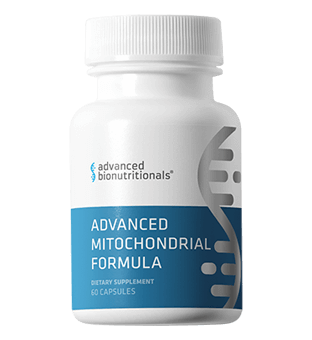
Your mitochondria—the tiny energy factories inside your cells—are essential for vitality, brain function, and overall health. But when they become damaged or weakened, your body’s energy production plummets, leading to fatigue, chronic illness, and accelerated aging.
*This page contains affiliate links. If you click and purchase, I may earn a commission at no extra cost to you.*
In this article, we’ll explore:
- ✔ What causes mitochondrial damage?
- ✔ What diseases are linked to poor mitochondrial function?
- ✔ The best supplements to support and repair mitochondria
What Causes Mitochondrial Damage or Weakness?

Mitochondria can become impaired due to:
1. Oxidative Stress & Free Radicals
- Mitochondria produce energy (ATP) but also generate reactive oxygen species (ROS) as a byproduct.
- When antioxidants can’t neutralize ROS, it leads to mitochondrial DNA damage.
- Contributors: Pollution, processed foods, smoking, excessive alcohol.
2. Nutrient Deficiencies
- Mitochondria need specific vitamins and minerals to function:
- B vitamins (B1, B2, B3, B5, B12)
- Magnesium (required for ATP production)
- CoQ10 (critical for electron transport chain)
- Poor diet or malabsorption (e.g., gut issues) can starve mitochondria.
3. Chronic Inflammation
- Inflammatory cytokines (like TNF-alpha) disrupt mitochondrial function.
- Linked to autoimmune diseases, obesity, and long-term infections.
4. Toxins & Medications
- Heavy metals (mercury, lead) damage mitochondrial membranes.
- Pharmaceuticals (statins, some antibiotics) can impair mitochondrial enzymes.
5. Aging & Genetic Factors
- Mitochondrial DNA lacks strong repair mechanisms, making it vulnerable to mutations.
- Inherited disorders (like MELAS syndrome) directly affect mitochondrial function.
Diseases Linked to Mitochondrial Dysfunction
When mitochondria fail, the body struggles to produce energy, leading to:

🔹 Chronic Fatigue & Brain Fog
- Low ATP = persistent exhaustion, even after sleep.
- Brain cells (neurons) are especially energy-dependent—mitochondrial dysfunction contributes to memory loss and poor concentration.
🔹 Neurodegenerative Diseases
- Alzheimer’s & Parkinson’s – Damaged mitochondria accumulate toxic proteins (amyloid-beta, alpha-synuclein).
- ALS (Lou Gehrig’s disease) – Motor neurons degenerate due to energy failure.
🔹 Metabolic Disorders
- Type 2 Diabetes – Insulin resistance is linked to mitochondrial inefficiency in muscle cells.
- Obesity – Fat cells release inflammatory signals that impair mitochondrial function.
🔹 Heart Disease & Muscle Weakness
- The heart requires massive ATP—mitochondrial dysfunction leads to heart failure.
- Fibromyalgia & ME/CFS – Muscle pain and fatigue stem from poor cellular energy.
🔹 Accelerated Aging
- As mitochondria decline, cells age faster due to:
- Telomere shortening
- Increased oxidative damage
Best Supplements to Support Mitochondrial Health
1. CoQ10 (Ubiquinol) – The Mitochondrial Spark Plug
- Why? Essential for ATP production; declines with age.
- Dose: 100–300 mg/day.
2. PQQ (Pyrroloquinoline Quinone) – Stimulates New Mitochondria
- Why? Helps generate new mitochondria (mitochondrial biogenesis).
- Dose: 10–20 mg/day.
3. Acetyl-L-Carnitine (ALCAR) – Fuel for Mitochondria
- Why? Transports fatty acids into mitochondria for energy.
- Dose: 500–2,000 mg/day.
4. Magnesium – The Energy Mineral
- Why? Required for 300+ enzymatic reactions, including ATP synthesis.
- Dose: 300–500 mg/day (glycinate or malate forms).
5. Alpha-Lipoic Acid (ALA) – Master Antioxidant
- Why? Recycles other antioxidants (like glutathione) to protect mitochondria.
- Dose: 300–600 mg/day.
6. B Vitamins – Critical for Energy Metabolism
- Key Players: B1 (thiamine), B2 (riboflavin), B3 (niacin), B12.
- Best Form: Methylated B-complex (for better absorption).
7. Resveratrol & NMN – Longevity Boosters
- Why? Activates SIRT1 & AMPK pathways, which enhance mitochondrial efficiency.
- Dose: Resveratrol 100–500 mg, NMN 250–1,000 mg/day.
Final Thoughts: Protect Your Mitochondria for Longevity
Mitochondrial damage is at the root of fatigue, chronic disease, and aging. But the good news? You can support your mitochondria with:
- ✔ A nutrient-dense diet (healthy fats, antioxidants, minimal processed foods)
- ✔ Regular exercise (especially HIIT, which boosts mitochondrial biogenesis)
- ✔ Targeted supplements (CoQ10, PQQ, ALCAR, magnesium, etc.)
By taking care of your mitochondria, you’re investing in long-term energy, brain health, and vitality.
What’s your experience with mitochondrial support? Have you tried any of these supplements? Share in the comments!




No comments:
Post a Comment