
Sleep is essential for overall health, yet millions of people struggle with sleep disorders like insomnia, restless nights, and poor sleep quality. If you’re tossing and turning, you’re not alone—and the solution might be simpler than you think. Magnesium, a vital mineral involved in hundreds of biochemical processes, has been shown to play a key role in improving sleep. Let’s explore how magnesium can help you achieve deeper, more restorative sleep.
*This page contains affiliate links. If you click and purchase, I may earn a commission at no extra cost to you.*
What is Magnesium and Why is it Important for Sleep?
Magnesium is an essential mineral that supports numerous bodily functions, including muscle relaxation, nerve signaling, and the regulation of neurotransmitters. It’s also crucial for maintaining healthy levels of GABA, a neurotransmitter that promotes relaxation and sleep. Unfortunately, many people are deficient in magnesium due to poor diet, stress, or certain medical conditions, which can negatively impact sleep quality.
How Magnesium Improves Sleep
Here’s a closer look at the science-backed ways magnesium can help with sleep disorders:
1. Regulates Neurotransmitters
Magnesium helps regulate neurotransmitters, which are chemicals that transmit signals in the brain. One of these neurotransmitters, GABA, is particularly important for sleep. GABA calms the nervous system and helps you relax, making it easier to fall asleep. Low magnesium levels can lead to reduced GABA activity, contributing to insomnia and restlessness.
2. Reduces Stress and Anxiety
Stress and anxiety are common culprits behind sleep disorders. Magnesium helps regulate the body’s stress response by balancing cortisol levels, the hormone responsible for stress. By reducing stress and promoting relaxation, magnesium can create the ideal conditions for restful sleep.
3. Relaxes Muscles
Magnesium acts as a natural muscle relaxant, helping to ease tension and prevent nighttime muscle cramps or spasms that can disrupt sleep. This is especially beneficial for individuals who experience restless leg syndrome (RLS) or general muscle stiffness.
4. Supports Melatonin Production
Melatonin is the hormone that regulates your sleep-wake cycle. Magnesium plays a role in the production and regulation of melatonin, ensuring your body is primed for sleep at the right time. Studies have shown that magnesium supplementation can improve sleep quality by enhancing melatonin levels.
5. Improves Sleep Duration and Quality
Research has demonstrated that magnesium supplementation can increase sleep duration and improve sleep efficiency. In one study, older adults with insomnia who took magnesium supplements experienced significant improvements in sleep time, sleep onset latency (the time it takes to fall asleep), and early morning awakenings.
Signs You Might Be Deficient in Magnesium
If you’re struggling with sleep, it’s worth considering whether you might be deficient in magnesium. Common signs of magnesium deficiency include:
- Difficulty falling or staying asleep
- Frequent nighttime awakenings
- Restless legs or muscle cramps
- Feeling tired even after a full night’s sleep
- High stress or anxiety levels
How to Incorporate Magnesium for Better Sleep
There are several ways to increase your magnesium intake to support better sleep:
- Diet: Include magnesium-rich foods like leafy greens (spinach, kale), nuts and seeds (almonds, pumpkin seeds), whole grains (quinoa, brown rice), and legumes (black beans, chickpeas).
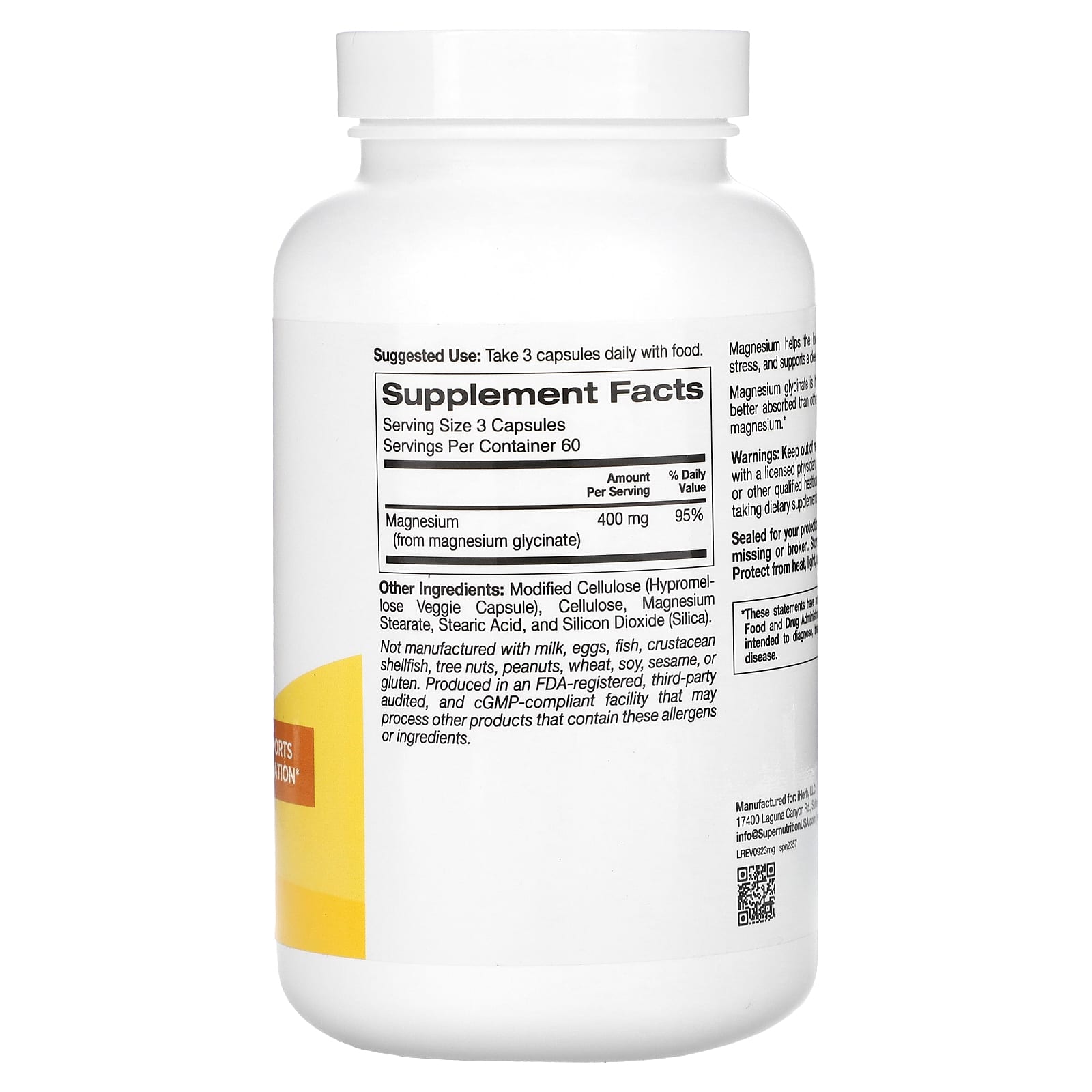
- Supplements: Magnesium glycinate and magnesium citrate are highly bioavailable forms that are particularly effective for sleep.
- Topical Applications: Magnesium oil or Epsom salt baths can help you absorb magnesium through the skin while promoting relaxation.
What the Research Says
Several studies have highlighted the connection between magnesium and improved sleep:
- A 2012 study published in the Journal of Research in Medical Sciences found that magnesium supplementation improved sleep efficiency, sleep time, and early morning awakenings in older adults with insomnia.
- Research in Magnesium Research showed that magnesium supplementation reduced inflammatory markers and improved sleep quality in adults with poor sleep.
Conclusion
If you’re struggling with sleep disorders, magnesium could be the natural solution you’ve been searching for. From regulating neurotransmitters and reducing stress to relaxing muscles and supporting melatonin production, magnesium plays a multifaceted role in promoting restful sleep. By addressing potential deficiencies and incorporating magnesium into your routine, you can take a significant step toward better sleep and improved overall health.
References:
- Abbasi, B., Kimiagar, M., Sadeghniiat, K., Shirazi, M. M., Hedayati, M., & Rashidkhani, B. (2012). The effect of magnesium supplementation on primary insomnia in elderly: A double-blind placebo-controlled clinical trial. Journal of Research in Medical Sciences, 17(12), 1161-1169. https://www.ncbi.nlm.nih.gov/pmc/articles/PMC3703169/
- Nielsen, F. H., Johnson, L. K., & Zeng, H. (2010). Magnesium supplementation improves indicators of low magnesium status and inflammatory stress in adults older than 51 years with poor quality sleep. Magnesium Research, 23(4), 158-168. https://doi.org/10.1684/mrh.2010.0220




No comments:
Post a Comment